

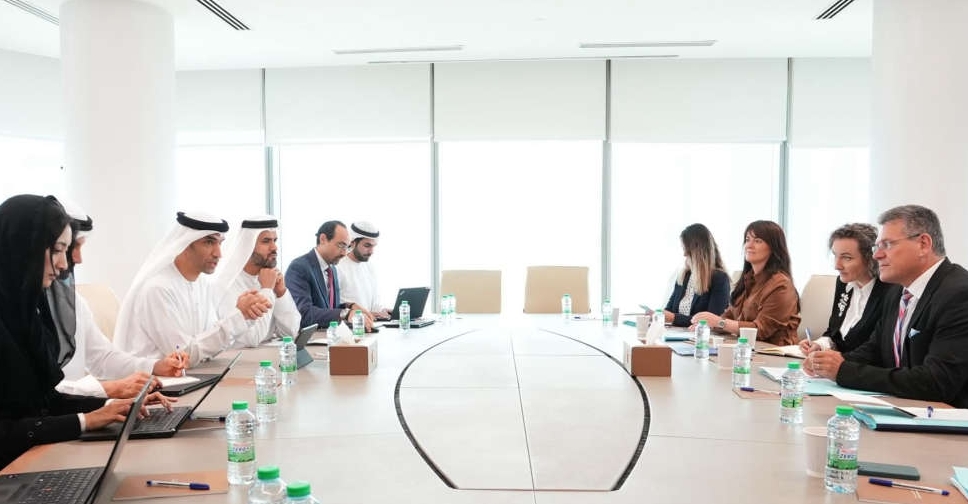
The UAE and European Union have held talks on the Comprehensive Economic Partnership Agreement (CEPA) that will deepen trade ties and open opportunities for investment and innovation.
The proposed UAE-EU CEPA aims to remove trade barriers, enhance market access for goods and services, and create investment in priority sectors.
During the investment roundtable, representatives from the UAE and the European private sectors explored mutual investment opportunities, particularly those aimed at fostering innovation and sustainable development.
Dr. Thani bin Ahmed Al Zeyoudi, UAE Minister of State for Foreign Trade, emphasised the importance of the CEPA with the EU, adding that it "represents an extraordinary opportunity... to enhance trade and investment ties that will foster greater collaboration and create mutual benefits and prosperity".
"By working together, we will strengthen our supply chains, drive innovation, and create jobs that will benefit our communities and economies for many years to come."
Commenting on the negotiations, EU Commissioner for Trade and Economic Security Maroš Šefčovič said: “A bilateral FTA would unlock tremendous business opportunities for European and Emirati businesses alike. Our aim is to reach an ambitious deal — one that brings lasting benefits and commercial predictability.”
The EU currently accounts for 8.3 per cent of the UAE’s non-oil trade, which reached $67.6 billion in 2024 - an increase of 3.6 per cent from the previous year. Foreign direct investment between the two is strong, with recent UAE partnerships spanning data centres in Italy, solar energy in Spain and urban redevelopment in Budapest.
Looking ahead, the CEPA could facilitate further high-impact deals, including a proposed $50 billion AI data centre collaboration with France and a $40 billion investment in Italy’s energy and defence sectors.
The UAE’s CEPA programme is central to its foreign trade strategy, designed to boost economic diversification through open, rules-based trade. In 2024, the initiative contributed to record non-oil trade of $816 billion — a 14.6 per cent year-on-year increase.

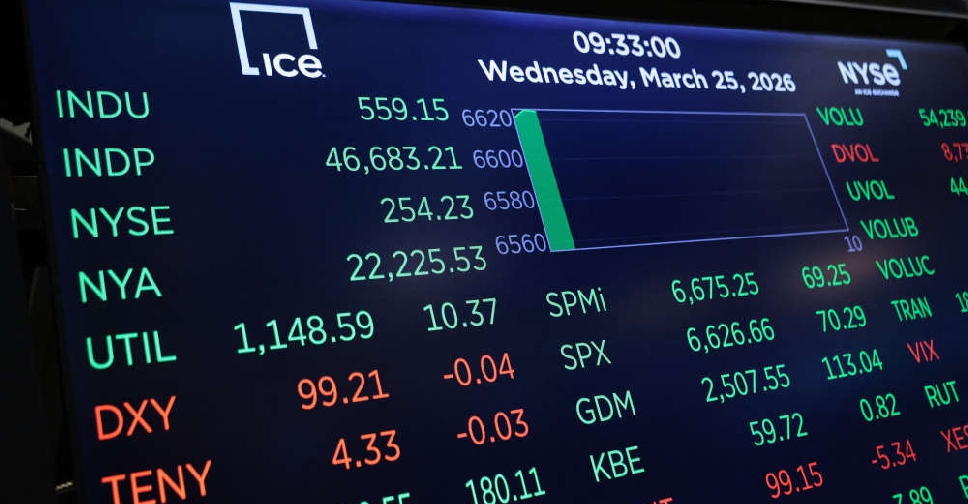 Stocks gain with oil prices easing on optimism from possible ceasefire talks
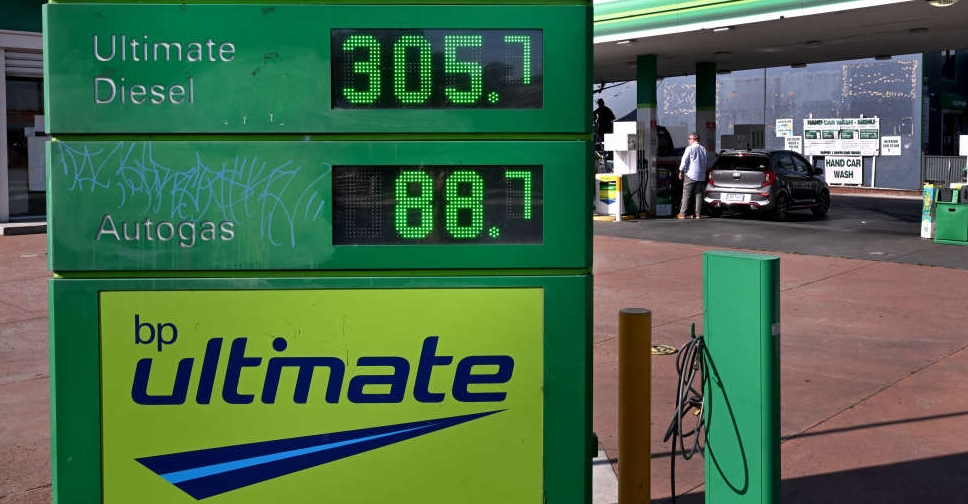 Australia moves to double fines for fuel gouging amid shortages
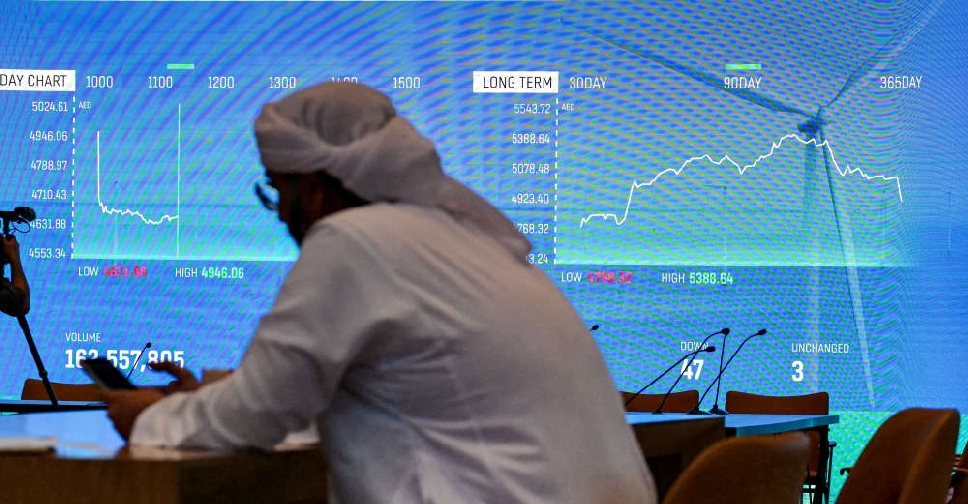 Gulf stocks mixed amid confusion over US-Iran talks
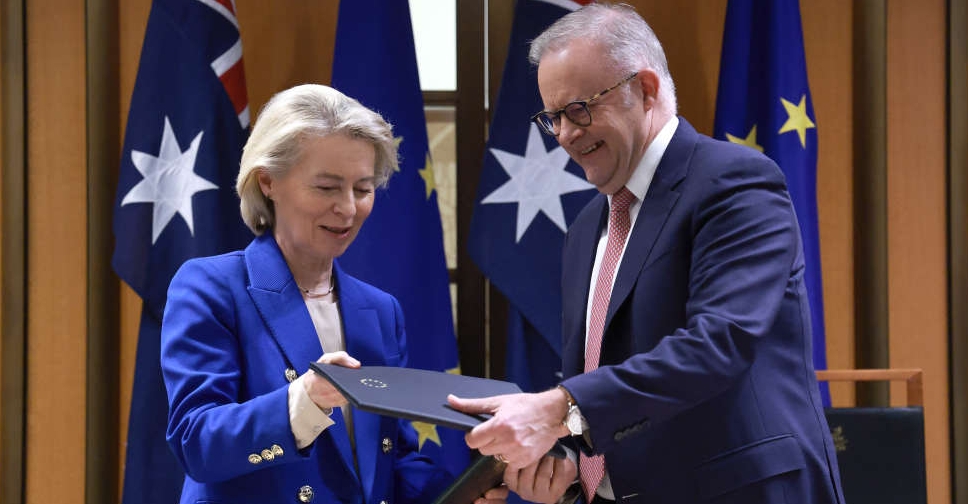 Australia, EU seal long-awaited trade deal
 Weaponising Strait of Hormuz is an act of economic terrorism: Sultan Al Jaber