Ethiopia aims to pass legislation to let foreigners own real estate as part of the country's broader plan to open up the economy and attract investors, Prime Minister Abiy Ahmed said on state TV.
Currently foreigners are barred from owning houses in Ethiopia, either residential or commercial buildings, which is seen as a hurdle to ongoing efforts to attract foreign investment to the Horn of Africa country.
State TV said Abiy told a meeting of large taxpayers in the capital Addis Ababa that his government was finalising a new law to let foreigners own real estate property although he did not say when the legislation would be introduced in parliament.
"We will introduce a law which will allow foreigners to own property," he said, adding that the government also intended to amend existing laws to open up the country's retail sector, which is currently restricted to Ethiopians only.
"It (economy) was closed, but now we will slightly open it. So we want you to be ready as well," he said.
In recent years Abiy's government has been opening up parts of the tightly controlled economy such as telecoms and banking to foreign investment, as part of a plan to boost inflows of foreign capital to drive growth and create jobs for the country of more than 100 million people.
Abu Dhabi’s Department of Municipalities and Transport has issued a package of administrative decisions to strengthen transparency, governance and investor protection across the real estate sector.
Dr. Sultan Ahmed Al Jaber, UAE Minister of Industry and Advanced Technology, ADNOC Managing Director and Group CEO, and Executive Chairman of XRG, has received the 2026 Distinguished Global Leadership Award from the Washington D.C.-based Middle East Institute (MEI).
Dubai has achieved its highest ever ranking in the Global Financial Centres Index (GFCI), climbing to seventh place, underscoring the emirate’s rise as one of the world's most influential financial hubs and its importance in the global financial system.
Global equity markets, including from the U.S., Europe and Asia, rose while oil prices fell on Wednesday, as traders cheered news of ceasefire proposals to de-escalate the ongoing conflict in the Middle East.
Australia's centre-left government has introduced legislation in the parliament to double penalties for fuel price gouging on Wednesday as global supply disruptions due to the Iran war triggered fuel shortages in some rural regions.
Welcome to Pinoy Bulletin, your go-to source for staying informed about important announcements, exciting group activities, community events, and job opportunities!




 Abu Dhabi boosts transparency, governance in real estate sector
 Dr. Sultan Al Jaber dedicates leadership award to UAE President, frontline workers
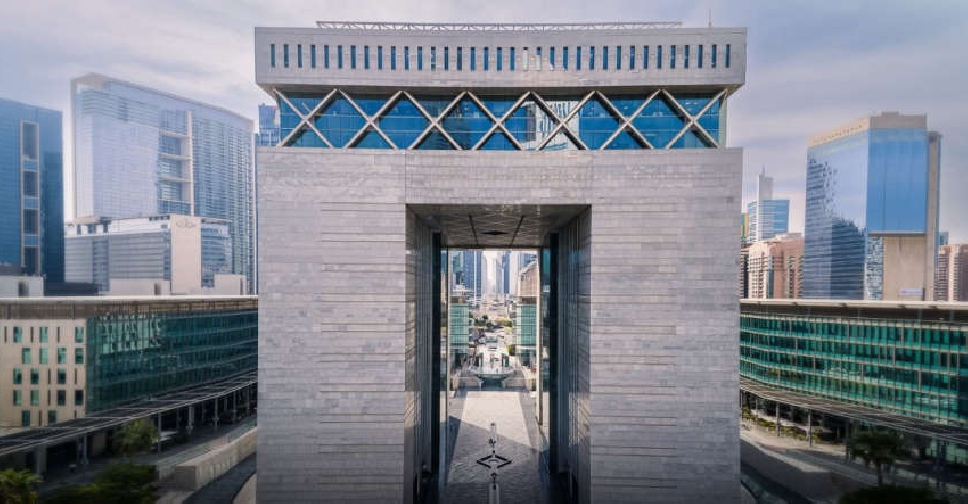 Dubai achieves highest-ever ranking in Global Financial Centres Index
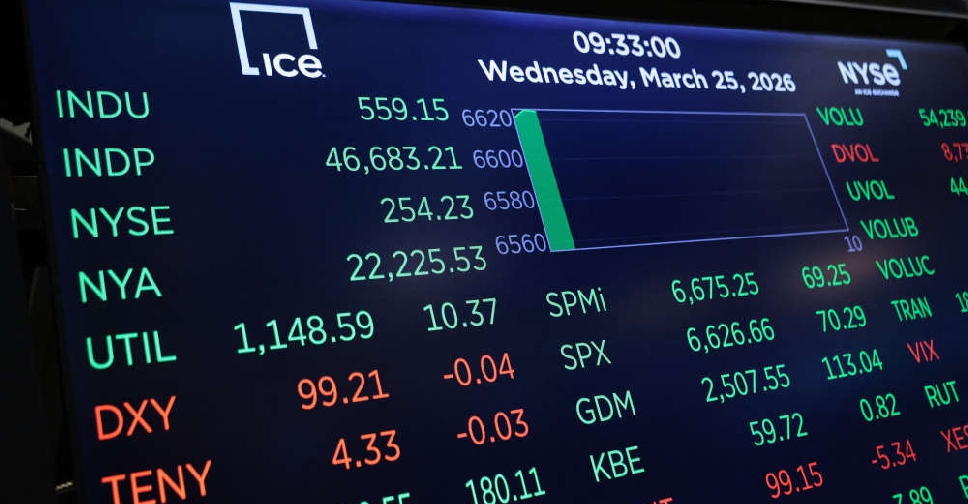 Stocks gain with oil prices easing on optimism from possible ceasefire talks
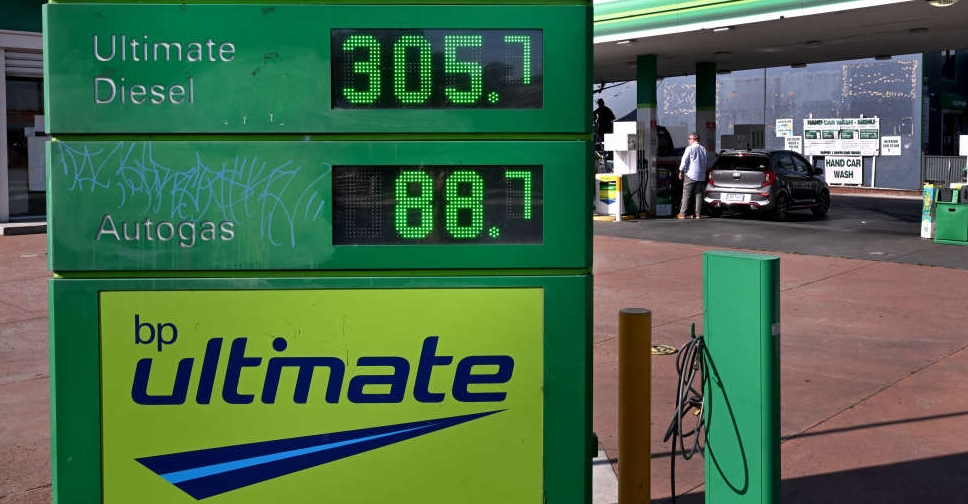 Australia moves to double fines for fuel gouging amid shortages