

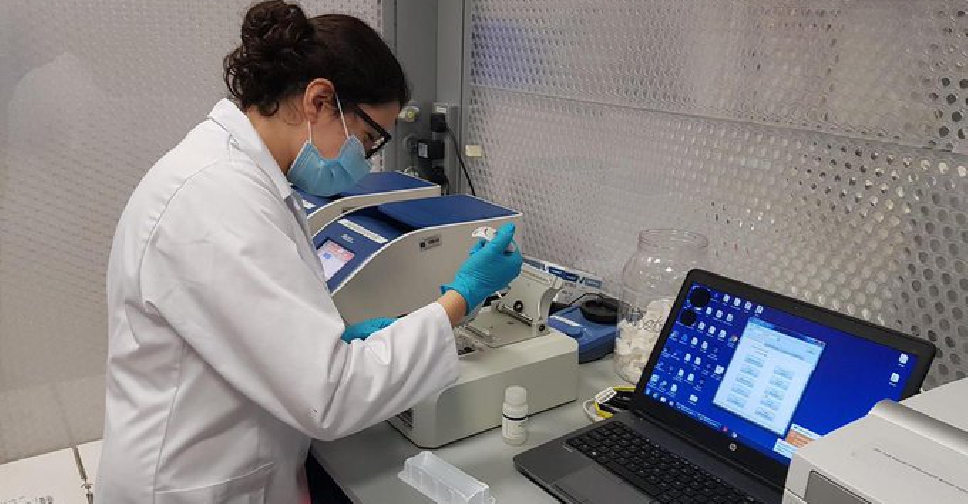
The latest research by New York University Abu Dhabi could significantly, and cost-effectively, improve testing accuracy for COVID-19.
The three-step approach can detect people with the early stages of the virus as well as asymptomatic cases.
The Biology Programme and Centre for Genomics and Systems Biology's method employs a pre-amplification step and microfluidic technology to find low viral loads.
Rather than combining the RT and qPCR reactions, the NYUAD researchers, led by Professor of Biology at NYU and NYUAD Kris Gunsalus and Assistant Professor of Biology at NYUAD Youssef Idaghdour, employed a technique involving sequential RT, cDNA preamplification, and qPCR, using a microfluidics platform.
Researchers say the process will expand accurate detection to saliva testing and help curtail the spread of the virus.
They demonstrated reliable ultra-sensitive and quantitative detection of low SARS-CoV-2 viral loads using synthetic viral RNA, clinical nasopharyngeal swab samples and saliva samples.
These include samples previously diagnosed as negative by clinical diagnostic testing.
Their findings, reported in the journal Processes, are that this microfluidic RT-PCR assay is a sensitive, quantitative, and cost-effective detection strategy.
It could markedly reduce the false-negative rate of clinical diagnostic tests, a potentially valuable tool in coronavirus active screening and early detection programmes.
Dr Idaghdour said, "By adding a pre-amplification step and using microfluidic technology, we have demonstrated that this sensitive detection method can detect low viral loads, which is critical to enabling the most effective public health responses to the COVID-19 pandemic."
"Our three-step approach can significantly reduce the false-negative rate of standard RT-PCR-based diagnostic tests for SARS-CoV2 and other viral infections. This would allow public health officials to more readily identify and trace asymptomatic individuals, enhance the accuracy of air and environmental sampling for SARS-CoV-2, expand accurate detection to saliva testing and help curtail the spread of the virus," he added.


 UAE allocates $8 million to support Chad amid El Nino food crisis
 UAE, Syrian Presidents discuss stronger economic and development ties
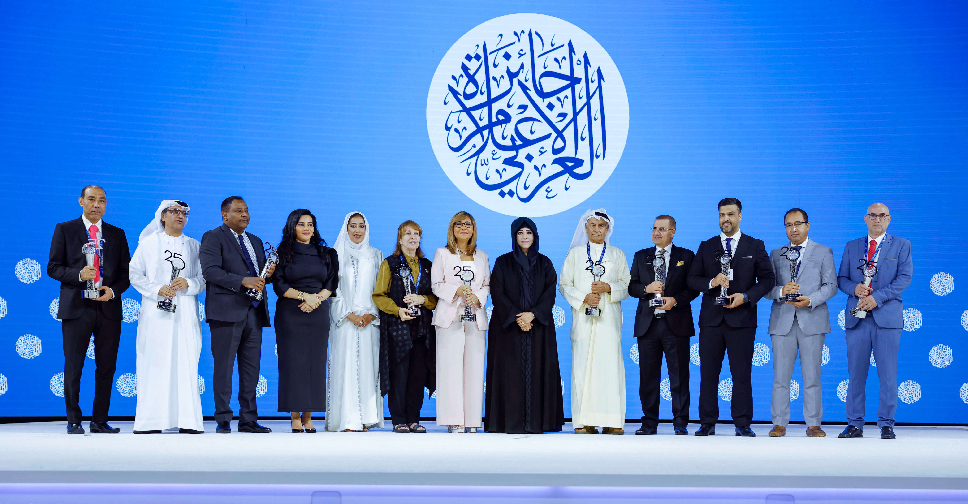 Sheikha Latifa honours Arab Media Award winners
 H.H. Sheikh Mohammed reaffirms 'relations with Syria' during meeting with Al-Sharaa
 Abu Dhabi streamlines holiday home regulatory process
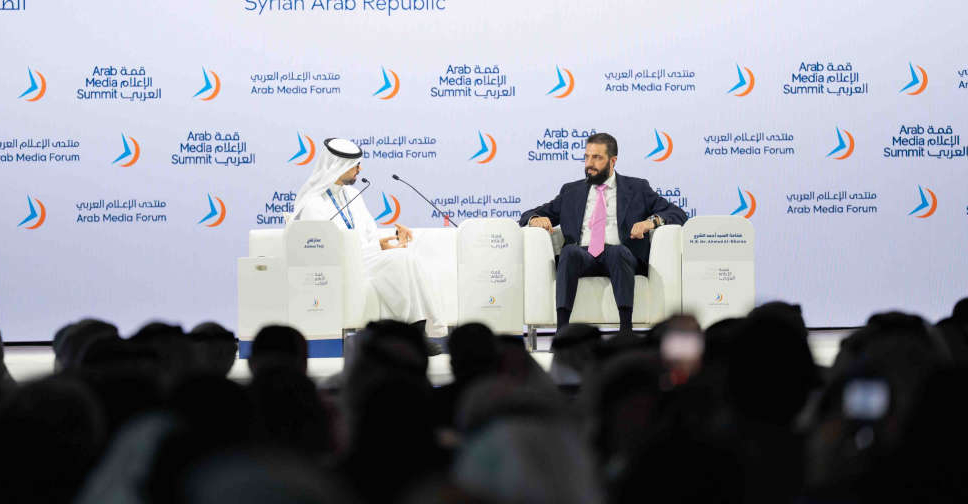 Ahmad Al-Sharaa expresses confidence in Syria's revival at Arab Media Summit
 Sheikh Mansour, President of Angola discuss cooperation in phone call
 UAE holds military funeral for two servicemen martyred during training