
OPEC+ kept oil output unchanged on Sunday, after oil prices fell more than 18 per cent in 2025, their steepest yearly drop since 2020, amid growing oversupply concerns.
"Right now, oil markets are being driven less by supply–demand fundamentals and more by political uncertainty," said Jorge Leon, head of geopolitical analysis at Rystad Energy and a former OPEC official. "And OPEC+ is clearly prioritising stability over action."
The eight OPEC+ members - Saudi Arabia, Russia, the UAE, Kazakhstan, Kuwait, Iraq, Algeria and Oman - raised oil output targets by around 2.9 million barrels per day in 2025, equal to almost 3 per cent of world oil demand, to regain market share.
The eight members agreed in November to pause output hikes for January, February and March due to relatively low demand in the northern hemisphere winter. Sunday's brief online meeting affirmed that policy and did not discuss Venezuela, one OPEC+ delegate said.
The eight countries will next meet on February 1, OPEC+ said.

 Indian state shuts some Domino's, Pizza Hut outlets, citing hygiene lapses
 ADNOC's XRG advances global gas strategy with Venezuela entry
 Iger, Kushner purchasing Lakers for record $12.5 billion
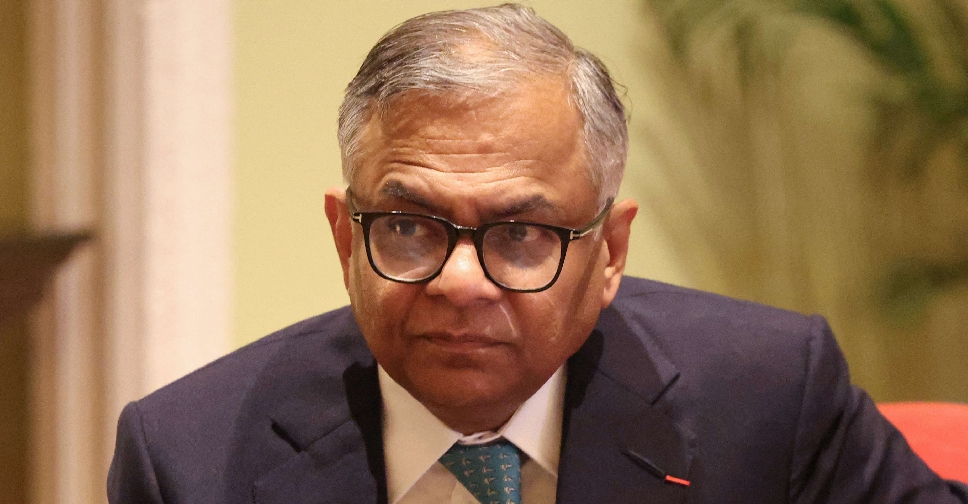 Chair of India's Tata to step down after tension with controlling charity
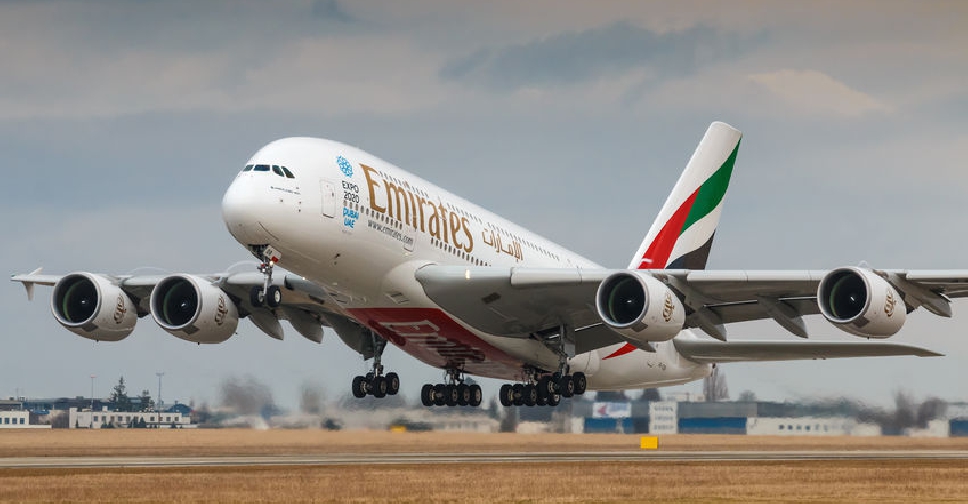 Emirates offers flyers to Dubai unlimited free date changes