

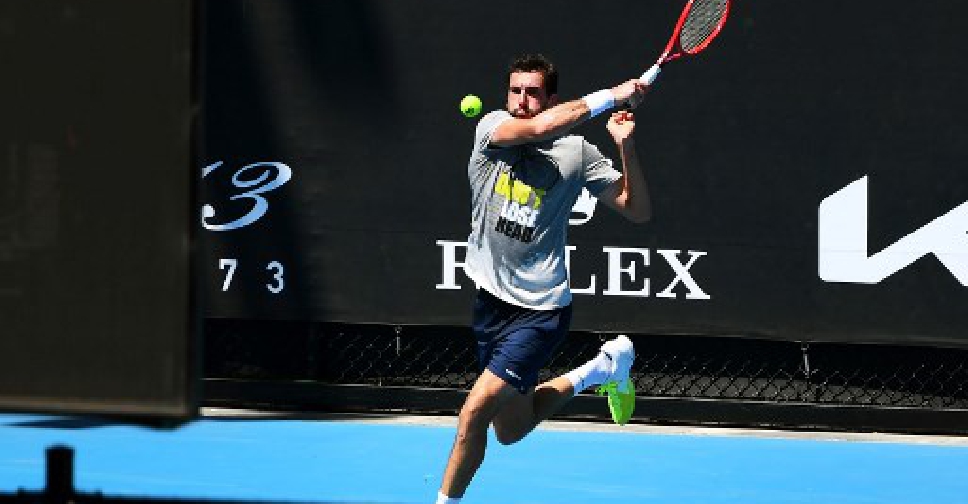
The Australian Open has long been the jewel in Melbourne's sporting crown but residents with bitter memories of COVID-19 lockdowns fear the Grand Slam could yet prove a poisoned chalice.
As the country nears two weeks without a case of community transmission, Tennis Australia spent some A$40 million ($30.58 million) flying in 1,200 players and personnel from around the world and putting them through two weeks of hotel quarantine.
Unlike at last year's French and US Opens, where the focus was on minimizing the risk of infection to the players, the measures in place for the Australian Open are to protect locals who paid dearly for the freedoms they currently enjoy.
"I think it's horrible they're putting the Australian Open on," said Liam Janke, a chef in Melbourne's CBD, as he took a cigarette break during his shift on Friday.
"It's such a massive risk. It's like they don't even remember what happened here last year."
Melbourne was the epicentre of Australia's largest second wave outbreak, which sprung from returned travellers infecting staff in hotel quarantine.
The outbreak in mid-2020 ended up costing nearly 800 lives and ruined countless livelihoods as some five million people endured one of the world's strictest lockdowns for nearly four months.
With the virus now under control, Melbourne has regained most of its pre-COVID freedoms and Australia is being held up by other nations as a model for how to contain it.
Yet many Melbourne residents remain cautious about gathering in large numbers and news of a slew of positive tests among the quarantined Australian Open cohort rekindled fears about the potential for another outbreak.


 Zverev brushes aside Darderi to reach US Open quarter-finals
 Gauff downs fellow American Jovic to reach US Open last eight
 Liam Lawson to replace injured Isack Hadjar again in Madrid
 Rybakina thumps Osaka to reach US Open quarters, close in on top ranking
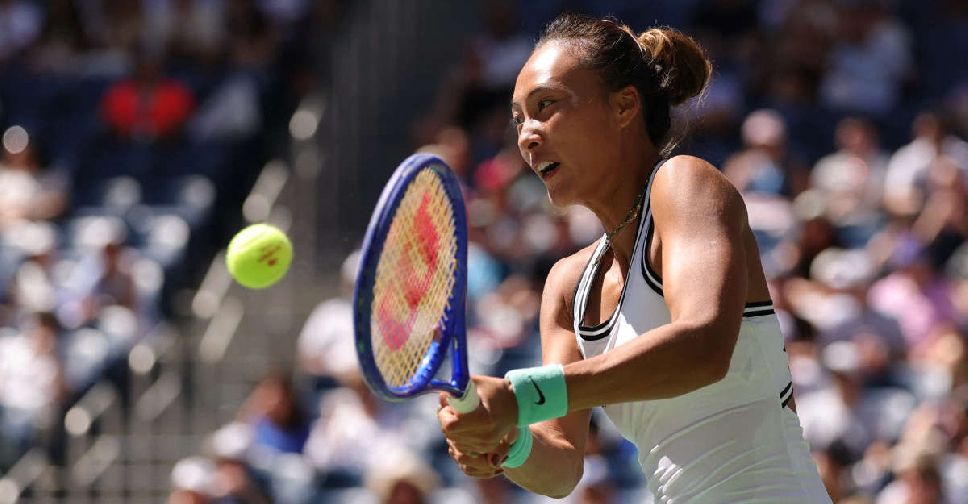 Zheng stuns Swiatek at US Open as Andreeva extends winning run