


Dubai Courts has announced the establishment of an inheritance department for non-Muslims which aims to enable non-Muslims to execute wills within a proper legislative framework, guaranteeing the application of their own laws.
Judge Mohammed Jassim Al Shamsi, Head of The Special Court of Inheritance in Dubai, says the establishment of the department will streamline and speed up procedures for individuals.
Al Shamsi explained that the non-Muslim Inheritance Department specialises in regulating non-Muslim inheritance cases based on specific terms and conditions.
To open an inheritance file, applicants must provide a set of documents, depending on their specific request and the available documentation. In the first case, the documents must include a legal notice, an inventory of inheritance, a legal document, or an official document specifying the heirs and their shares.
In the second case, applicants should submit an official document proving the existence of a will issued by Dubai Courts or any other courts within UAE, excluding the Dubai International Financial Centre courts. In the third case, if none of the above documents are available, a judicial ruling proving the death of the deceased and identifying the heirs must be provided.
Al Shamsi also mentioned that if the ruling is issued outside the UAE, the file can only be opened after ensuring that the ruling is attested by the Embassy of the UAE - Ministry of Foreign Affairs.


 Dubai Police reunites missing 6-year-old with family in 30 minutes
 UAE's Shakhboot bin Nahyan holds talks with Lesotho's Minister of Foreign Affairs
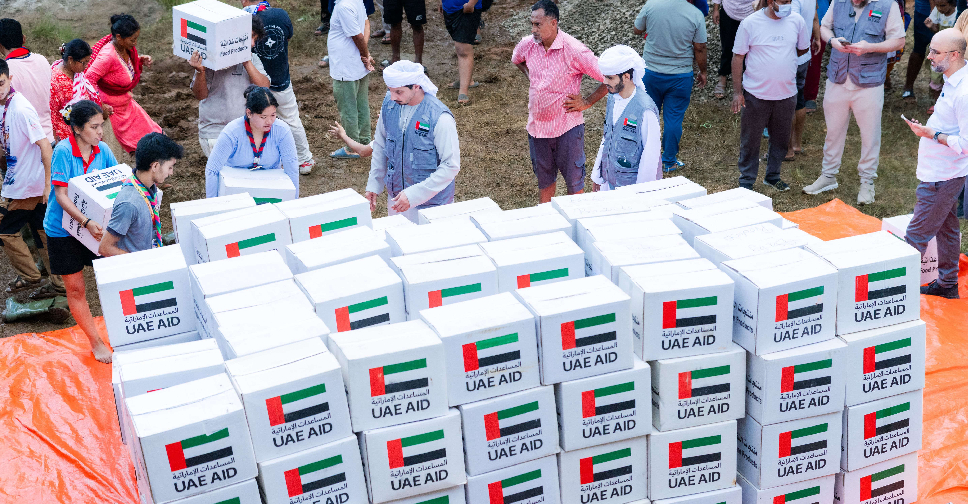 UAE steps up relief efforts for flood, landslide victims in Nepal
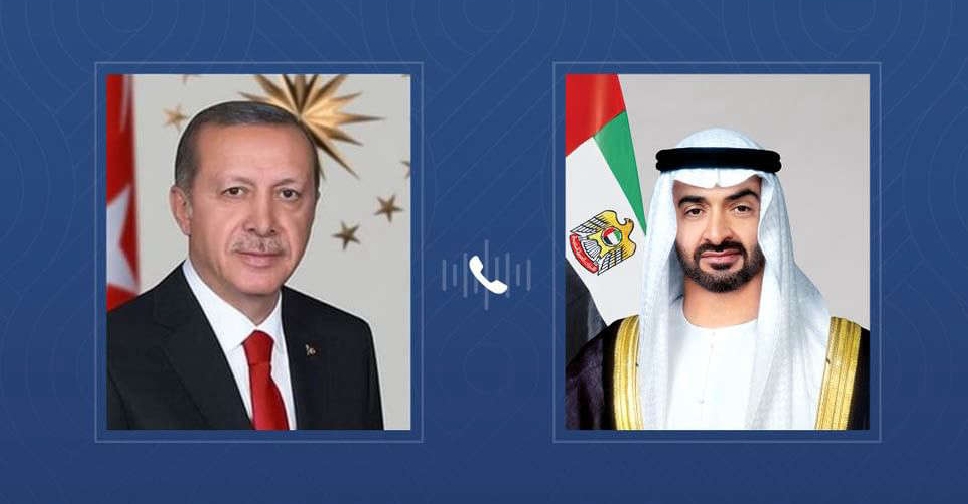 UAE, Turkey Presidents review regional developments
 Dubai Police reintegration programme delivers sharp drop in youth misconduct
 UAE President pardons Abdul Rahman Yusuf Al-Qaradawi
 UAE President congratulates Italian PM on longest-serving government
 UAE relief mission departs for flood-hit Nepal