

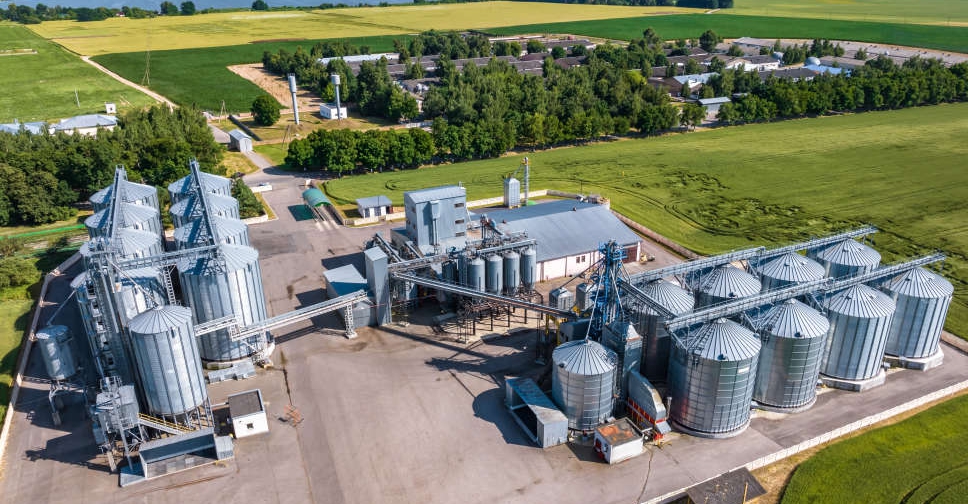
The United Nations launched a plan at COP28 on Sunday that looks to transform the world’s agrifood systems from a net emitter to a carbon sink by 2050.
The UN Food and Agriculture Organisation (FAO) identified 10 priority areas – such as livestock, soil and water, crops, diets and fisheries – where following the roadmap can help push the world closer to achieving "Zero Hunger", the second of the 17 Sustainable Development Goals (SDGs).
The aim is to transform agrifood systems – which encompass how food is farmed or raised, how it is transported, and how and where it's disposed of – to capture 1.5 gigatons of greenhouse gas emissions annually by 2050.
David Laborde, Director of the Agrifood Economics Division at FAO, who said that the roadmap is designed to avoid “doomism” and provides avenues to act today in a way that can benefit all now and in the future.
“We need policymakers to act. We need the civil society to be mobilised and the private sector to understand that making better choices today means making investments more sustainable and more profitable for tomorrow.”
Laborde stressed that the end goal is to achieve “a system transformation where everyone has to play a role”.
#COP28: UN launches ground-breaking plan to transform world’s agrifood systems#WamNews https://t.co/krL1Fp2NoW pic.twitter.com/DAIdcckrOH
— WAM English (@WAMNEWS_ENG) December 10, 2023


 UAE expresses solidarity with Greece over death of two pilots in plane crash
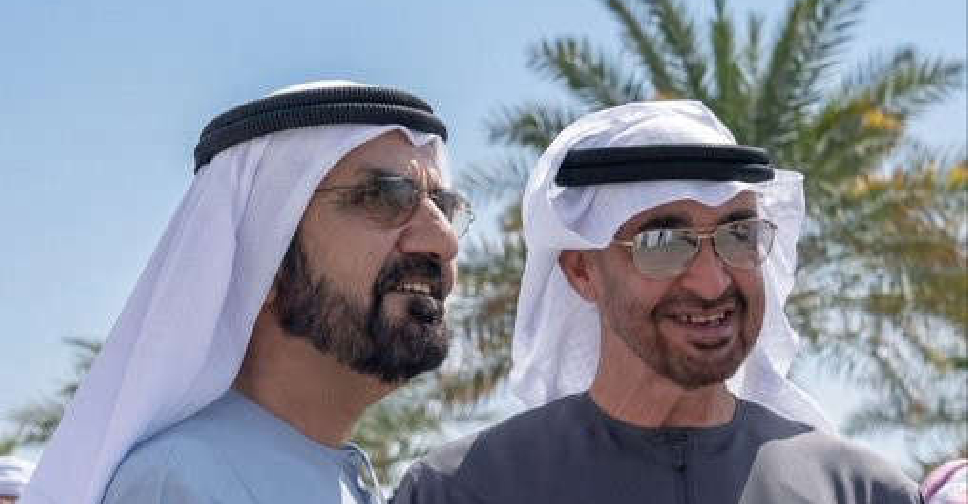 H.H. Sheikh Mohammed pays tribute to UAE President in personal message
 UAE joins 7 other countries in rejecting displacement of Palestinians from Gaza
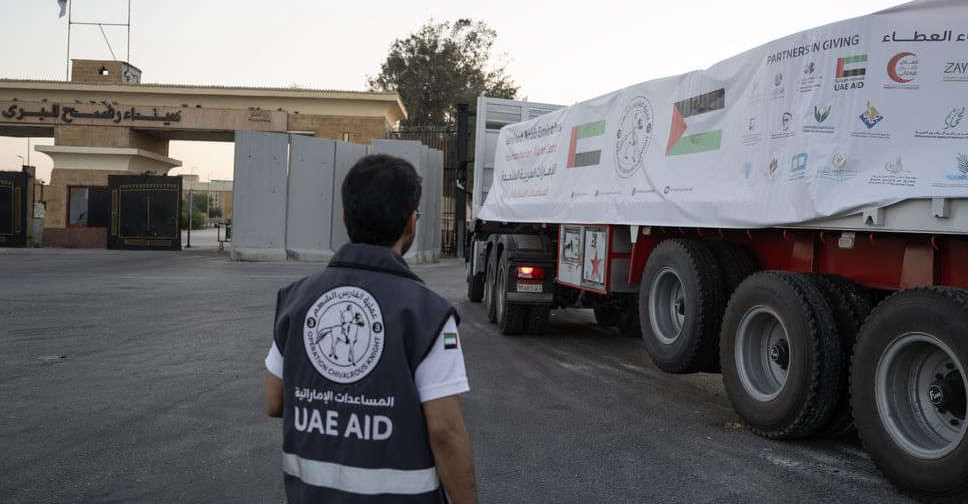 Five UAE aid convoys enter Gaza carrying 533 tonnes of supplies
 UAE search and rescue team begins field operations in flood-hit Nepal
 Dubai Police completes 104 technology projects in a year
 UAE leaders meet with King of Bahrain to discuss regional issues
 New RTA development at Al Qiyadah Intersection cuts traffic by 15 per cent