

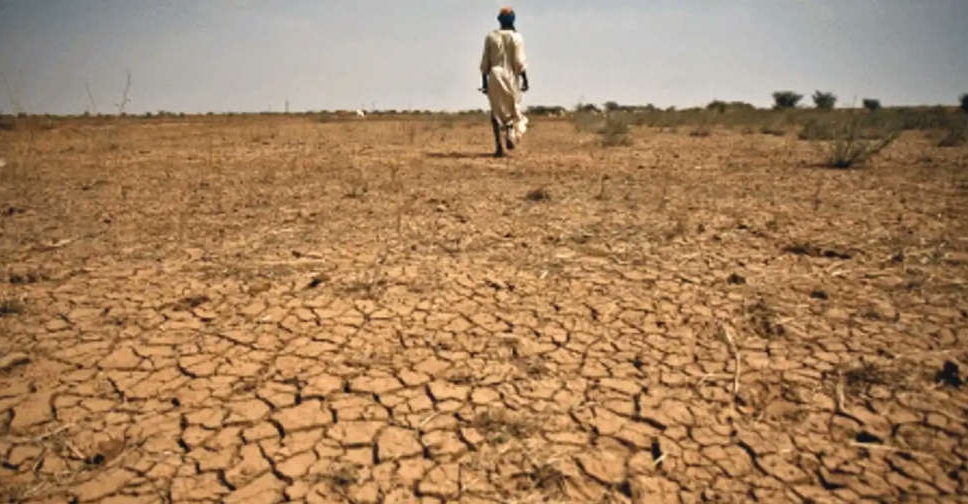
President Emmerson Mnangagwa on Wednesday declared Zimbabwe's drought a national disaster and said the country needed more than $2 billion in aid to feed millions facing hunger.
Mnangagwa's statement follows similar announcements by Zambia in late February and Malawi in March, as drought induced by the El Nino global weather pattern triggers a humanitarian crisis in southern Africa.
More than 2.7 million people in Zimbabwe will go hungry this year, Mnangagwa told journalists at the state house in Harare, adding that 80% of the country had received poor rains.
"Preliminary assessments show that Zimbabwe requires in excess of $2 billion towards various interventions we envisage in our national response," Mnangagwa said.
He said the government would prioritise winter cropping to boost reserves, and work with the private sector to import grains.
El Nino is a naturally occurring weather phenomenon associated with a disruption of wind patterns that means warmer ocean surface temperatures in the eastern and central Pacific.
Most provinces in Zimbabwe have experienced crop failure since November, with hotter areas declaring grains such as maize a write-off.
Humanitarian agencies including the World Food Programme, which fed 270,000 people between January and March in four districts, have described the hunger situation as "dire", calling on donors to provide more aid.
The drought in southern Africa has reached crisis levels with Botswana and Angola to the west, and Mozambique and Madagascar to the east also facing hunger.

 US peace envoys meet Zelenskyy in Kyiv after Putin talks
 US targets three Iranian oil vessels after attack on Navy ships
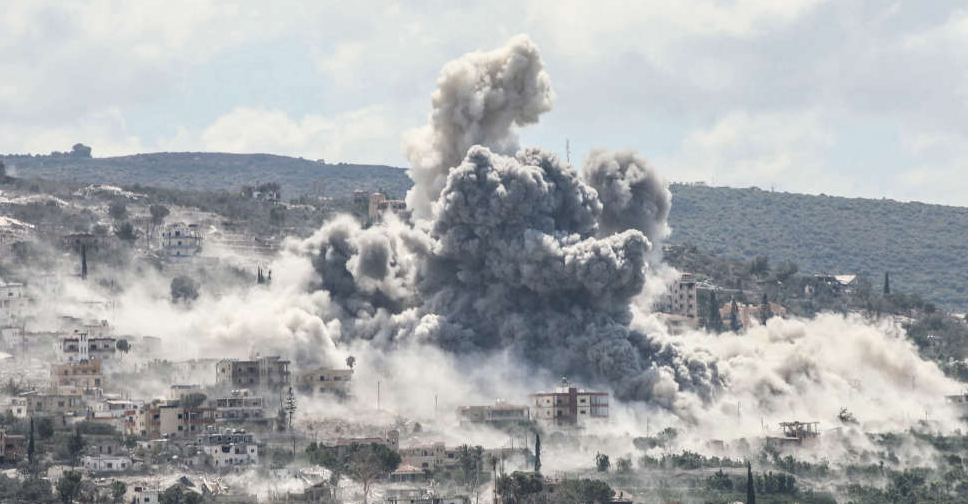 Israeli strikes kill seven in southern Lebanon
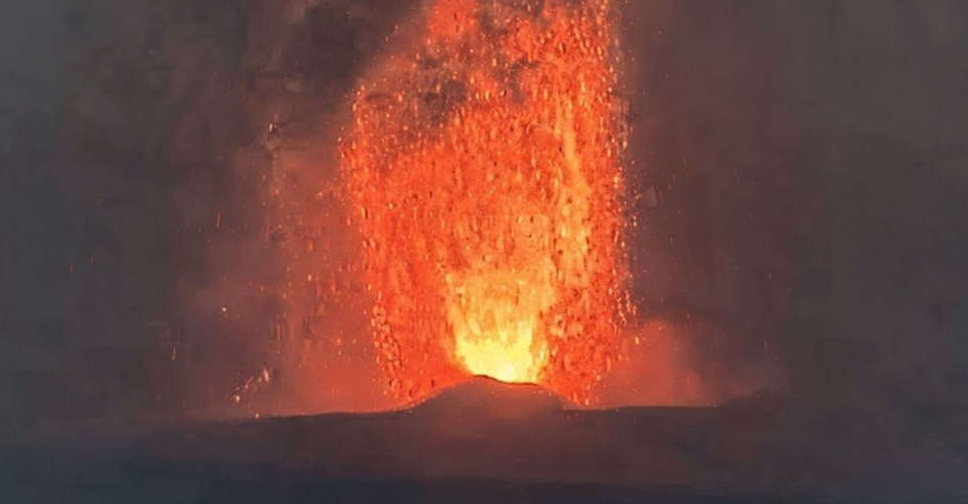 Indonesia's Anak Krakatau eruption halts flights, schools, fishing
 Putin says US-Russia contacts beneficial as talks begin with Witkoff and Kushner
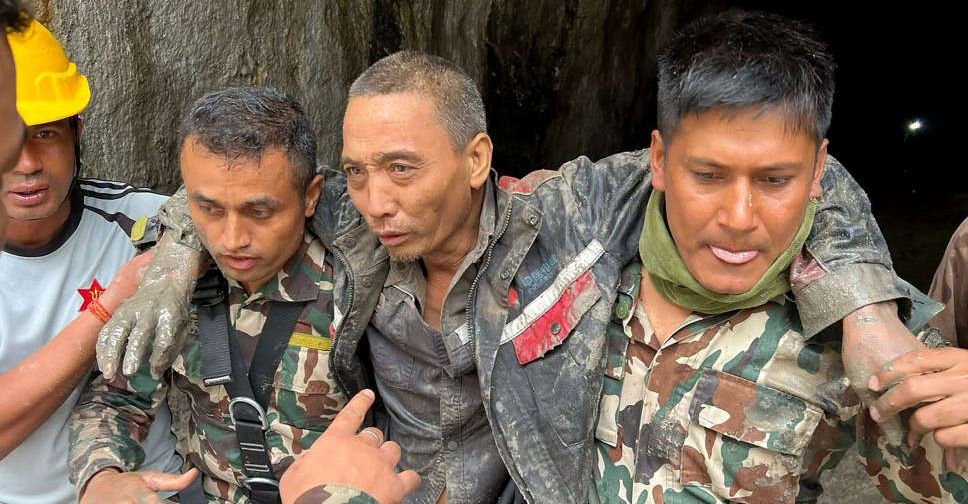 Chinese national rescued from Nepal tunnel 10 days after flash flood
 US envoys Witkoff, Kushner arrive in Moscow for talks on peace in Ukraine
 One dead, 11 people missing after mudslide in China's Jiangxi province