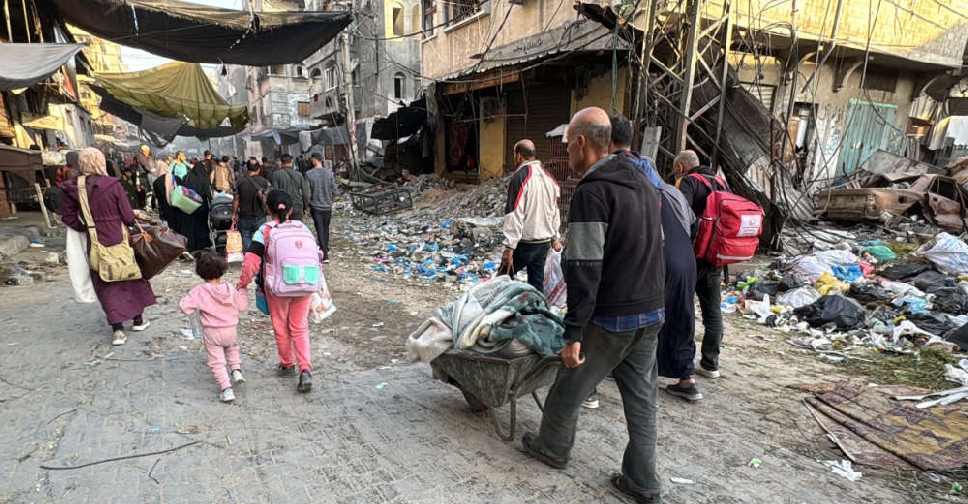
The war between Israel and Hamas has devastated the Palestinian economy and left nearly all of Gaza's population in poverty, with quality of life indicators such as health and education knocked back 70 years, the United Nations' development agency said on Tuesday.
Launching a study on the war's socioeconomic impacts, the UNDP's Chitose Noguchi said the economy of the Palestinian territories - the Gaza Strip and the Israeli-occupied West Bank - was now 35% smaller than it was at the start of Israel's invasion of Gaza a year ago.
By some measures the poverty level in Gaza was now approaching 100% as a result of the disruption, with unemployment now at 80%, Noguchi said.
"The state of Palestine is experiencing unprecedented levels of setbacks," she told a UN press conference in Geneva over a sometimes crackling line from Deir Al-Balah. "For Gaza, reversing development by an estimated 70 years to 1955."
Even under optimal conditions, with international aid remaining at current levels and flowing into Gaza and the West Bank unhindered, it would still take at least a decade for economic output to recover to pre-war levels, she said.
The war, launched by Israel after attacks by Hamas on Israeli territory on October 7 last year that killed about 1,200 people, has brought immense destruction to the Gaza Strip.
Schools, hospitals and other essential infrastructure have been razed to the ground. Nearly 43,000 Palestinians have been killed in Gaza, according to health ministry figures.
Some 3.3 million Palestinians, 2.3 million of them in Gaza and 1.5 million of them children, need urgent humanitarian assistance, the report said.
The cost of repairing damaged infrastructure was expected to run to $18.5 billion, almost the entire annual economic output of the Palestinian territories in 2022.
The war had taken a similarly severe toll on human capital, the report added, with 625,000 students in Gaza having no access to education at the end of September and 93% of school buildings severely damaged.
The situation was similar with regard to healthcare. A total of 986 health workers had been killed by the end of September, and less than half of primary healthcare centres were even partially functional.

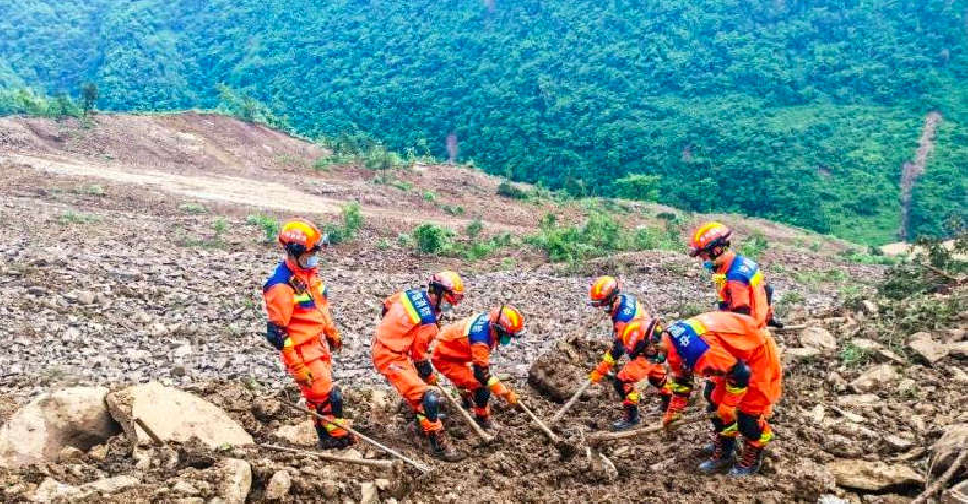 One dead, 11 people missing after mudslide in China's Jiangxi province
 Philippine VP Duterte posts bail after arrest order for alleged grave threats
 Lindsay Clancy trial over killing her children ends in mistrial
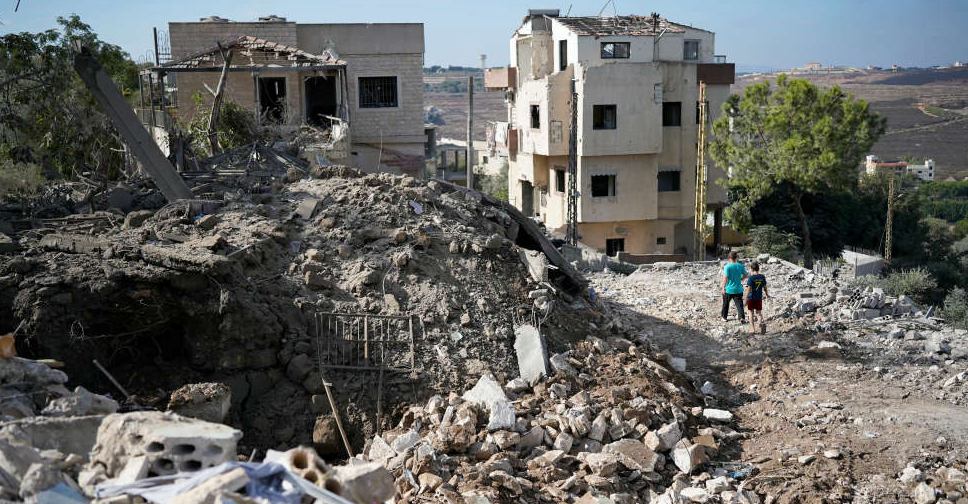 Israel says it strikes southern Lebanon after Hezbollah drone launch
 Sydney sweats in spring hot spell, faces 'extreme' bushfire risk
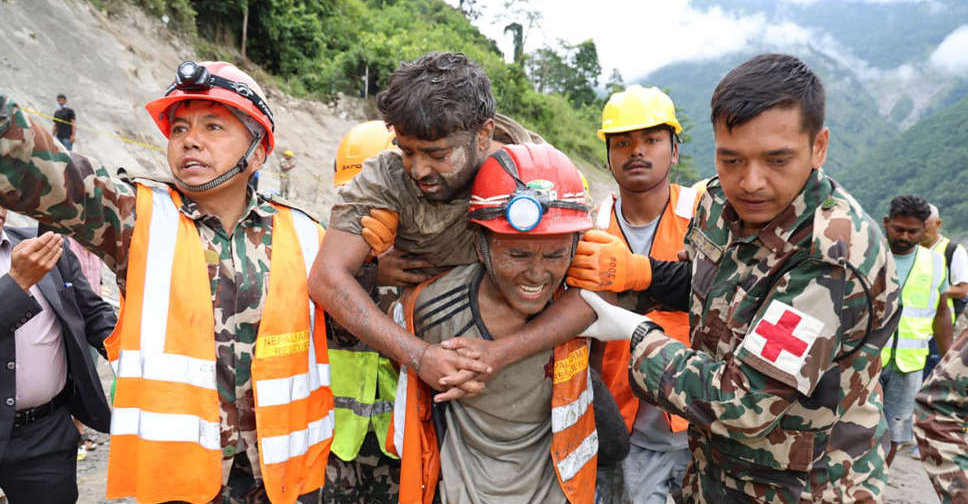 Nine days after disaster, two pulled alive from Nepal hydropower tunnel
 Germany launches manhunt after spate of sabotage attacks on power grid
 Air India sack Phuket-Delhi pilot who failed drug test