

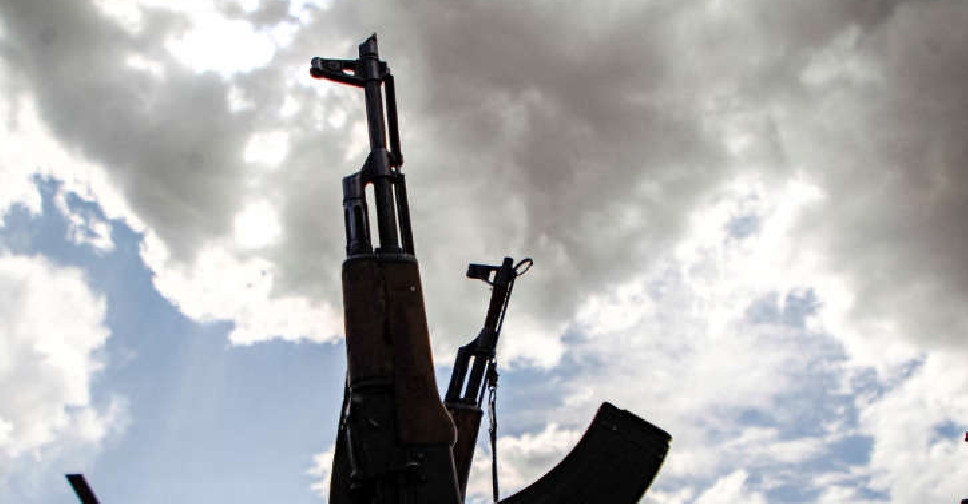
The Trump administration moved forward with the sale of more than 20,000 US-made assault rifles to Israel last month, according to a document seen by Reuters, pushing ahead with a sale that the administration of former president Joe Biden had delayed.
The State Department sent a notification to Congress on March 6 for the $24 million (AED 88 million) sale, saying the end user would be the Israeli National Police, according to the document.
The rifle sale is a small transaction next to the billions of dollars worth of weapons that Washington supplies to Israel. But it drew attention when the Biden administration delayed the sale over concerns that the weapons could end up in the hands of Israeli settlers, some of whom have carried out attacks on Palestinians in the Israeli-occupied West Bank.
The Biden administration has imposed sanctions on individuals and entities accused of committing violence in the Israeli-occupied West Bank, which has seen a rise in settler attacks on Palestinians.
On his first day in office on January 20, Trump issued an executive order rescinding US sanctions on Israeli settlers in a reversal of US policy. Since then, his administration has approved the sale of billions of dollars worth of weapons to Israel.
The March 6 congressional notification said the US government had taken into account "political, military, economic, human rights, and arms control considerations."
The State Department did not respond to a request for comment when asked if the administration sought assurances from Israel on the use of the weapons.

 Nine days after disaster, two pulled alive from Nepal hydropower tunnel
 Germany launches manhunt after spate of sabotage attacks on power grid
 Air India sack Phuket-Delhi pilot who failed drug test
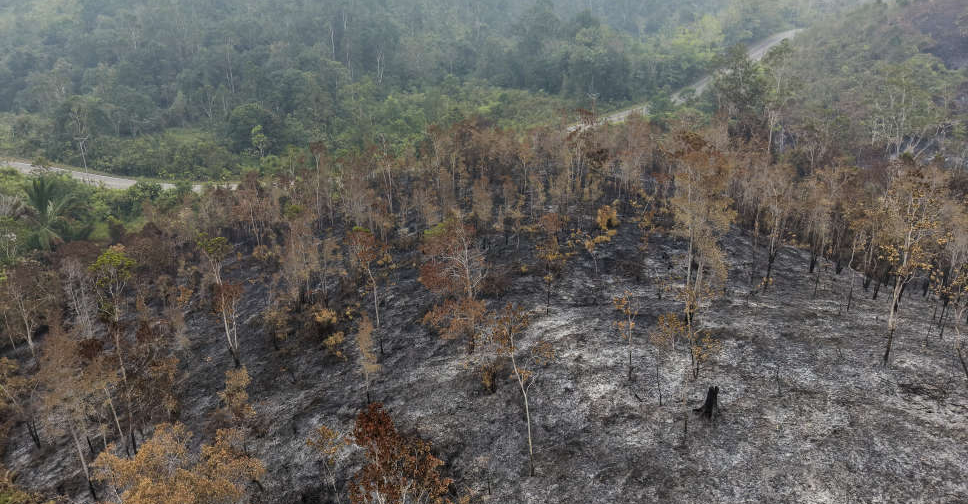 Wildfires spread near Indonesia's new capital, prompting calls for action
 Philippine court issues warrant for VP Duterte's arrest in grave threats case
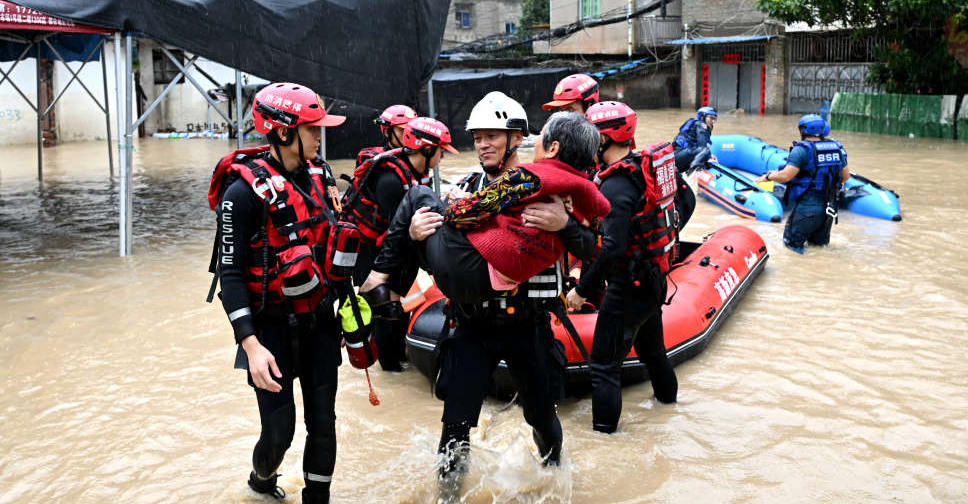 Typhoon Saudel brings torrential rain, flooding to China's coastal areas
 US investigates deadly strike on Iranian wedding
 India food safety crackdown targets company of Nepal's 'Noodle King'