

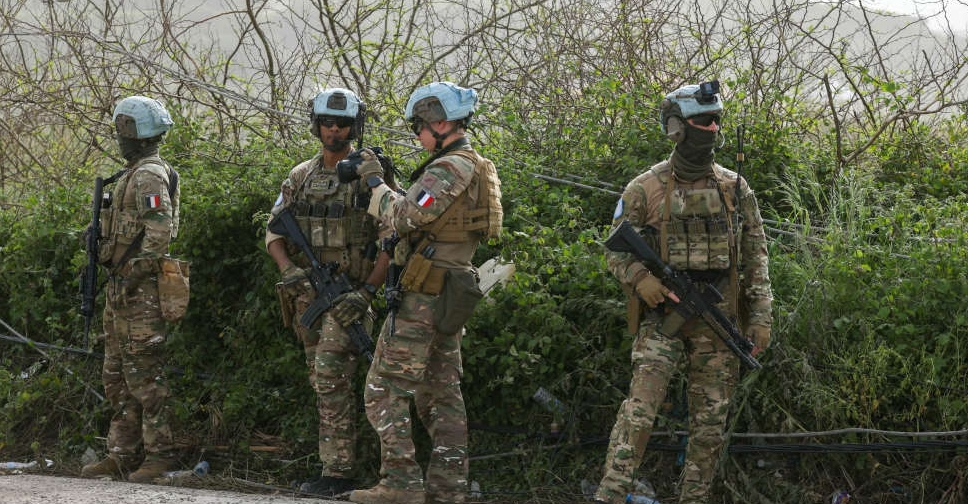
A French soldier was killed and three others wounded while clearing a road in southern Lebanon in an attack that UNIFIL peacekeepers and French officials said on Saturday was likely carried out by Hezbollah.
In calls with Lebanese President Joseph Aoun and Prime Minister Nawaf Salam, French President Emmanuel Macron condemned the "unacceptable attack", his office said in a statement.
Three other members of the United Nations' UNIFIL peacekeeping mission were injured, UNIFIL said, two of them seriously.
UNIFIL said initial assessments indicated the fire came from non-state actors, allegedly Hezbollah, and that an investigation had been launched into what it called "a deliberate attack."
This morning, a UNIFIL patrol clearing explosive ordnance along a road in the village of Ghanduriyah to re-establish links with isolated UNIFIL positions came under small-arms fire from non-state-actors.
— UNIFIL (@UNIFIL_) April 18, 2026
Macron also said the evidence so far pointed to the Hezbollah and urged Lebanese authorities to act against those responsible.
Hezbollah denied any involvement in the attack, expressing its "surprise at positions that rushed to make baseless accusations" against the group.
French armed forces minister Catherine Vautrin said the patrol was ambushed while on a mission to open a route to a UNIFIL post that had been isolated by fighting in the area.
The soldier was killed by direct small-arms fire, she said. UNIFIL said the attack occurred in the southern Lebanese village of Ghandouriyeh.
Lebanon's army condemned the shooting and said it had opened an investigation. President Aoun offered condolences and ordered an immediate probe, while Prime Minister Salam also condemned the attack.
UNIFIL was first deployed in 1978 and has remained through successive conflicts, including a 2024 war during which its positions came under repeated fire.
ISRAELI MILITARY KILLS FIGHTERS IN THE SOUTH
Separately, the Israeli military said on Saturday it had killed members of a "terrorist cell" that violated a US-brokered ceasefire and approached its soldiers in southern Lebanon.
It said it was authorised to take necessary self-defence measures against "threats," adding that such actions are not restricted by the ceasefire.
The Israeli military later said a soldier who was wounded in southern Lebanon on Friday had died of his wounds.
It gave no details of the incident, which it did not describe as a violation of the ceasefire. Israel's Army Radio military correspondent reported that an initial inquiry found he had been wounded by an explosive device that was likely to have been planted before the ceasefire.
Israel and Lebanon agreed a "cessation of hostilities" on April 16 at 2100 GMT for an initial period of 10 days to enable peace negotiations between the two countries, according to a text of the deal released by the US State Department.
The deal does not require Israel to withdraw from southern Lebanon, where Israeli troops have been destroying villages and infrastructure after ordering residents south of the Litani River to flee. The area makes up about 8 per cent of Lebanese territory.

 Some UK departing flights disrupted by NATS technical issue
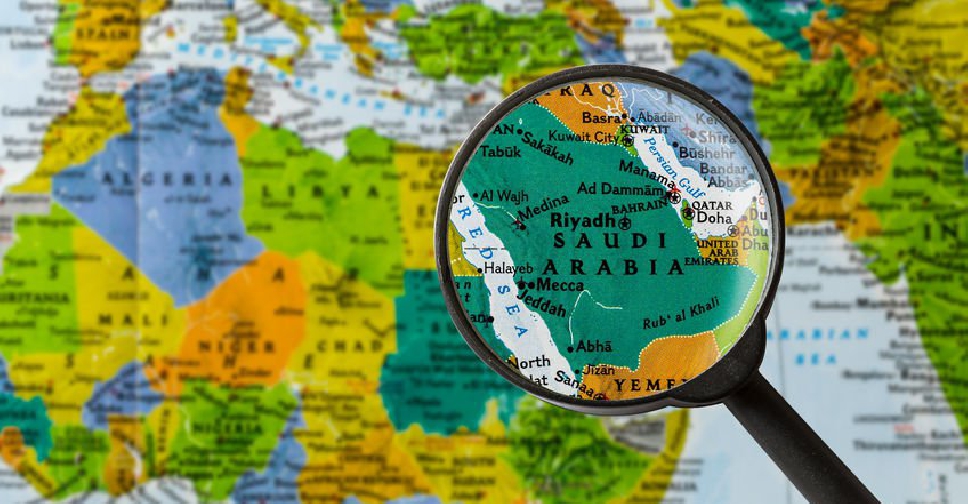 At least 73 injured after Houthi rebels attack Saudi civilian and energy facilities
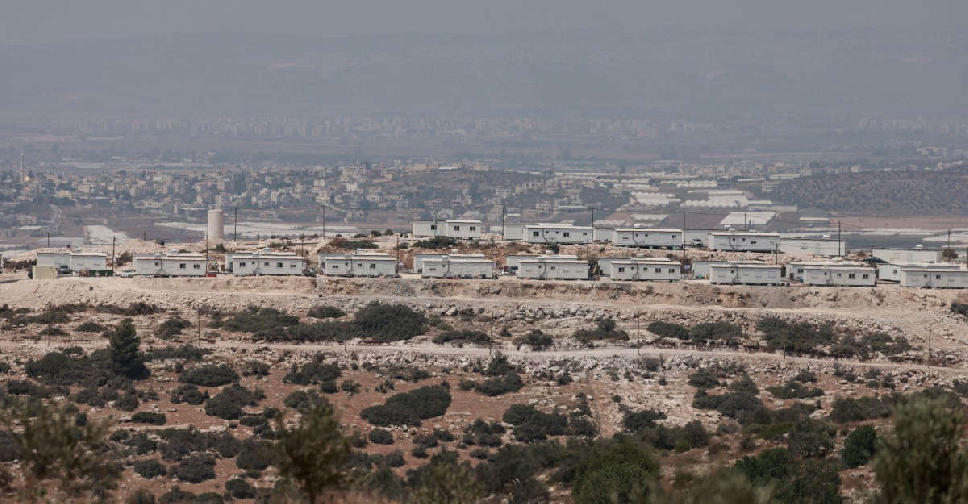 UK, France and Canada sanction Israeli West Bank settlements
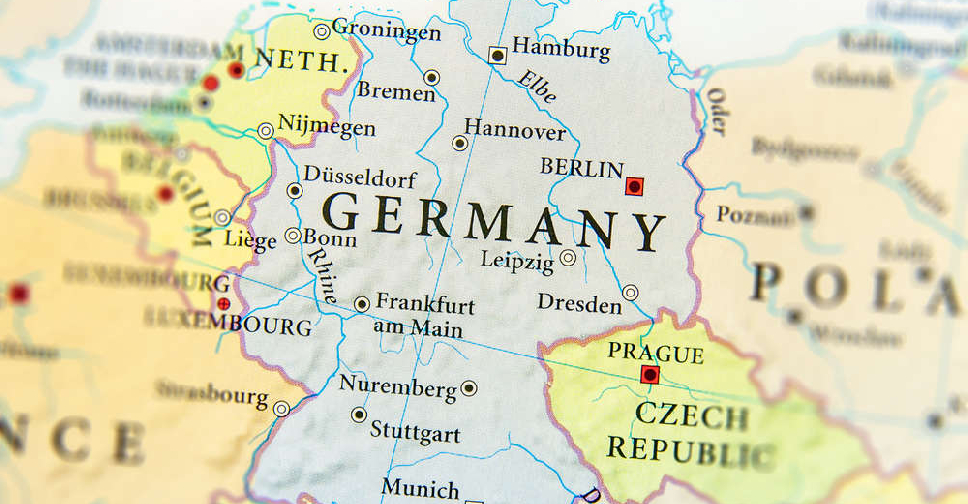 Suspect detained after sabotage attacks on Germany power grid
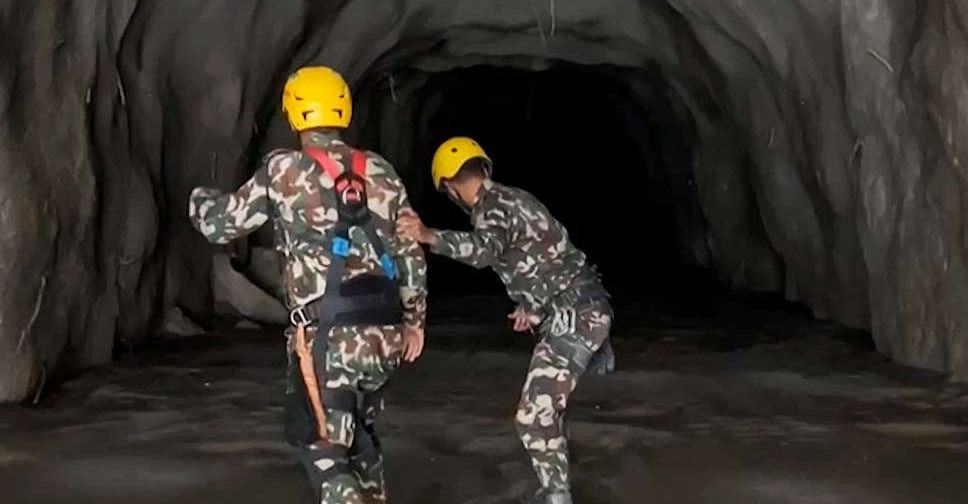 Nepal rescue focused on workers trapped in three tunnels
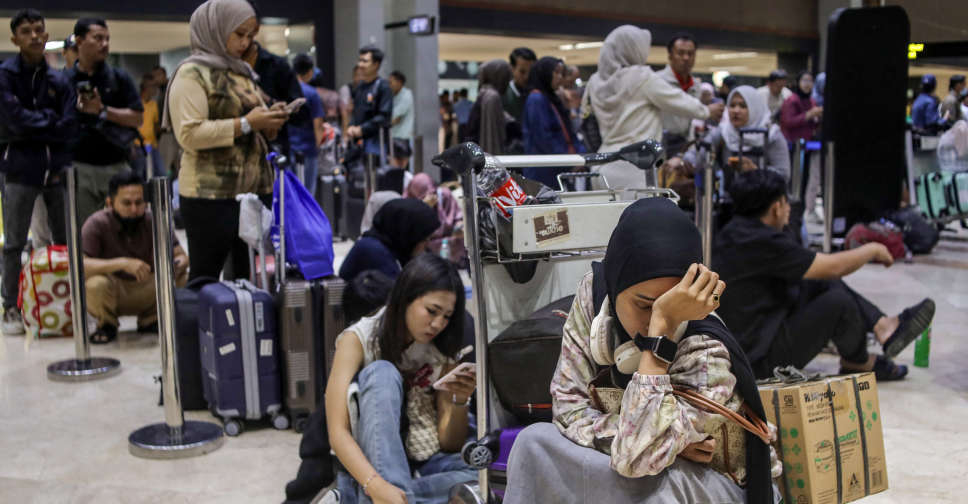 Indonesia reopens Jakarta airport, four others after Anak Krakatau ash clears
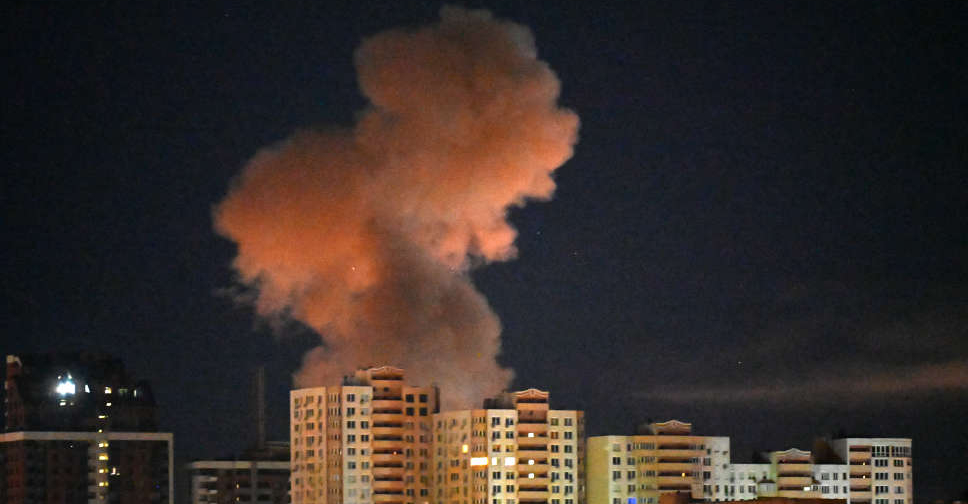 Russia hits Kyiv after brief pause for US envoys' visit, killing two
 Kenya offers temporary amnesty to undocumented East Africans amid crackdown fears