

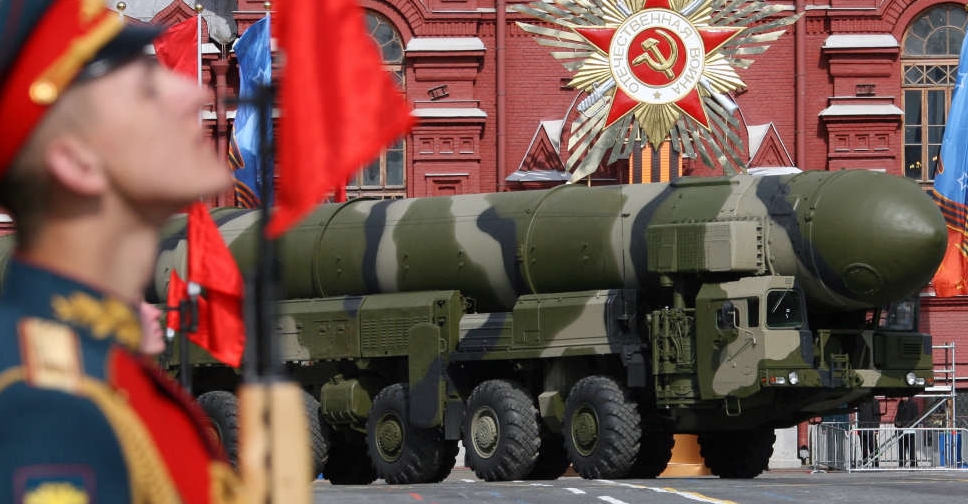
United Nations Secretary-General Antonio Guterres has called the expiration of the New START Treaty a grave moment for international peace and urged Russia and US to negotiate a new nuclear arms control framework without delay.
New START, which was due to run out at midnight on Wednesday, capped the number of strategic nuclear warheads that the US and Russia can deploy, and the deployment of land- and submarine-based missiles and bombers to deliver them.
"For the first time in more than half a century, we face a world without any binding limits on the strategic nuclear arsenals of the Russian Federation and the United States of America – the two States that possess the overwhelming majority of the global stockpile of nuclear weapons," Guterres said in a statement.
He said the dissolution of decades of achievement in arms control "could not come at a worse time – the risk of a nuclear weapon being used is the highest in decades".
At the same time, Guterres said there was now an opportunity "to reset and create an arms control regime fit for a rapidly evolving context" and welcomed the appreciation by the leaders of both Russia and the United States of the need to prevent a return to a world of unchecked nuclear proliferation.
"The world now looks to the Russian Federation and the United States to translate words into action," Guterres said. "I urge both states to return to the negotiating table without delay and to agree upon a successor framework that restores verifiable limits, reduces risks, and strengthens our common security."

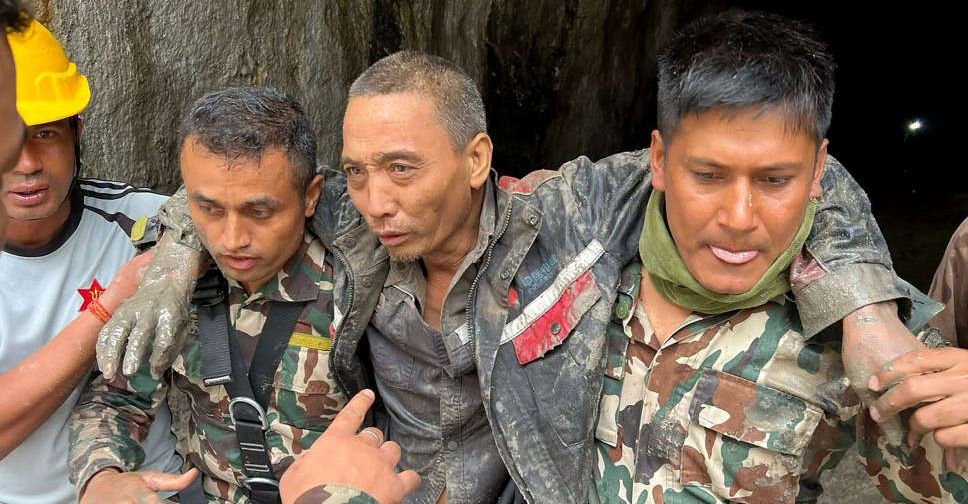 Chinese national rescued from Nepal tunnel 10 days after flash flood
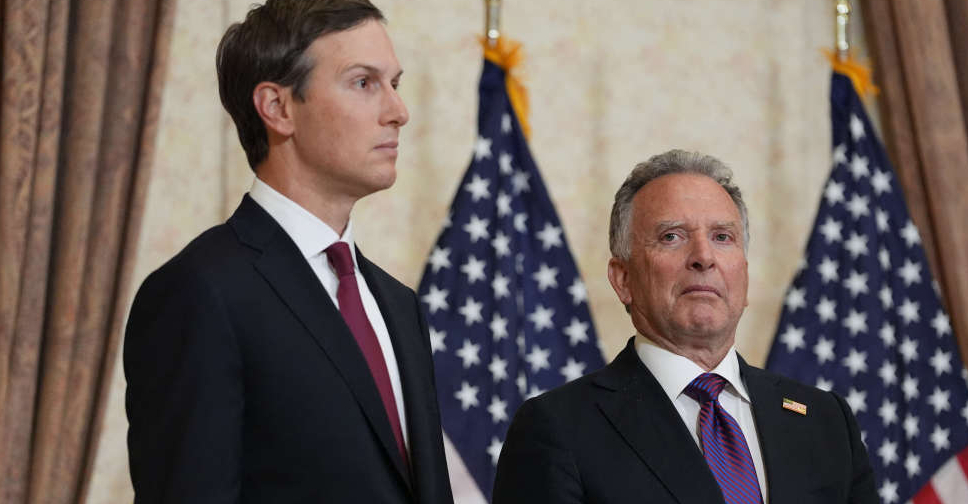 US envoys Witkoff, Kushner arrive in Moscow for talks on peace in Ukraine
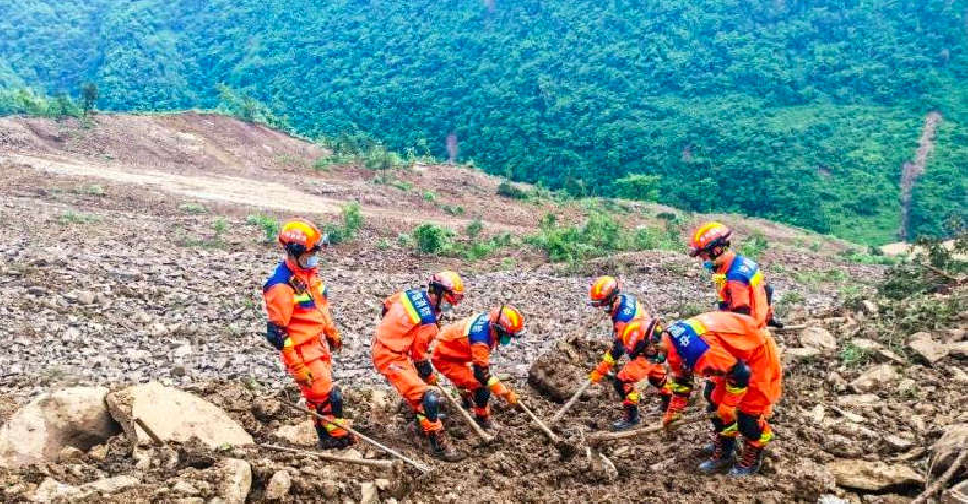 One dead, 11 people missing after mudslide in China's Jiangxi province
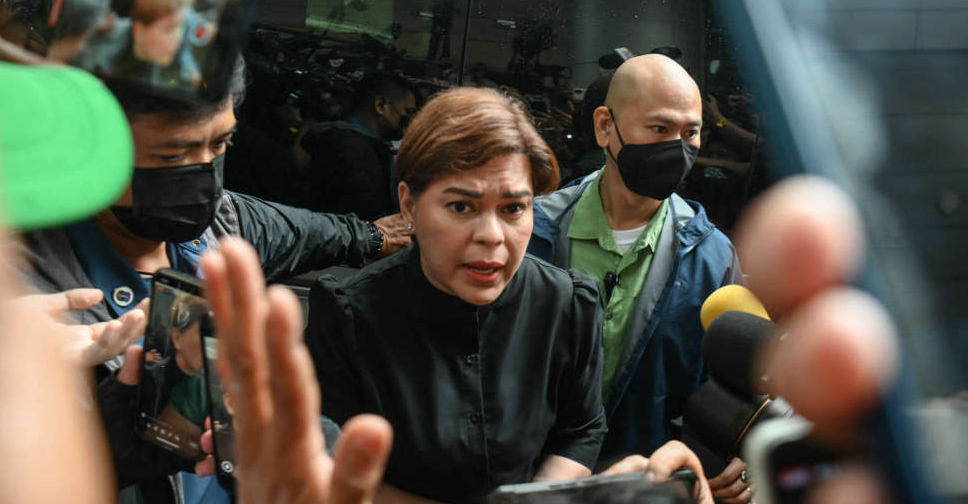 Philippine VP Duterte posts bail after arrest order for alleged grave threats
 Lindsay Clancy trial over killing her children ends in mistrial
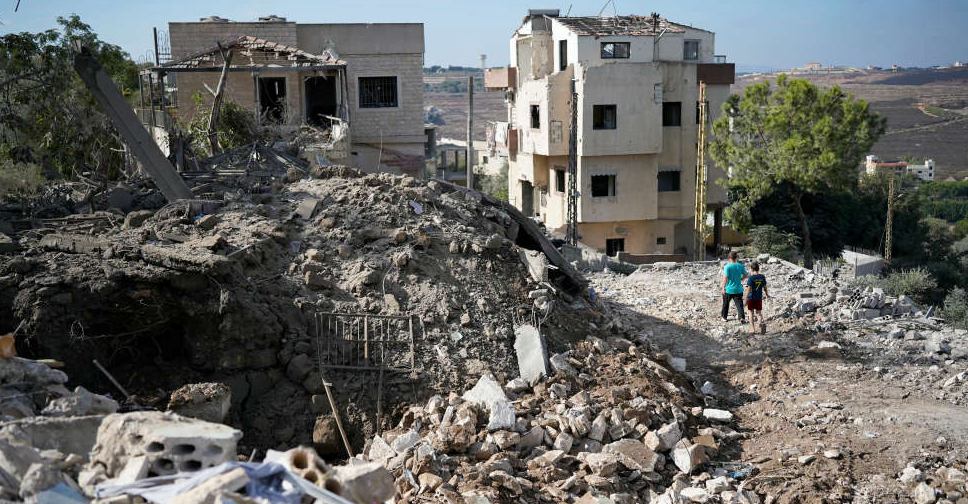 Israel says it strikes southern Lebanon after Hezbollah drone launch
 Sydney sweats in spring hot spell, faces 'extreme' bushfire risk
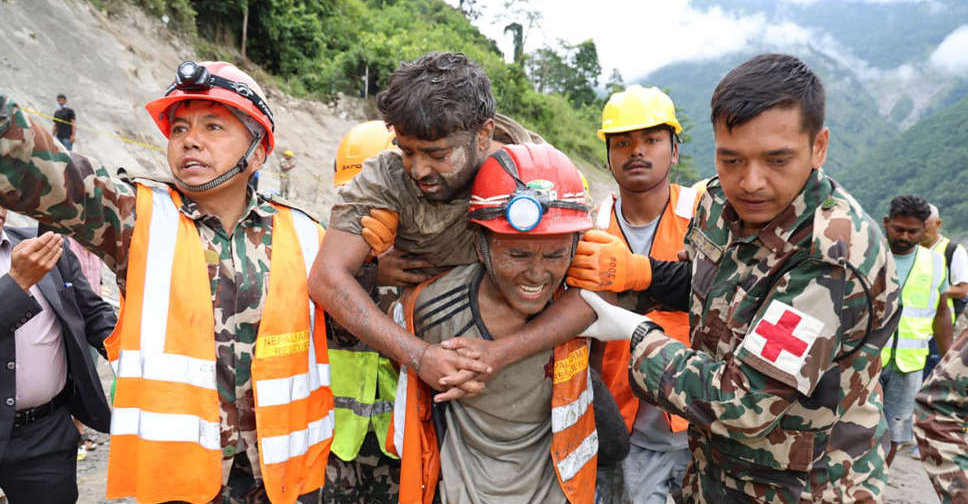 Nine days after disaster, two pulled alive from Nepal hydropower tunnel