

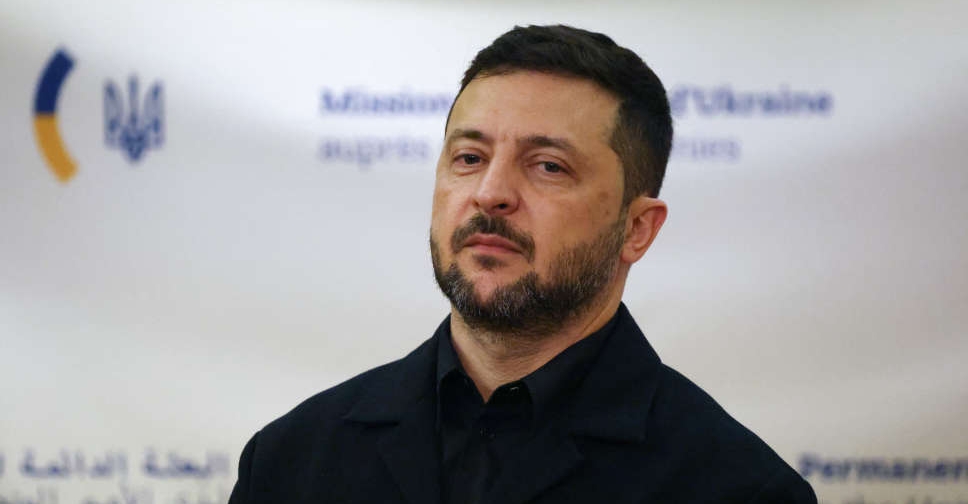
Ukraine is working to resume the exchange of prisoners with Russia, hoping for the release of 1,200 Ukrainians, President Volodymyr Zelenskyy and his Security Council chief said.
"We are...counting on the resumption of exchanges," Zelenskyy said in a video posted on the Telegram messaging app on Sunday. "Many meetings, negotiations and calls are now devoted to this."
His security chief, Rustem Umerov, said on Saturday that he had held consultations in Turkey and the United Arab Emirates, with the support of Kyiv's partners, on resuming the process of exchanges.
"As a result of these negotiations, the parties agreed to return to the Istanbul agreements," he said. "This concerns the release of 1,200 Ukrainians," Umerov said in a statement on Telegram.
There was no immediate comment from Moscow to Ukraine's statements.
The Istanbul agreements are prisoner-exchange understandings brokered with Turkish mediation in 2022, setting out rules for large, coordinated swaps between Russia and Ukraine.
Since then, the two have traded thousands of prisoners, though exchanges have been sporadic and often disrupted by frontline escalation in the war Russia launched against Ukraine in February 2022.
Umerov said that consultations would take place in the near future to decide the procedural and organisational details of the process.
"We are working without pause so that Ukrainians who are to return from captivity can celebrate New Year and Christmas at home – at the family table and with their loved ones," Umerov said.

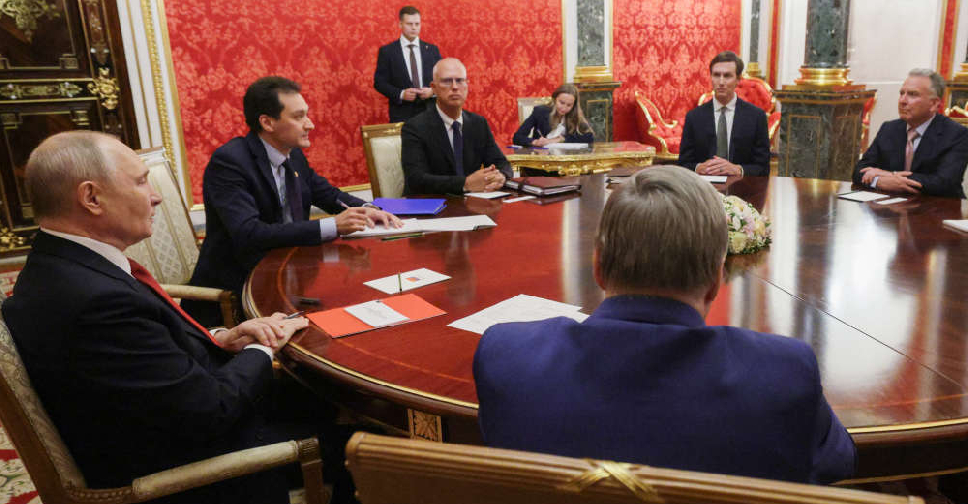 Putin says US-Russia contacts beneficial as talks begin with Witkoff and Kushner
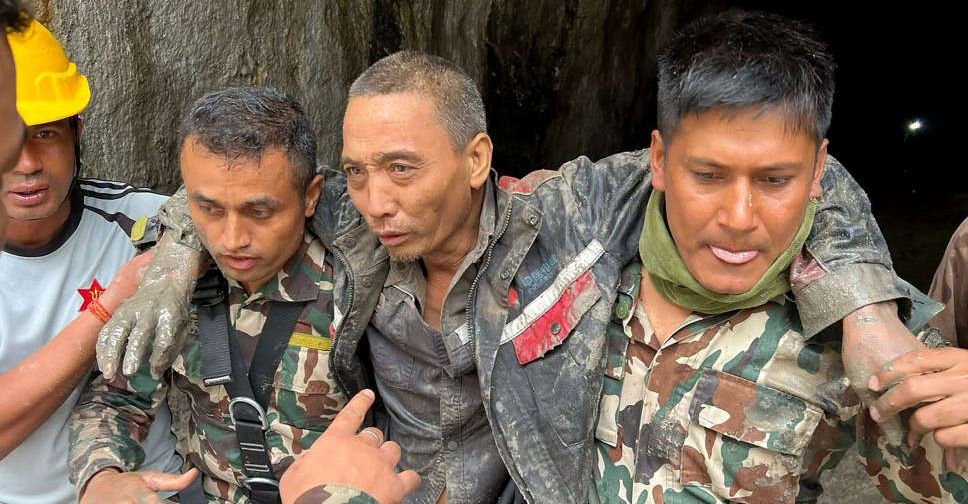 Chinese national rescued from Nepal tunnel 10 days after flash flood
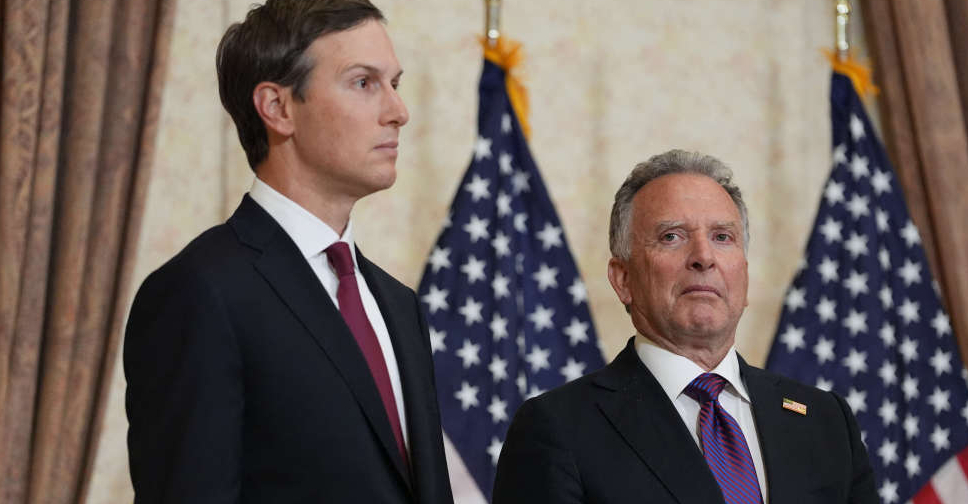 US envoys Witkoff, Kushner arrive in Moscow for talks on peace in Ukraine
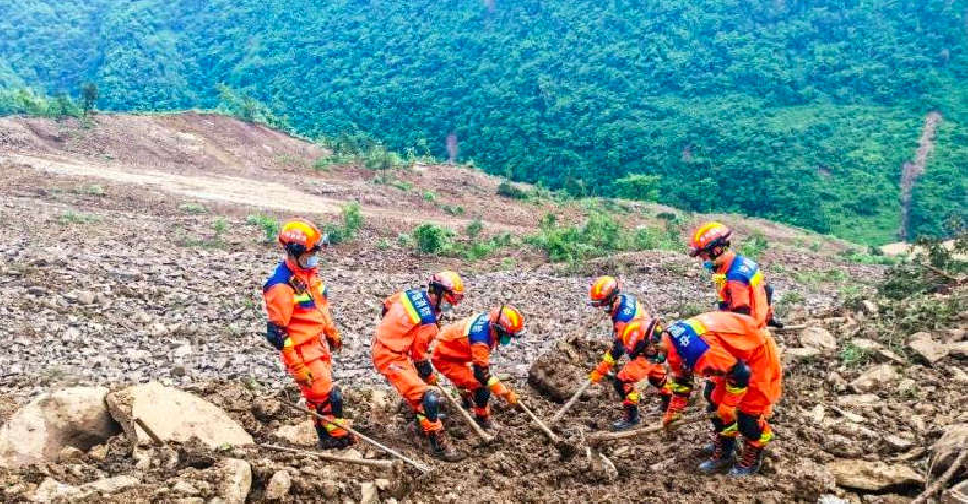 One dead, 11 people missing after mudslide in China's Jiangxi province
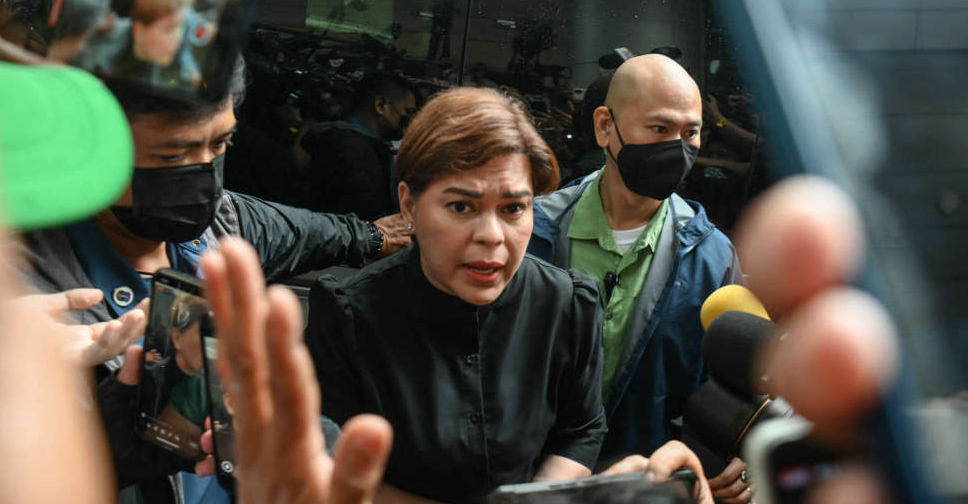 Philippine VP Duterte posts bail after arrest order for alleged grave threats
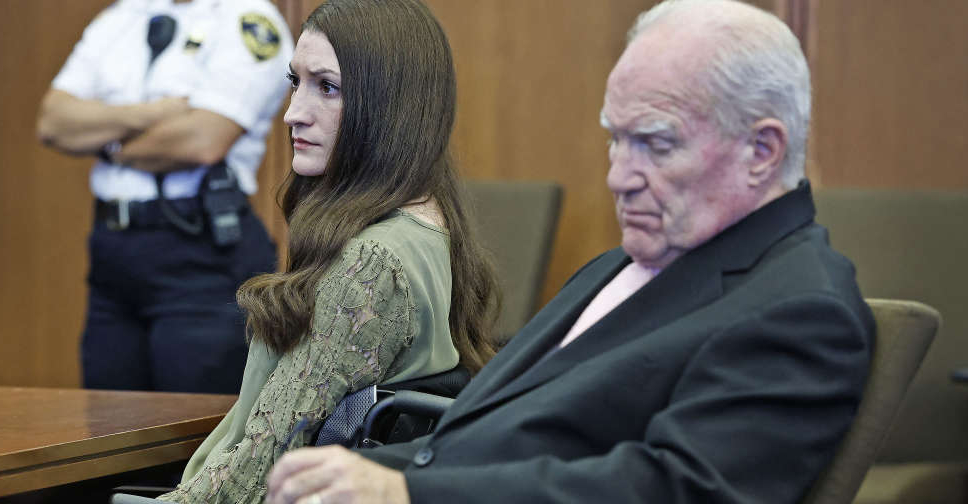 Lindsay Clancy trial over killing her children ends in mistrial
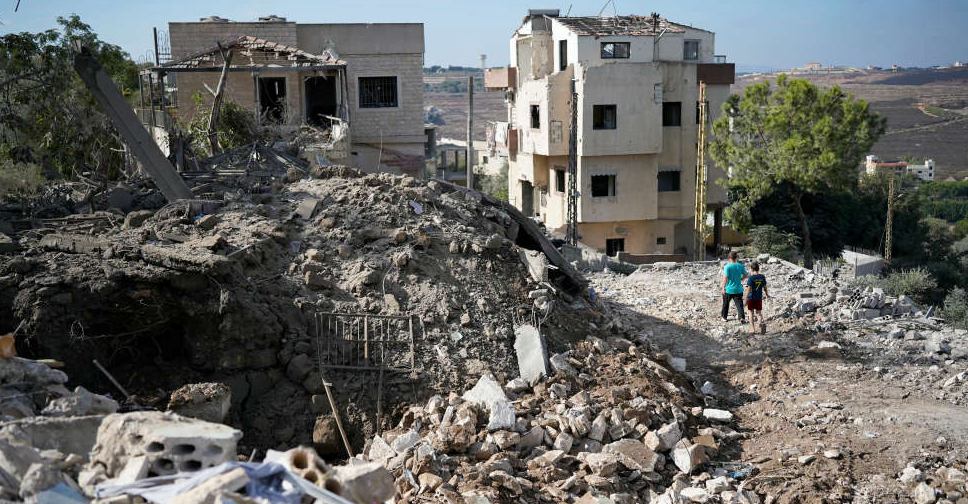 Israel says it strikes southern Lebanon after Hezbollah drone launch
 Sydney sweats in spring hot spell, faces 'extreme' bushfire risk