

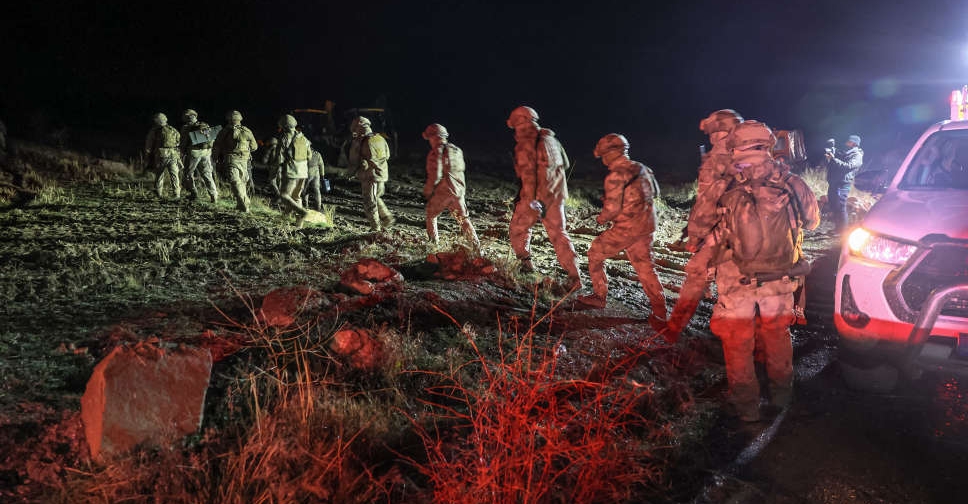
A private jet carrying the chief of staff of Libya’s army reported an electrical failure and requested an emergency landing shortly before crashing near Ankara, Turkey’s head of communications has announced on Wednesday.
The Dassault Falcon 50 jet took off from Ankara’s Esenboga Airport at 5:17 pm GMT on Tuesday en route to Tripoli and at 5:33 pm GMT it informed air traffic control of an emergency caused by an electrical malfunction, Burhanettin Duran said in a statement.
Eight people, including three crew members, were killed in the crash, according to Libyan and Turkish officials.
Air traffic control redirected the aircraft back toward Esenboga Airport and emergency measures were initiated, but the jet disappeared from radar at 5:36 pm GMT while descending for landing and contact was lost, he said.
Turkish Interior Minister Ali Yerlikaya earlier said the aircraft requested an emergency landing while flying over Ankara’s Haymana district, adding that the wreckage was later found near Kesikkavak village in the area.
Search and rescue teams reached the crash site after operations were launched by Turkey's Interior Ministry and investigations into the cause of the crash were continuing with the involvement of all relevant authorities, Duran said.
Libya's internationally recognised government has said the dead included the country's army chief of staff, Mohammed Ali Ahmed Al-Haddad, and four members of his entourage.
Libyan officials have said the jet was leased and registered in Malta, adding that its ownership and technical history would be examined as part of the investigation.

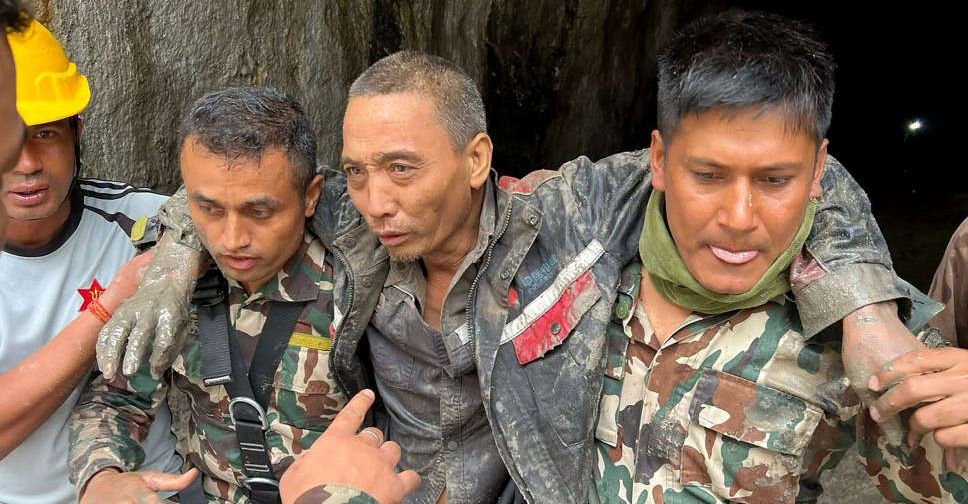 Chinese national rescued from Nepal tunnel 10 days after flash flood
 US envoys Witkoff, Kushner arrive in Moscow for talks on peace in Ukraine
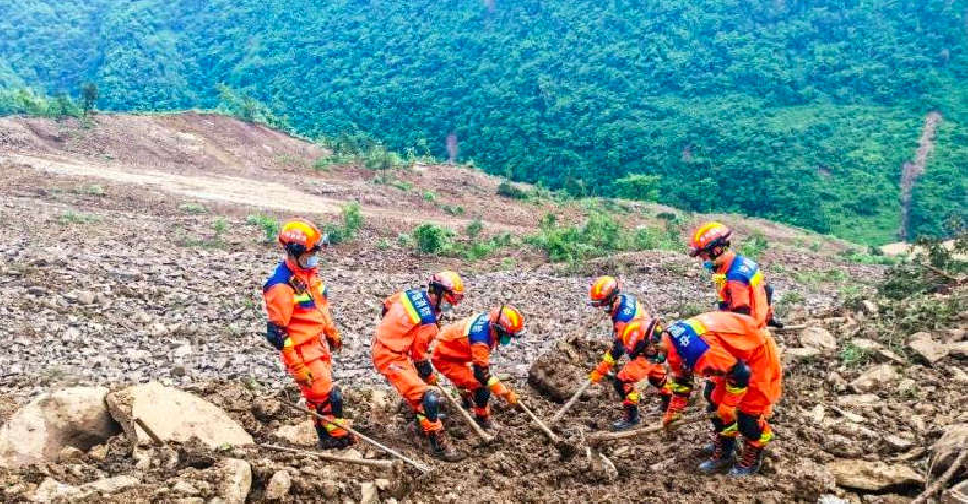 One dead, 11 people missing after mudslide in China's Jiangxi province
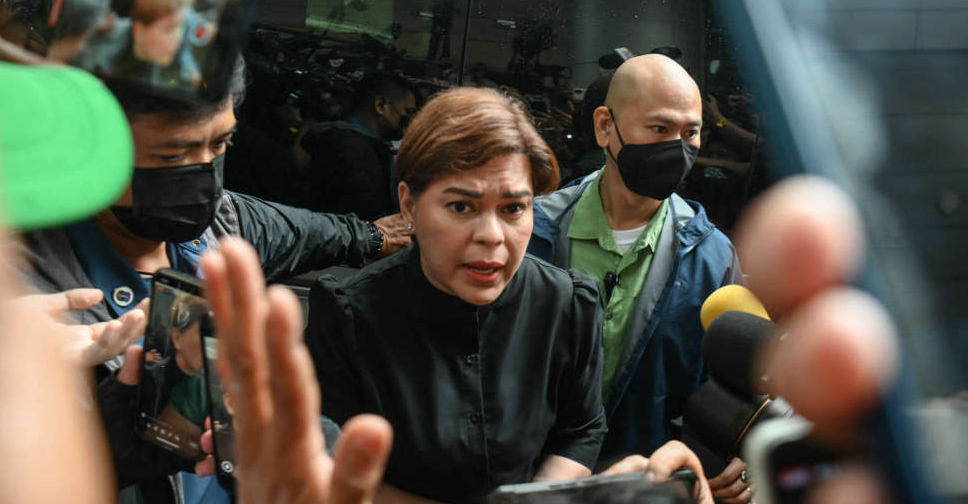 Philippine VP Duterte posts bail after arrest order for alleged grave threats
 Lindsay Clancy trial over killing her children ends in mistrial
 Israel says it strikes southern Lebanon after Hezbollah drone launch
 Sydney sweats in spring hot spell, faces 'extreme' bushfire risk
 Nine days after disaster, two pulled alive from Nepal hydropower tunnel