


Turkey launched a temporary wage support scheme and banned layoffs in 10 cities on Wednesday to protect workers and businesses from the financial impact of the massive earthquakes that hit the south of the country earlier this month.
The moves are part of the Turkish government's steps to minimise the economic impact of Turkey's worst earthquake in modern history that left tens of thousands dead.
Employers whose workplaces were "heavily or moderately damaged" would benefit from support to partially cover wages of workers whose hours had been cut, the country's Official Gazette said on Wednesday.
A ban on layoffs was also introduced in 10 earthquake-hit provinces covered by a state of emergency.
Turkish Parliament imposed a state of emergency for three months on February 7, after a request by President Tayyip Erdogan.
The government also offered salary support and imposed a layoff ban in 2020 in an attempt to mitigate the economic blow from COVID-19.
Business groups and economists have said the earthquake could cost Ankara up to $100 billion to rebuild housing and infrastructure, and shave one to two percentage points off economic growth this year.


 Nine days after disaster, two pulled alive from Nepal hydropower tunnel
 Typhoon Saudel brings torrential rain, flooding to China's coastal areas
 US investigates deadly strike on Iranian wedding
 Nepal flood losses estimated at $2.56 billion, official says
 Kuwait air defences deal with Iranian missile, drone attacks
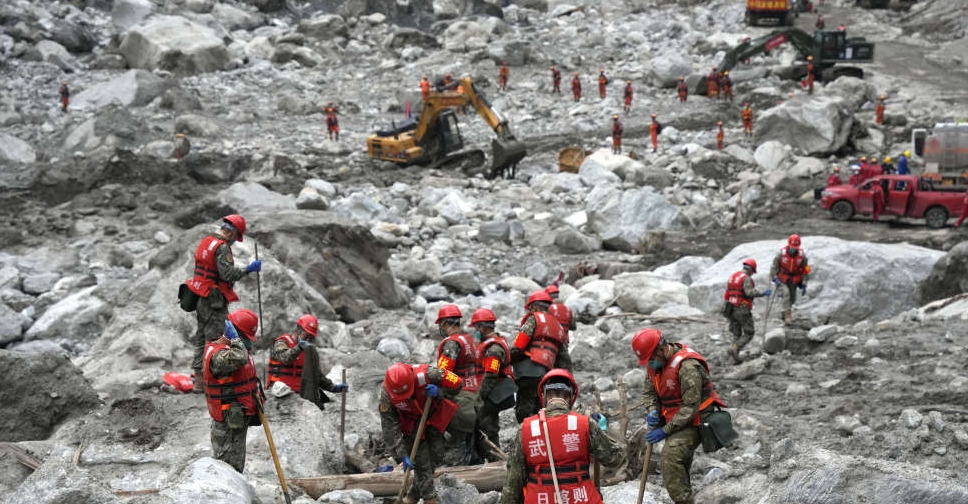 Nepal to rebuild early-warning system on China border after deadly flood, sources say
 US House passes bill to crack down on university boycotts of Israel
 Spain's PM Sanchez says no evidence Morocco orchestrated Ceuta border surge