

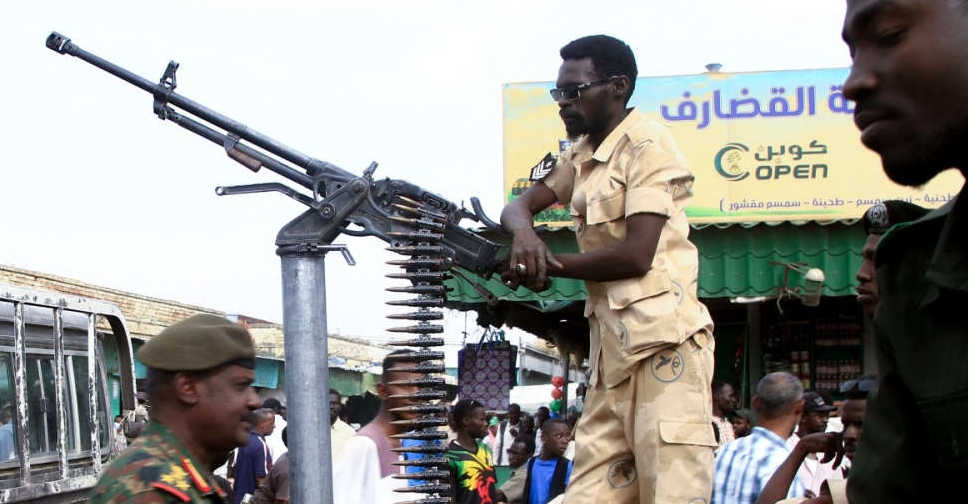
The World Health Organisation (WHO) said on Friday that the crisis in Sudan could worsen in the coming months as the distribution of humanitarian aid and medical supplies remains restricted.
War erupted in Sudan on April 15, 2023, between the Sudanese army and paramilitary Rapid Support Forces (RSF), devastating the country's infrastructure, prompting warnings of famine and displacing millions of people inside and outside the country.
Thousands of civilians have been killed, although death toll estimates are highly uncertain, and both sides have been accused of committing war crimes.
"Time is running out. Without a stop to the fighting and unhindered access for the delivery of humanitarian aid, Sudan's crisis will dramatically worsen in the months to come and could impact the whole region," WHO spokesperson Christian Lindmeier said.
"We are only seeing the tip of the iceberg, and the situation could be much more dire."
Lindmeier said 15 million people were in need of urgent health assistance and that diseases such as cholera, malaria and dengue were spreading.
He said medical supplies in the country were estimated at about 25 per cent of the needs, and 70 to 80 per cent of Sudanese health facilities were not functioning due to the conflict.
"Some states, such as Darfur, have not received medical supplies for the past year," Lindmeier said.
Outbreaks of disease are increasing as public health services, including vaccinations, are disrupted, he said.

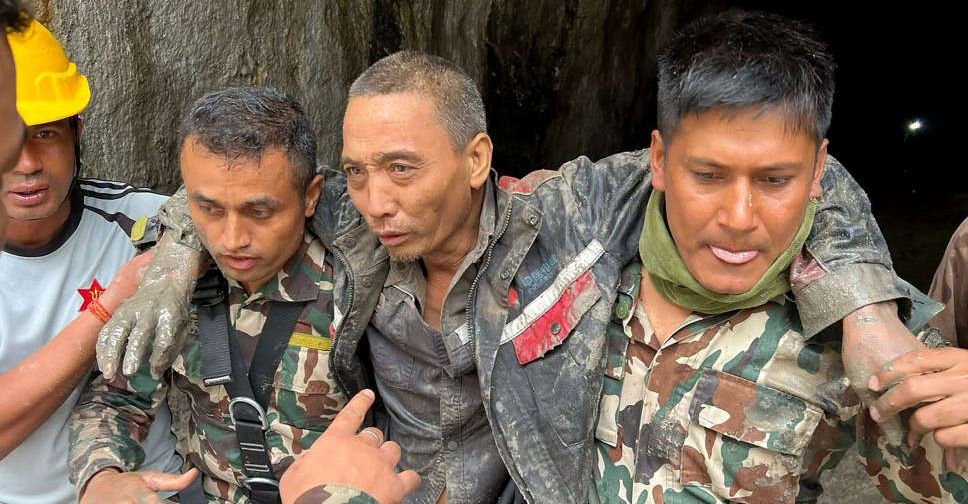 Chinese national rescued from Nepal tunnel 10 days after flash flood
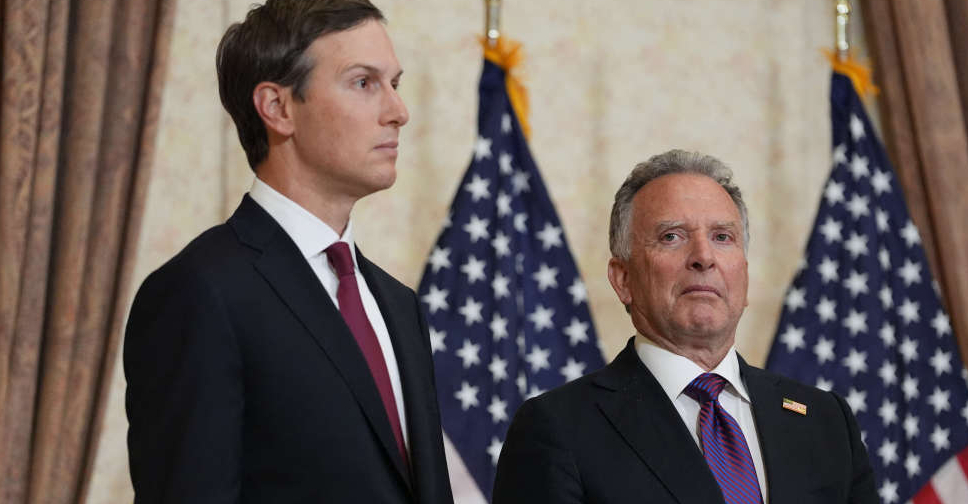 US envoys Witkoff, Kushner arrive in Moscow for talks on peace in Ukraine
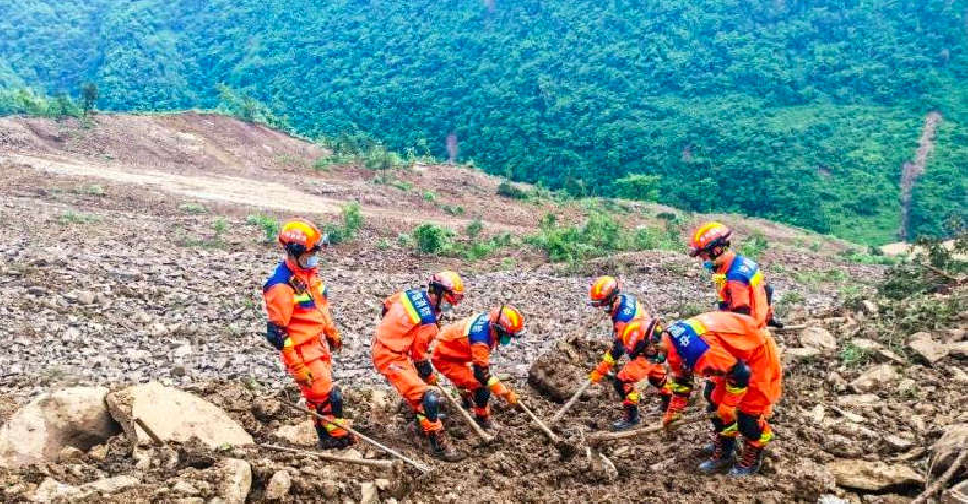 One dead, 11 people missing after mudslide in China's Jiangxi province
 Philippine VP Duterte posts bail after arrest order for alleged grave threats
 Lindsay Clancy trial over killing her children ends in mistrial
 Israel says it strikes southern Lebanon after Hezbollah drone launch
 Sydney sweats in spring hot spell, faces 'extreme' bushfire risk
 Nine days after disaster, two pulled alive from Nepal hydropower tunnel