

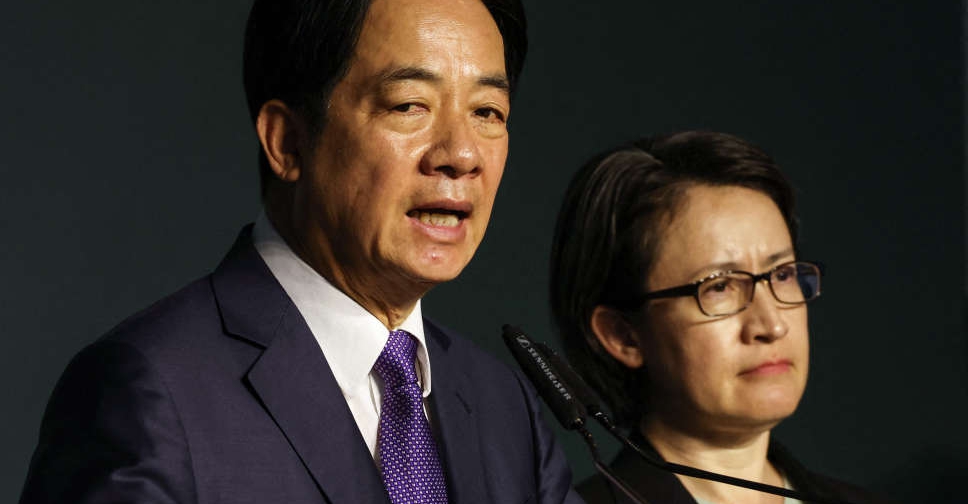
Taiwanese voters swept the ruling Democratic Progressive Party's (DPP) presidential candidate Lai Ching-te into power on Saturday in an explicit rejection of China's warnings not to vote for him in an election Beijing framed as a choice between war and peace.
Current Vice President Lai's DPP, which champions Taiwan's separate identity and rejects China's territorial claims, was seeking a third term, unprecedented under Taiwan's current electoral system.
Lai was facing two opponents for the presidency - Hou Yu-ih of Taiwan's largest opposition party the Kuomintang (KMT) and former Taipei Mayor Ko Wen-je of the small Taiwan People's Party, only founded in 2019. Both conceded defeat.
Lai was due to speak to reporters at 8:30 pm (1230 GMT) in Taipei.
In the run-up to the election, China denounced Lai as a dangerous separatist, saying that any moves towards Taiwan's formal independence meant war, and rebuffed Lai's calls for talks.
Lai says he is committed to preserving peace and the status quo across the Taiwan Strait and boosting the island's defences.


 At least 73 injured after Houthi rebels attack Saudi civilian and energy facilities
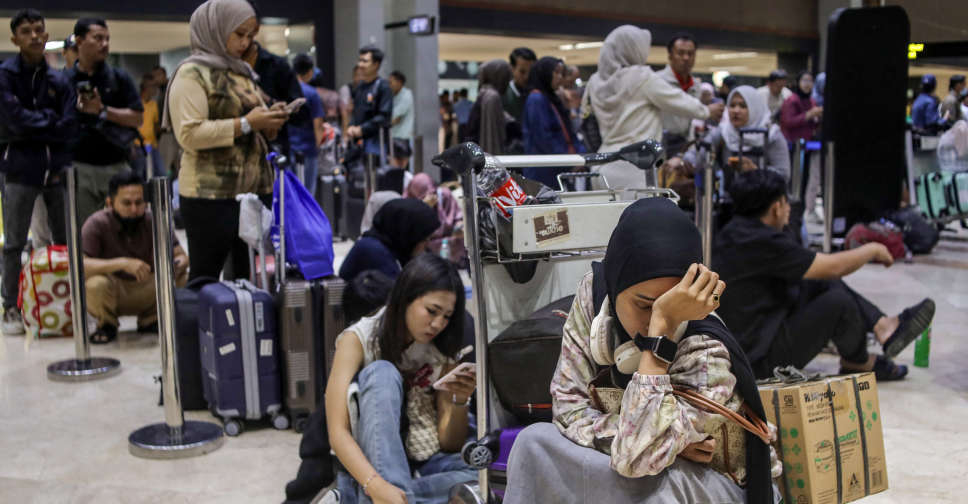 Indonesia reopens Jakarta airport, four others after Anak Krakatau ash clears
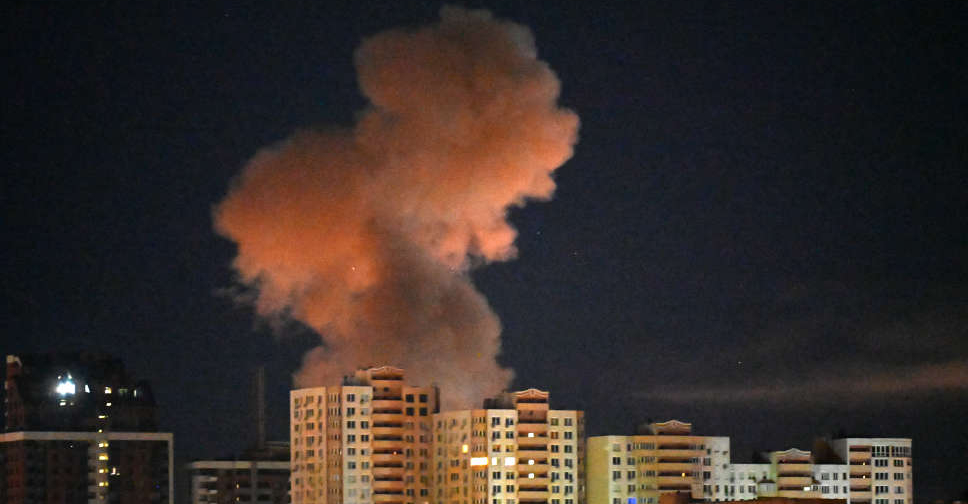 Russia hits Kyiv after brief pause for US envoys' visit, killing two
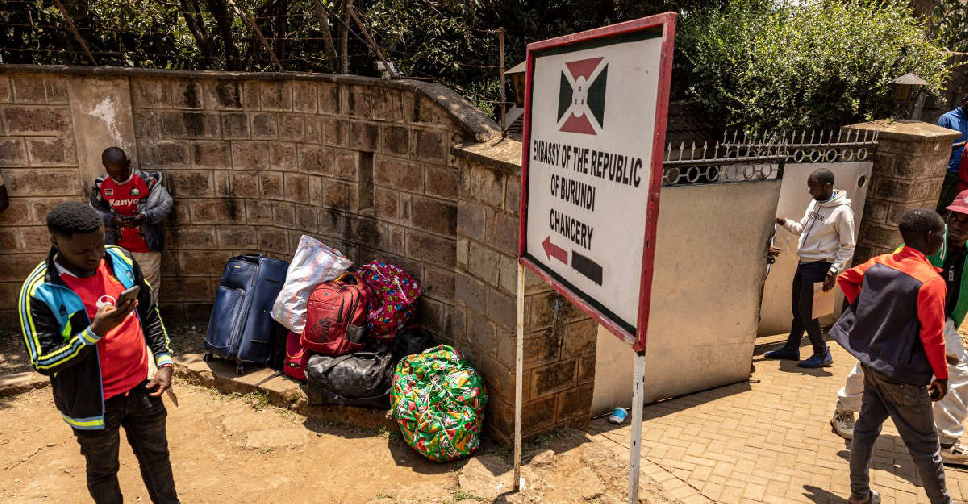 Kenya offers temporary amnesty to undocumented East Africans amid crackdown fears
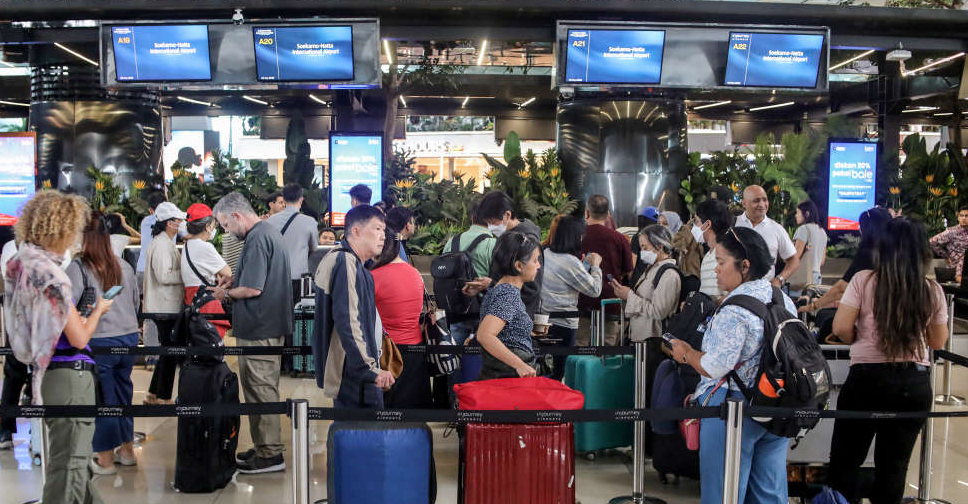 7 Indonesian airports remain shut due to volcanic ash from Anak Krakatau
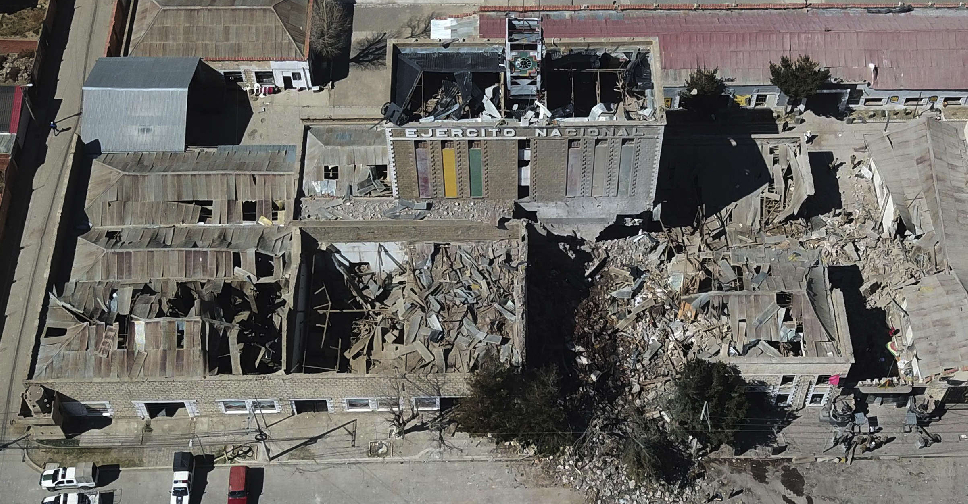 Bolivia confirms 9 deaths after military base explosion
 Israeli strikes on southern Lebanese town kill 11, state news agency says
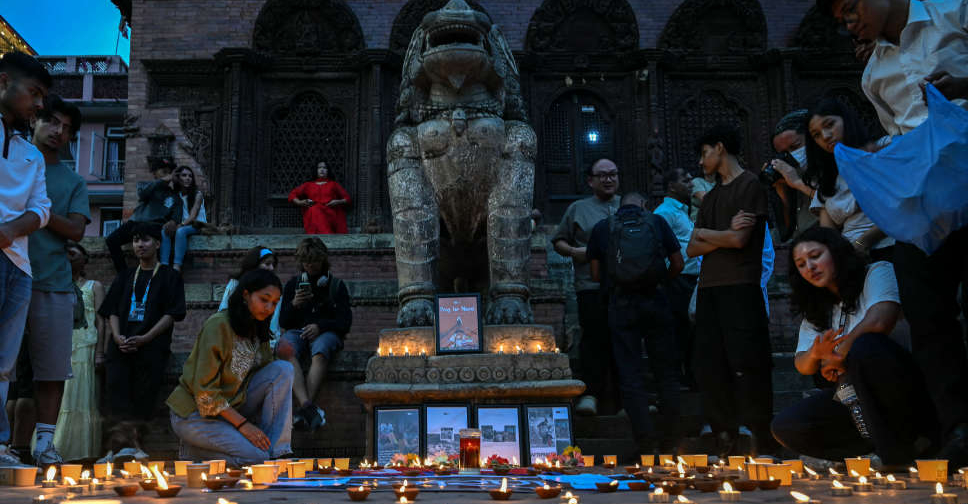 Nepal marks national mourning day after deadly flood