


A communications network blackout in Sudan, blamed on the paramilitary Rapid Support Forces, has hobbled aid deliveries and left the war-weary population of almost 50 million unable to make payments or contact the outside world.
The RSF has been fighting Sudan's army for control of the country since April in a war that has killed thousands, displaced almost 8 million, and sparked warnings of famine.
Four industry sources told Reuters that the RSF began shutting down the networks on February 5, completing the blackout two days later.
On Monday afternoon, state-owned Sudani said that it had begun to restore its network, with users first reporting a restored connection in army-controlled Port Sudan and neighbouring states.
After 10 months of conflict, the RSF controls most of the capital Khartoum and some of Sudan's infrastructure that is based there, including the headquarters of the telecoms providers.
The RSF did not respond to requests for comment. An RSF source said on February 5 the paramilitary had nothing to do with the outages.
The sources said that RSF soldiers had threatened the blackout unless engineers restored service to the western Darfur region, which the RSF controls and which has experienced a blackout for months.
A telecom industry official blamed the situation there on lack of fuel and dangerous working conditions.
STARLINK DEVICES
Devices hooked up to Elon Musk's Starlink satellite internet system have proliferated, despite a government order against them, but most are in the dark in a country where smartphone use for most aspects of life was ubiquitous and many had access to WiFi or data networks.
Commerce in Sudan has become largely reliant on e-wallets as income has dried up, belongings are stolen, and banks are stretched.
The outage has severely restricted the work of volunteer emergency response rooms, which provide crucial food and medical assistance.
Aid agencies face similar difficulties paying suppliers and ensuring the safety of staff, says Mathilde Vu of Norwegian Refugee Council, slowing an already stretched response to multiple disease outbreaks and waves of displacement.
"We are not able to support our teams right now. If you send any of your colleagues to a distribution site and there is any issue we wouldn't be able to support them. That is very stressful," she said.
A government source said the national telecom authority was working with companies to restore services as soon as possible, denying negotiations with the RSF.
The three companies did not respond to requests for comment, though Kuwaiti-owned Zain and South African-owned MTN have previously said the outages were out of their control.
Fighting continued in the capital and west of the country, with the head of the RSF claiming gains in a speech on Sunday. The United Nations also said fighting had flared on the edges of the densely populated city of Al-Fasher.

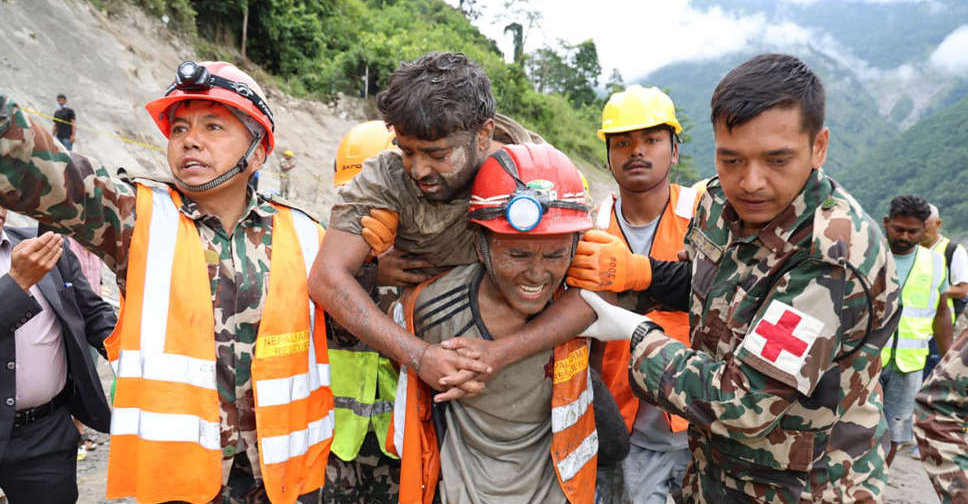 Nine days after disaster, two pulled alive from Nepal hydropower tunnel
 Philippine court issues warrant for VP Duterte's arrest in grave threats case
 Air India A320 issued stall warning when seatbelt signs off, injuring 24, investigators say
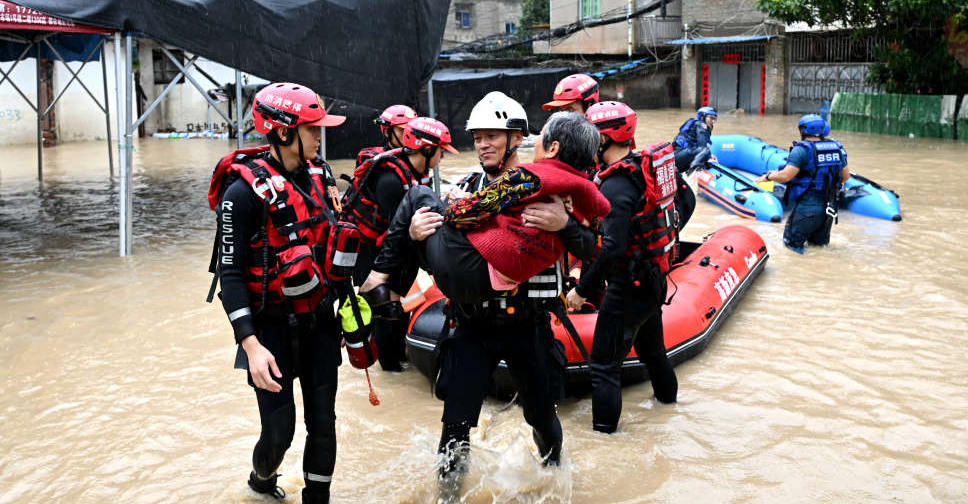 Typhoon Saudel brings torrential rain, flooding to China's coastal areas
 US investigates deadly strike on Iranian wedding
 India food safety crackdown targets company of Nepal's 'Noodle King'
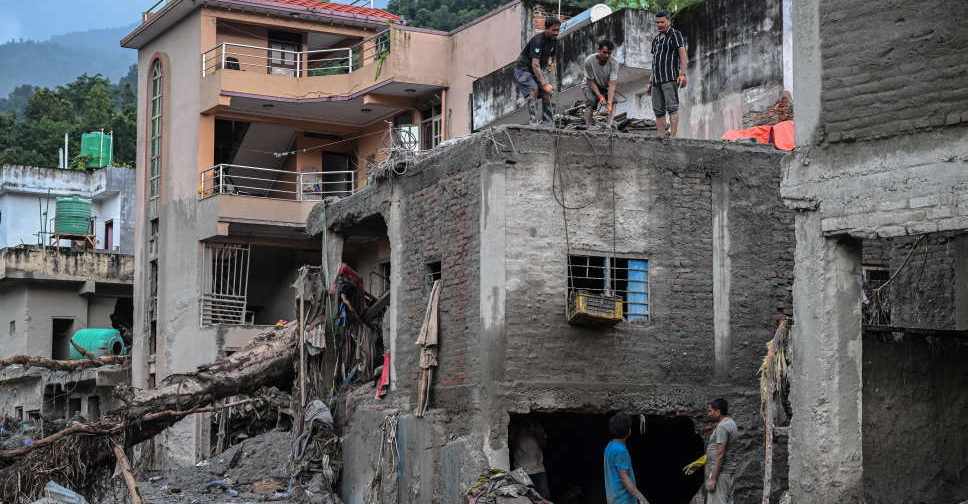 Nepal flood losses estimated at $2.56 billion, official says
 Kuwait air defences deal with Iranian missile, drone attacks