


Russian drones and missiles struck overnight in Ukraine, killing two civilians and hitting energy facilities and railway infrastructure across the country, officials said on Saturday.
Oleh Syniehubov, regional governor for the Kharkiv region, said Iskander missiles targeted an infrastructure facility in the small town of Barvinkove in the northeast, killing two people and injuring three more.
He gave no details about the facility but said on the Telegram messaging app that more than 50 residential houses and administrative and commercial buildings were also damaged in the strike.
The Ukrainian Air Force said Russian forces launched four ballistic Iskander missiles in the overnight attack. The Ukrainian air defence failed to shoot them down.
The air defence shot down 13 of 17 Russian drones over five regions in the east, north, and centre of the country, the air force said.
Ukrenergo, the national grid operator, said the drones attacked electricity distribution facilities in the central Poltava region, the Sumy region in northeast, and the northern Chernihiv region.
Ukrenergo imposed emergency power cuts for industrial and residential consumers in Poltava and Chernihiv regions, it said on the Telegram messaging app.
Russian forces have stepped up missile and drone attacks on Ukrainian energy infrastructure since March, knocking out about half of the available energy generation and forcing extended blackouts for millions.
The Ukrainian Railways said the overnight attacks damaged railway infrastructure in some parts of Kharkiv region and briefly delayed some passenger trains.

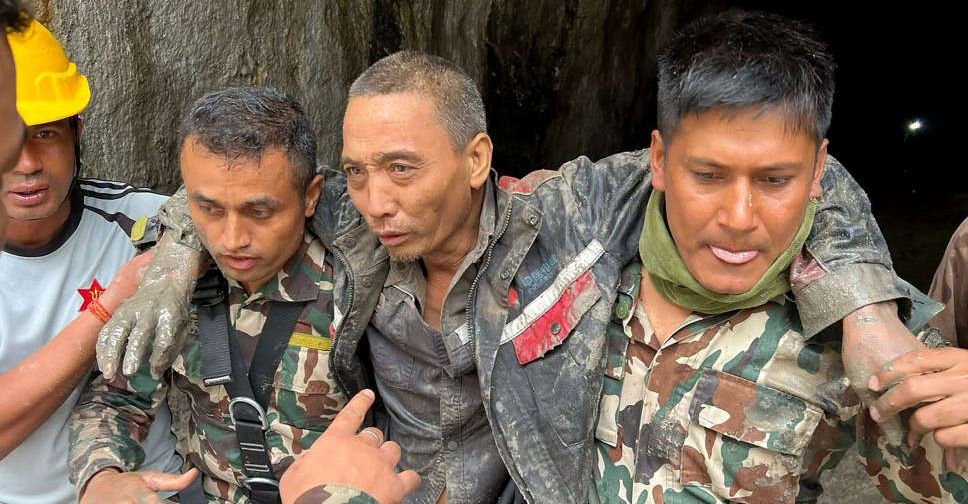 Chinese national rescued from Nepal tunnel 10 days after flash flood
 US envoys Witkoff, Kushner arrive in Moscow for talks on peace in Ukraine
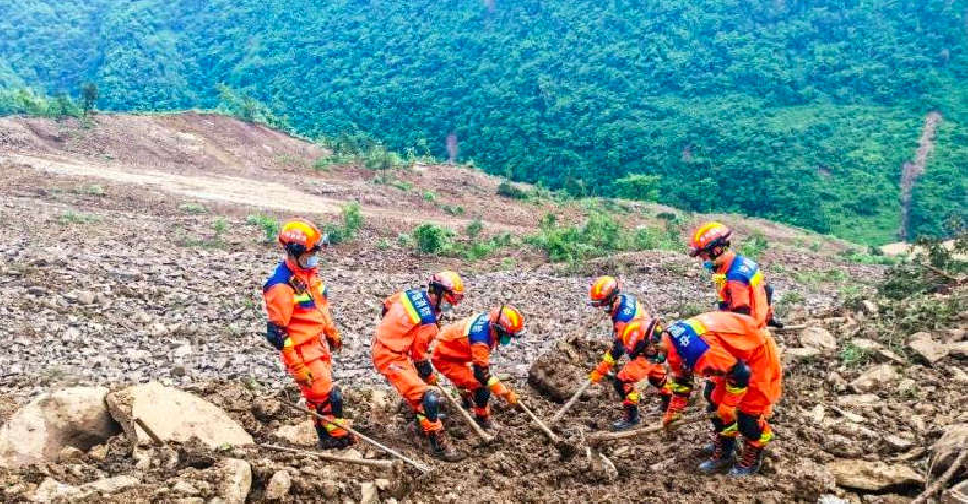 One dead, 11 people missing after mudslide in China's Jiangxi province
 Philippine VP Duterte posts bail after arrest order for alleged grave threats
 Lindsay Clancy trial over killing her children ends in mistrial
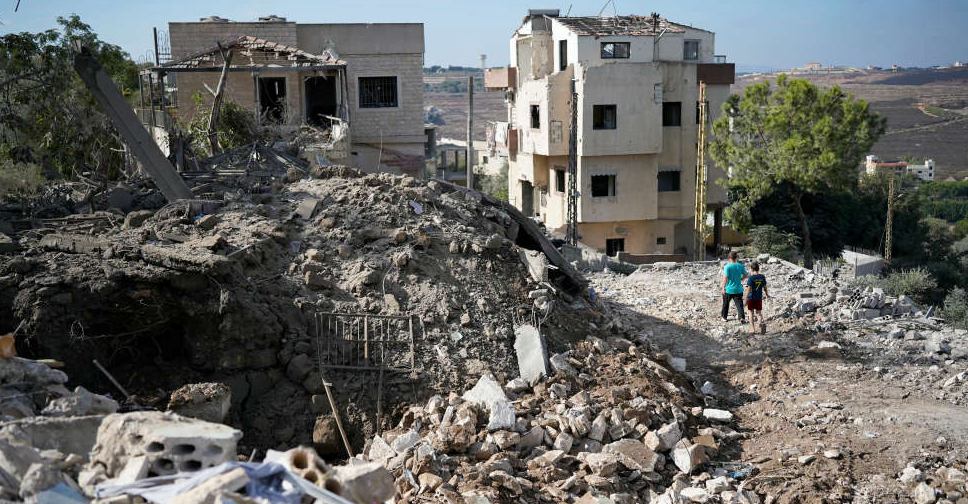 Israel says it strikes southern Lebanon after Hezbollah drone launch
 Sydney sweats in spring hot spell, faces 'extreme' bushfire risk
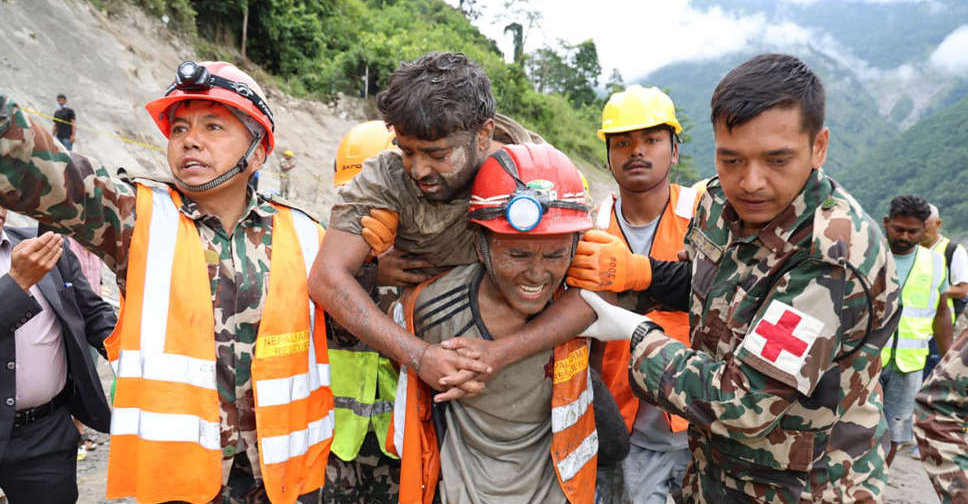 Nine days after disaster, two pulled alive from Nepal hydropower tunnel