

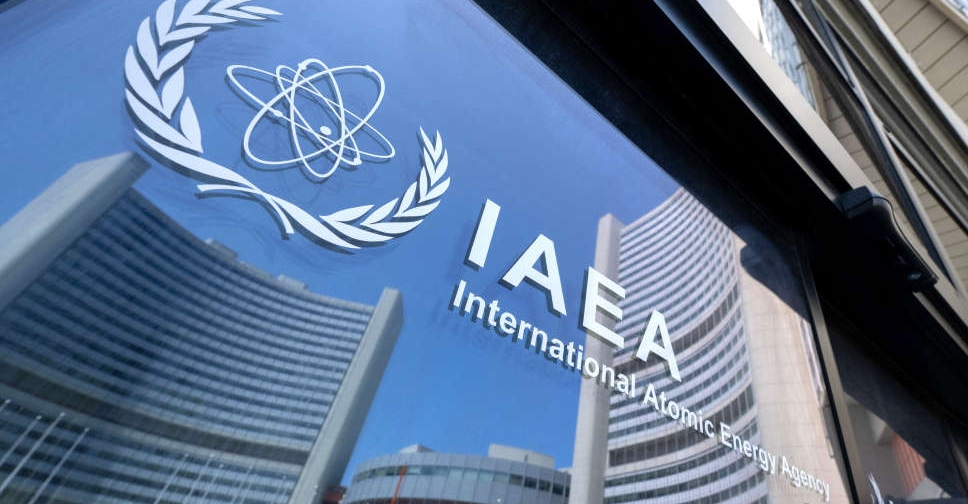
Radiation levels in the Gulf region remain normal after the 12-day Israel-Iran conflict severely damaged several nuclear facilities in Iran, Director General Rafael Mariano Grossi of the International Atomic Energy Agency (IAEA) said.
Grossi noted that any significant radioactive release would have been detected by the 48-nation International Radiation Monitoring System (IRMIS).
He added that "Iran’s Bushehr Nuclear Power Plant and the Tehran Research Reactor represented our main concern as any strike affecting those facilities – including their off-site power lines – could have caused a radiological accident with potential consequences in Iran as well as beyond its borders".
"It did not happen, and the worst nuclear safety scenario was thereby avoided."
Grossi reiterated that nuclear facilities should never be attacked, and emphasised the need for IAEA inspectors to continue their verification activities in Iran.
He added that information from Iran’s Nuclear Regulatory Authority show there is no increased off-site radiation levels in the nuclear sites.

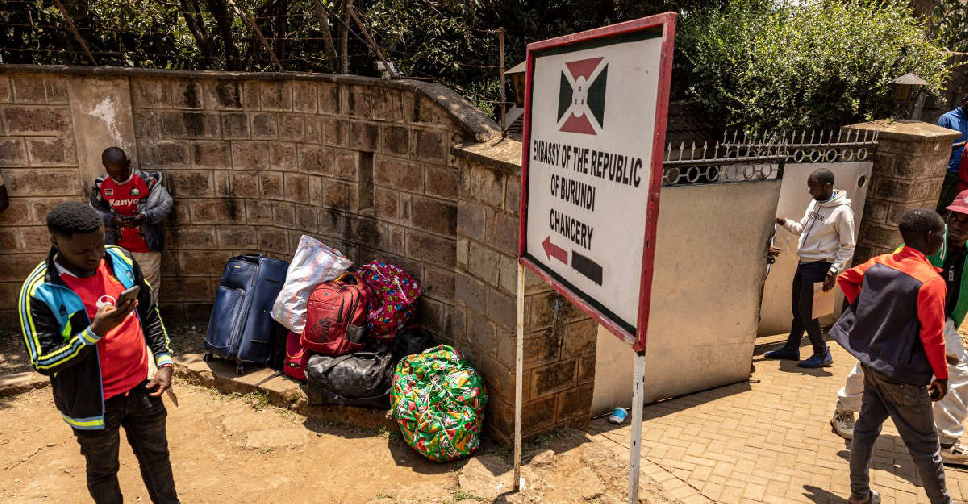 Kenya offers temporary amnesty to undocumented East Africans amid crackdown fears
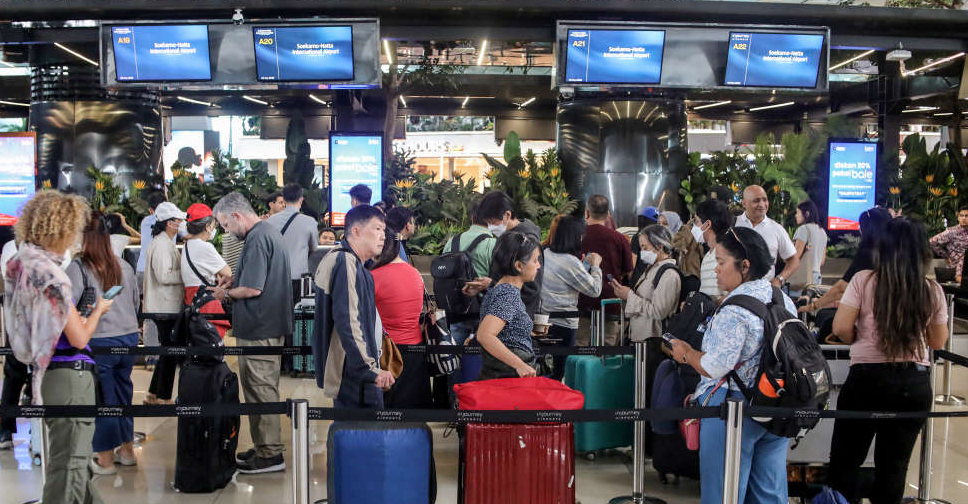 7 Indonesian airports remain shut due to volcanic ash from Anak Krakatau
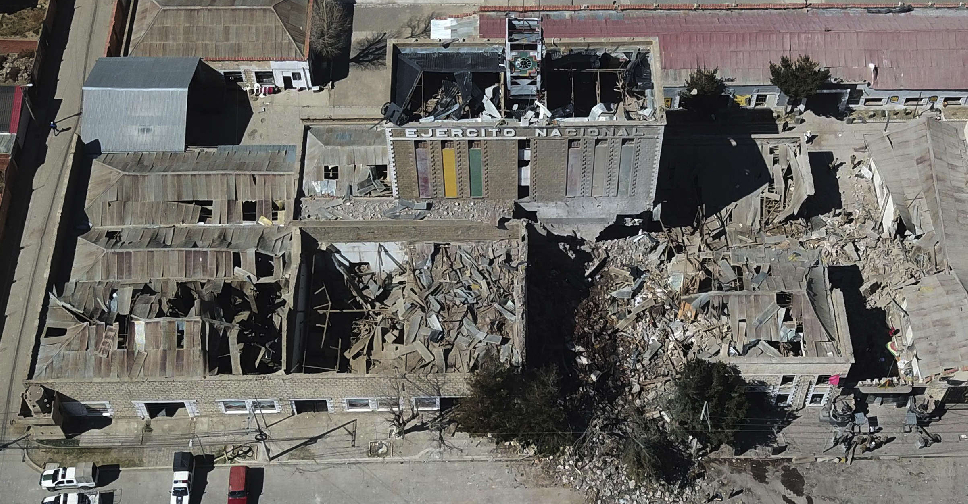 Bolivia confirms 7 deaths after military base explosion
 Israeli strikes on southern Lebanese town kill 11, state news agency says
 Nepal marks national mourning day after deadly flood
 Far-right AfD wins historic victory in German state election
 At least 5 killed in Amazon Prime Air cargo plane crash in Miami
 Israeli strike kills 2 in Gaza, medics say