

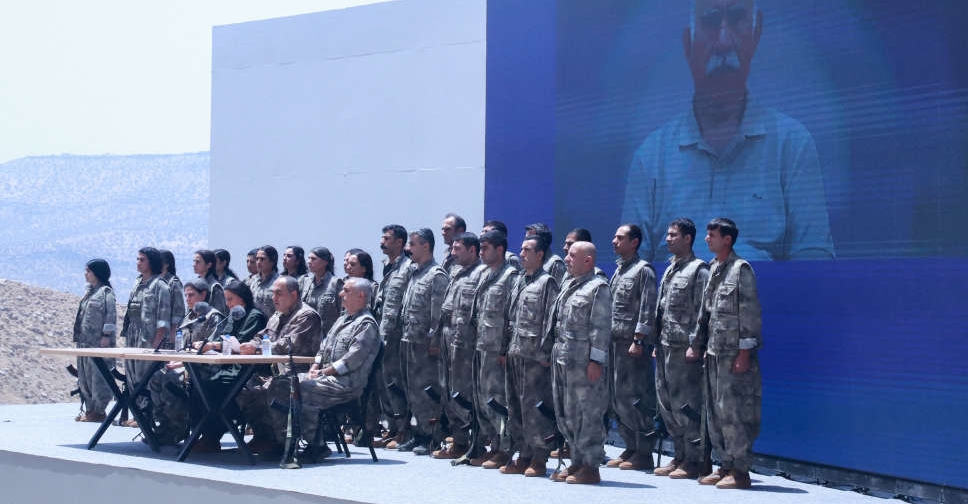
The outlawed Kurdistan Workers Party (PKK) said on Sunday it was withdrawing from Turkey as part of a disarmament process it is coordinating with the government, and pressed Ankara for concrete measures to move the process along.
The PKK, which has waged an insurgency against the Turkish state since 1984, decided in May to disarm and disband after a call to end its armed struggle from its jailed leader Abdullah Ocalan. The fighting has killed more than 40,000 people.
In July, the group, designated a terrorist organisation by Turkey, the United States and European Union, burned some weapons in a symbolic act of good faith.
In a statement from northern Iraq on Sunday, the PKK said it had decided to withdraw to lay the foundations of what it called a "free, democratic and brotherly life", while carrying the processes of disarmament and integration into a next phase.
It said the move showed the PKK's commitment to the process and that the Turkish government should now also take "legal and political" steps without delay. Ankara should pave the way for the PKK's transition into "democratic politics" through laws on integration, it added.
Omer Celik, spokesman for President Tayyip Erdogan's ruling AK Party, said on X that the PKK's withdrawal decision marked a concrete result of the government's "terror-free Turkey" goal, and would help shape the "positive framework" to be established by a parliamentary commission for the legal leg of the process.
The PKK has been based in northern Iraq after being pushed well beyond Turkey's southeastern frontier in recent years. Turkey's military carries out regular strikes on PKK bases in the region and established several military outposts there.
Over the years, the PKK's goals shifted from seeking an independent state to seeking greater Kurdish rights and limited autonomy in mainly Kurdish southeast Turkey.
Turkey says it protects Kurdish rights but that it will not allow separatist moves.
The end of NATO-member Turkey's conflict with the PKK could have consequences across the region, including in neighbouring Syria where the United States is allied with Syrian Kurdish forces that Ankara deems a PKK offshoot.

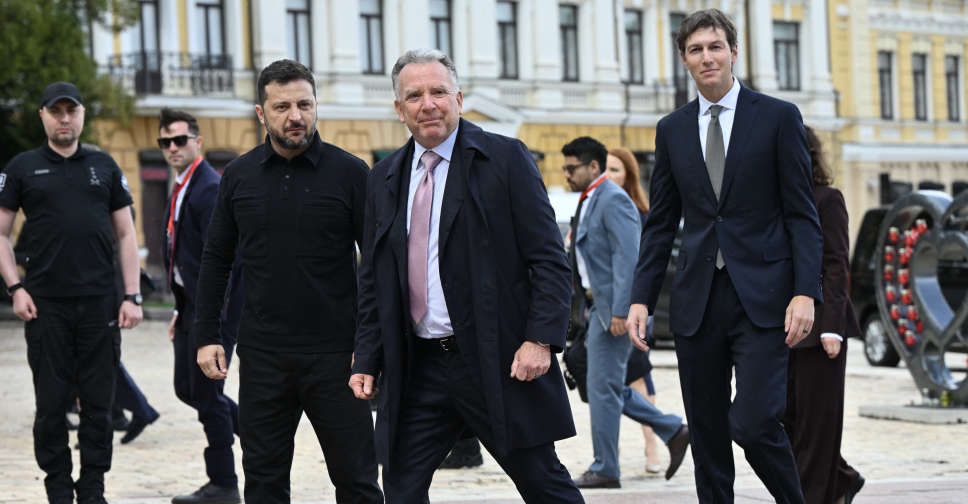 US peace envoys meet Zelenskyy in Kyiv after Putin talks
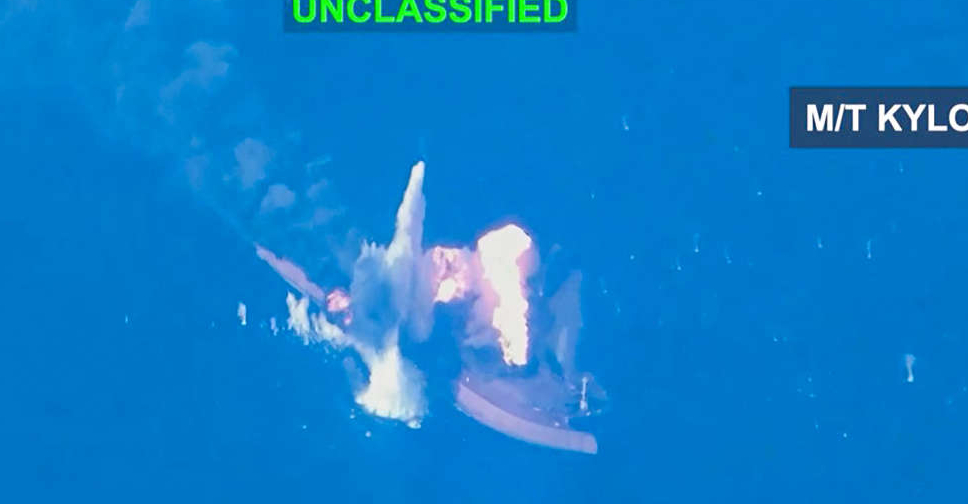 US targets three Iranian oil vessels after attack on Navy ships
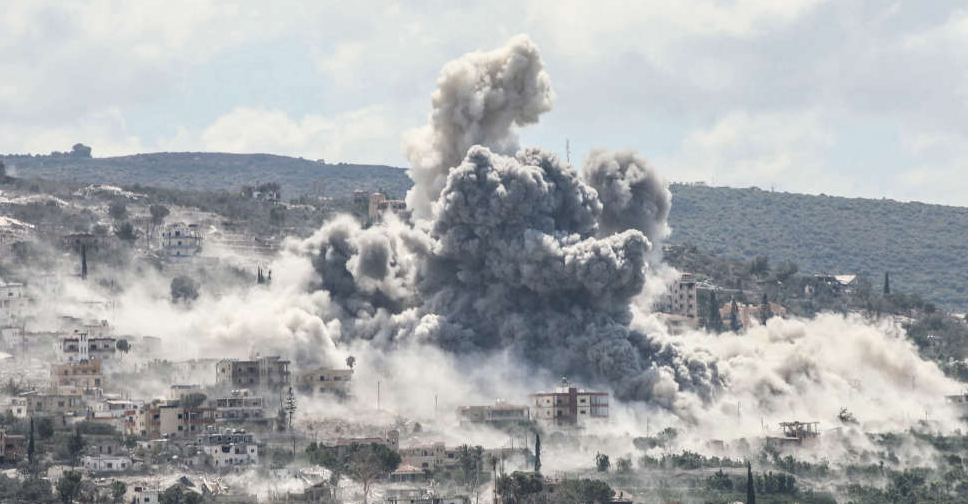 Israeli strikes kill seven in southern Lebanon
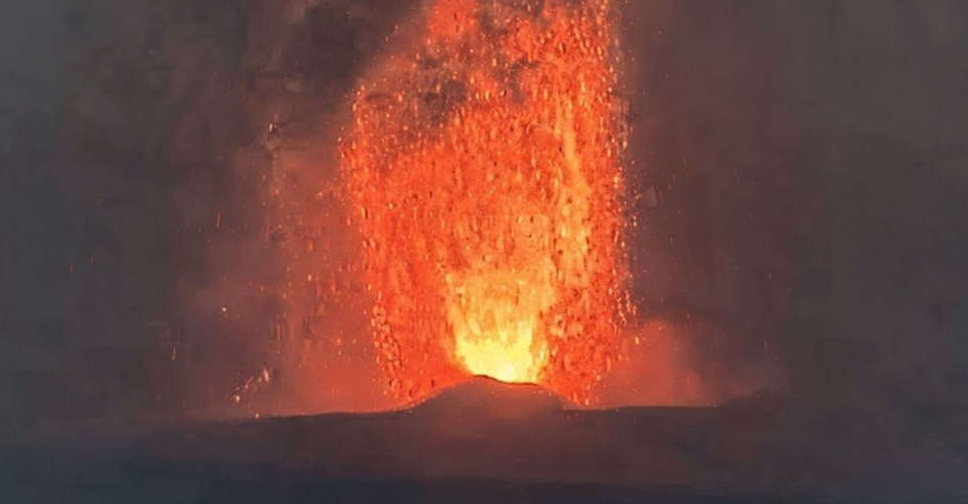 Indonesia's Anak Krakatau eruption halts flights, schools, fishing
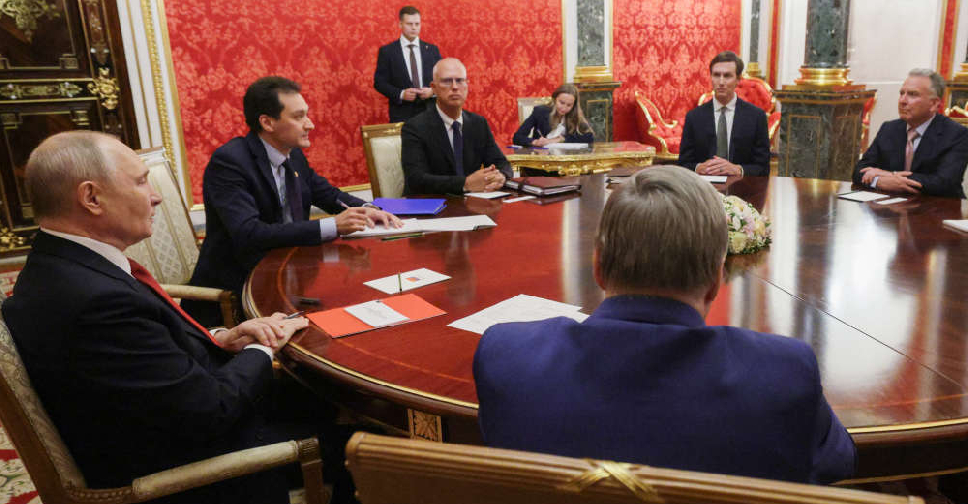 Putin says US-Russia contacts beneficial as talks begin with Witkoff and Kushner
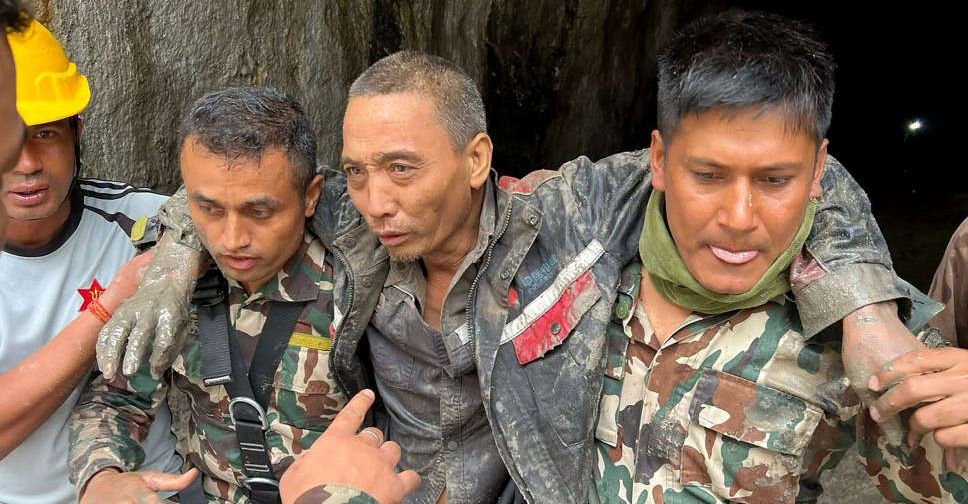 Chinese national rescued from Nepal tunnel 10 days after flash flood
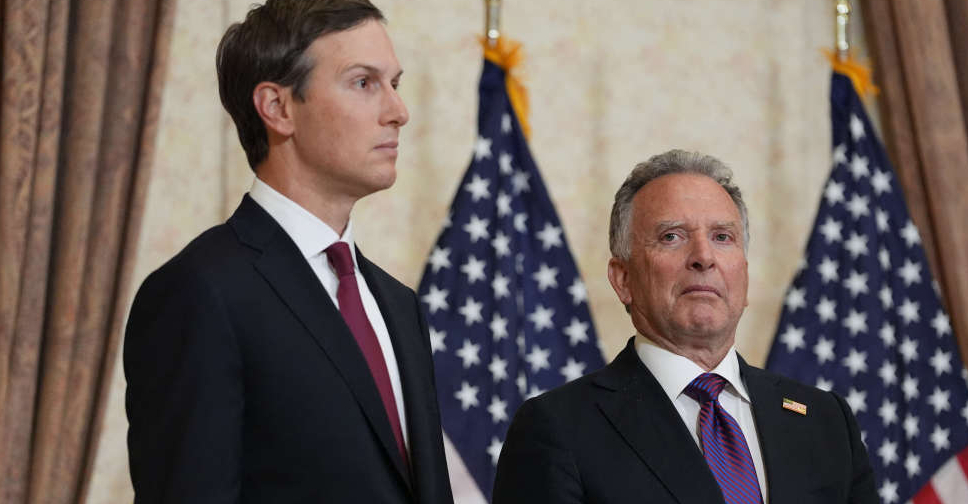 US envoys Witkoff, Kushner arrive in Moscow for talks on peace in Ukraine
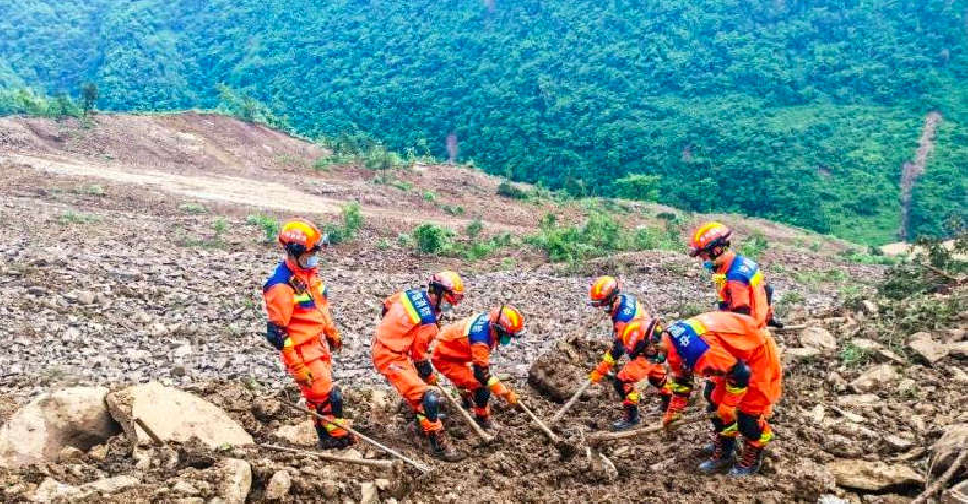 One dead, 11 people missing after mudslide in China's Jiangxi province