


Pakistani Prime Minister Shehbaz Sharif and opposition leader Raja Riaz agreed on Saturday to name Senator Anwaar-ul-Haq Kakar as caretaker premier to oversee elections.
The Prime Minister's office said.
Kakar, a lesser-known politician from the southwestern province of Balochistan, will name a cabinet and head a government to steer the nuclear-armed nation through economic and political crises until a new government is elected.
"The prime minister (Sharif) and leader of the opposition have jointly signed the advice, which will be sent to the president for approval," the statement said.
Pakistan's Geo News said President Arif Alvi approved Kakar's appointment.
Under Pakistan's constitution, a neutral caretaker government oversees national elections, which must be held within 90 days of the dissolution of the parliament's lower house - which in this instance means early November.
The choice of caretaker prime minister has assumed heightened importance this time because the candidate will have extra powers to make policy decisions on economic matters, and amid fears the elections may be delayed by as much as six months.
The Election Commission has to draw new boundaries for hundreds of federal and provincial constituencies and based on that, it will give an election date.
Kakar has been serving a six-year term in Pakistan's Senate since 2018.
His mineral-rich home province of Balochistan is Pakistan's largest by size but smallest by population and has been a hotbed for a violent nationalist insurgency for decades.
Kakar is listed as an independent politician by the Senate but is reported by local media to be a part of the Balochistan Awami Party, which is widely considered to be close to the country's powerful military.
The military continues to have a huge role behind the scenes in Pakistan. It has ruled the country directly for over three decades of its 76-year existence and wields significant political power.
Political analysts say that if the caretaker set-up stretches beyond its constitutional tenure, a prolonged period without an elected government would allow the military to consolidate its control.


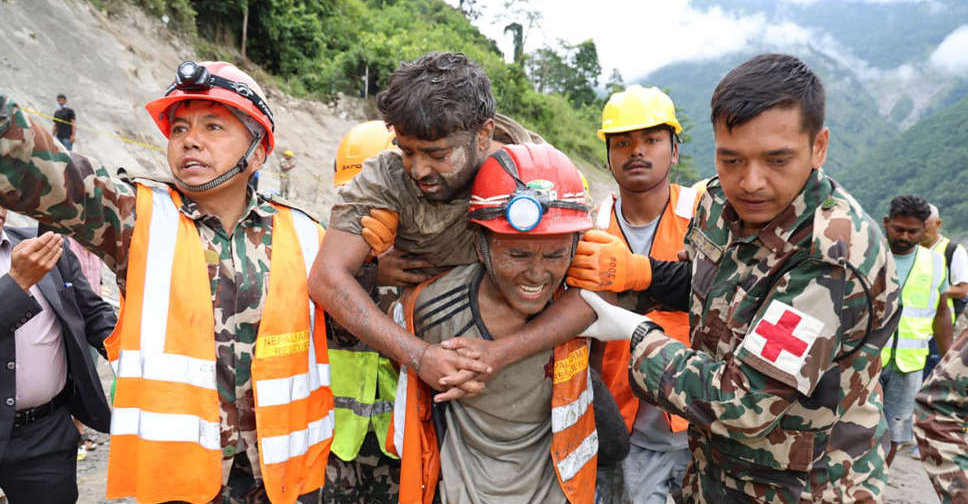 Nine days after disaster, two pulled alive from Nepal hydropower tunnel
 Philippine court issues warrant for VP Duterte's arrest in grave threats case
 Air India A320 issued stall warning when seatbelt signs off, injuring 24, investigators say
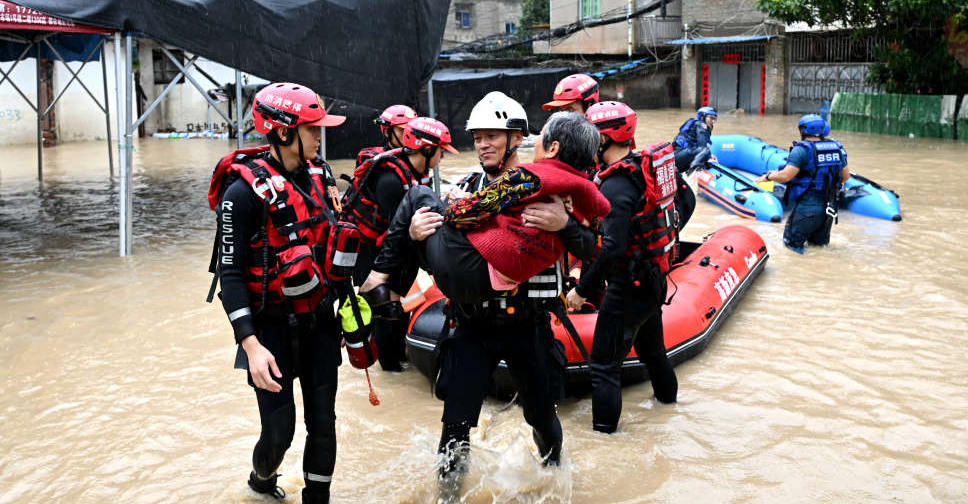 Typhoon Saudel brings torrential rain, flooding to China's coastal areas
 US investigates deadly strike on Iranian wedding
 India food safety crackdown targets company of Nepal's 'Noodle King'
 Nepal flood losses estimated at $2.56 billion, official says
 Kuwait air defences deal with Iranian missile, drone attacks