

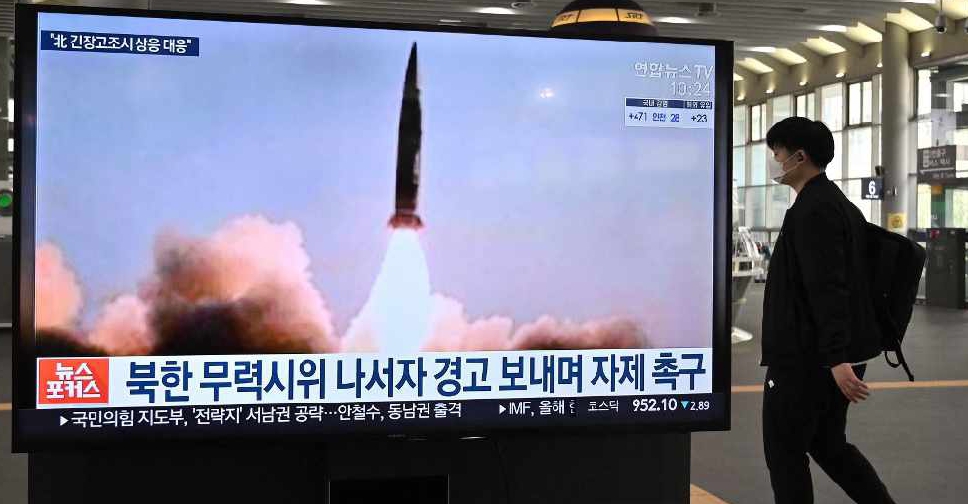
North Korea launched a "newly developed new-type tactical guided projectile", state news agency KCNA reported on Friday, as the US warned of a threat to international peace and security.
The launches, which were the country's first ballistic missile tests in nearly a year, underscored steady progress in its weapons programme amid stalled denuclearisation talks with the United States.
President Joe Biden said on Thursday the United States remained open to diplomacy with North Korea despite its missile tests this week, but warned there would be responses if North Korea escalates matters.
The State Department later condemned the ballistic missile launches as destabilising. "These launches violate multiple UN Security Council resolutions and threaten the region and the broader international community," a State Department spokesman said.
The new weapon is based on existing technology that was improved to carry a 2.5-tonne warhead, KCNA reported.
It said the two weapons accurately struck a target 600 km off North Korea's east coast, which conflicts with estimates by South Korean and Japanese authorities who said the missiles flew about 420-450 km.
"The development of this weapon system is of great significance in bolstering up the military power of the country and deterring all sorts of military threats," said Ri Pyong Chol, the senior leader who oversaw the test.
Photos released by state media showed a black-and-white painted missile blasting off from a military launch vehicle.
Missile specialists at the California-based James Martin Center for Nonproliferation Studies (CNS) said it appeared to be a missile that was unveiled at a major military parade in Pyongyang in October.
If it is, then Thursday's missiles were likely an improved and probably stretched variant of the previously tested KN-23 missile with "a really big warhead," said Jeffrey Lewis, of CNS.
The KN-23 is a North Korean short-range ballistic missile (SRBM) first tested in May 2019, with visual similarity to Russia's Iskander-M SRBM, prompting analysts to debate whether it was developed with foreign help.
The new missile's 2.5-tonne warhead may be a response to South Korea's announcement in August that its latest Hyunmoo-4 SRBM had "the largest payload in the world" at 2 tonnes, Lewis said.
The SRBMs developed by North Korea are designed to defeat missile defences and conduct a precision strike in South Korea, analysts say.
KCNA said Thursday's test confirmed the missile's capability to conduct "low-altitude gliding leap type flight mode," a feature that makes such weapons harder to detect and shoot down.
KCNA's report suggested North Korean leader Kim Jong Un did not attend the launch, and undated state media photos published on Friday showed him inspecting new passenger buses in Pyongyang.
Kim has vowed to try to improve living conditions for citizens as North Korea's economy was ravaged by multiple crises, including international sanctions over the missile and nuclear weapons programmes, natural disasters, and a crushing self-imposed border lockdown that slowed trade to a trickle in an effort to prevent a coronavirus outbreak.


 Air traffic control issue disrupts flights at major UK airports
 At least 73 injured after Houthi rebels attack Saudi civilian and energy facilities
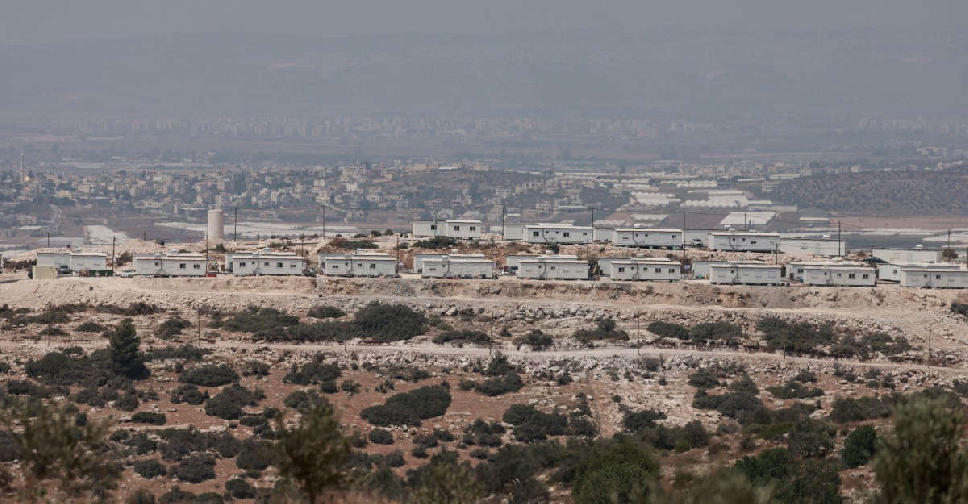 UK, France and Canada sanction Israeli West Bank settlements
 Suspect detained after sabotage attacks on Germany power grid
 Nepal rescue focused on workers trapped in three tunnels
 Indonesia reopens Jakarta airport, four others after Anak Krakatau ash clears
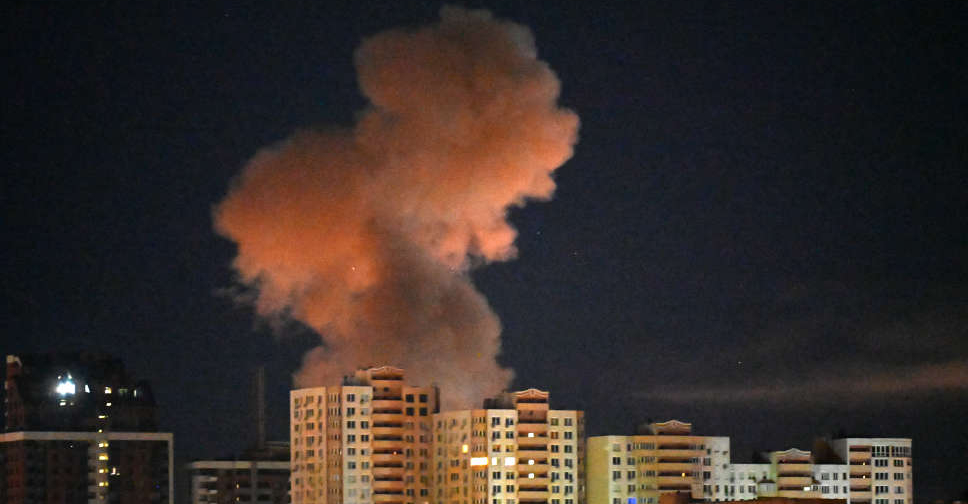 Russia hits Kyiv after brief pause for US envoys' visit, killing two
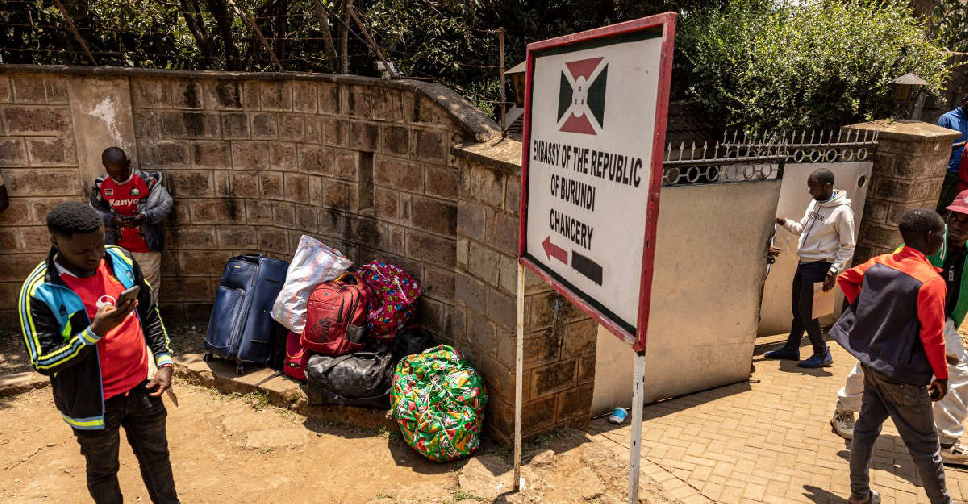 Kenya offers temporary amnesty to undocumented East Africans amid crackdown fears