

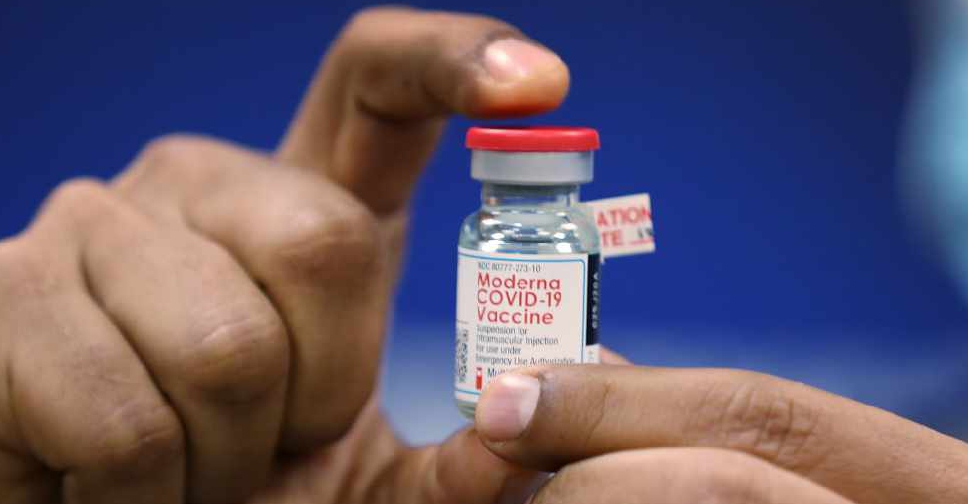
Moderna's COVID-19 vaccine was shown to be effective in adolescents aged 12-17 and showed no new or major safety problems in a clinical trial, the developer said on Tuesday.
The announcement potentially sets the stage for a second vaccine for school-aged children to be authorised in July.
Moderna, whose vaccine is authorised for adults 18 and older, said it will submit the findings of its adolescent study to the US Food and Drug Administration and other regulators for emergency use authorisation in early June.
US regulators took about a month to review a similar study from Pfizer/BioNtech, which was approved for ages 12-15 on May 10.
If Moderna gets the same treatment, its authorisation would come in early July.
Most children with COVID-19 develop only mild symptoms or no symptoms. Yet children remain at risk of becoming seriously ill, and they can spread the virus.
Widely vaccinating 12- to 18-year olds could allow US schools and summer camps to relax masking and social distancing measures suggested by the CDC.
“We are encouraged that mRNA-1273 was highly effective at preventing COVID-19 in adolescents," Stéphane Bancel, Moderna's chief executive, said in a statement.
Moderna's trial evaluated the vaccine in 3,732 adolescents aged 12 to 17, two-thirds of whom got the vaccine and one-third of whom got a placebo.
The main goal was to produce an immune response on par with that seen in the company's large, Phase 3 trial in adults, which was 94.1% effective at preventing COVID-19.
Two weeks after the second dose, researchers found no cases of COVID-19 in the vaccine group compared to 4 cases in the placebo group, resulting in a vaccine efficacy of 100%, based on case definitions from the company's adult trial.
Using a case definition from the US Centers for Disease Control and Prevention, which requires only 1 COVID-19 symptom, the vaccine was found to be 93% effective, suggesting the vaccine may be protective against cases with milder symptoms, the company said.
The researchers found no new safety issues. The most common side effects after the second dose were headache, fatigue, body aches and chills.
The company said it is still accumulating safety data. All study participants will be monitored for 12 months after their second dose to determine long-term protection and safety.
Moderna said it plans to submit the data to a peer-reviewed publication. The company is currently testing its vaccine in children as young as 6 months of age.


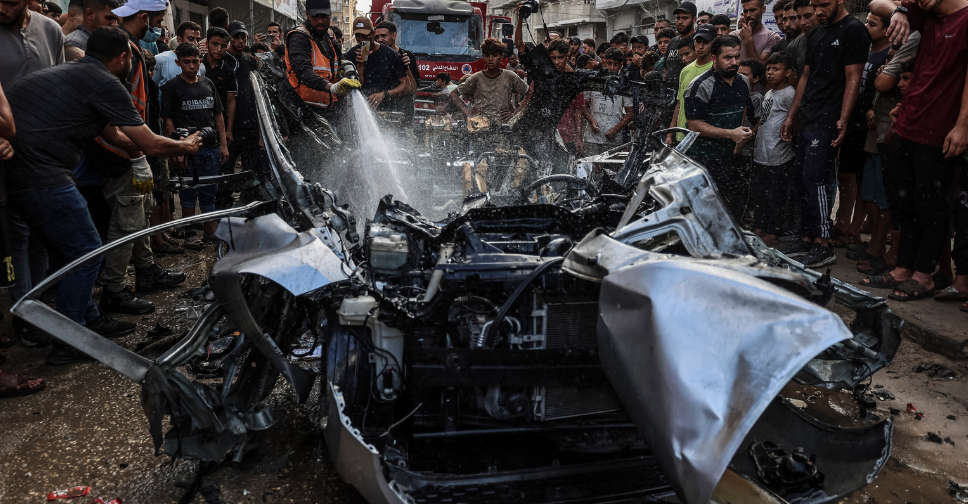 Israeli strike kills 2 in Gaza, medics say
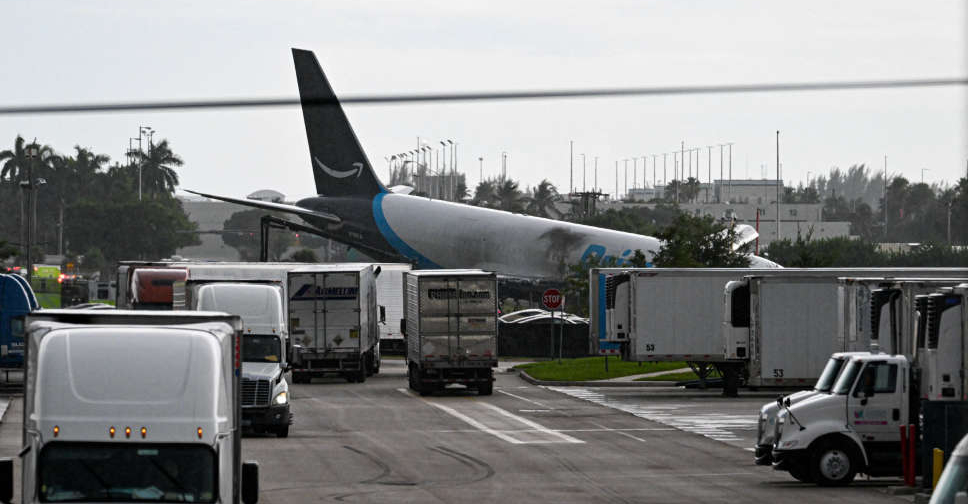 At least 5 killed in Amazon Prime Air cargo plane crash in Miami
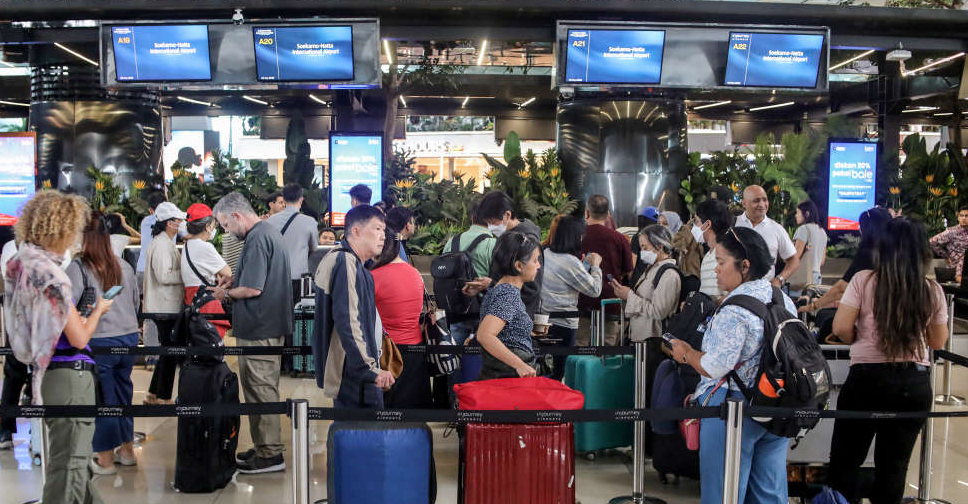 8 Indonesian airports remain shut due to volcanic ash from Anak Krakatau
 US peace envoys meet Zelenskyy in Kyiv after Putin talks
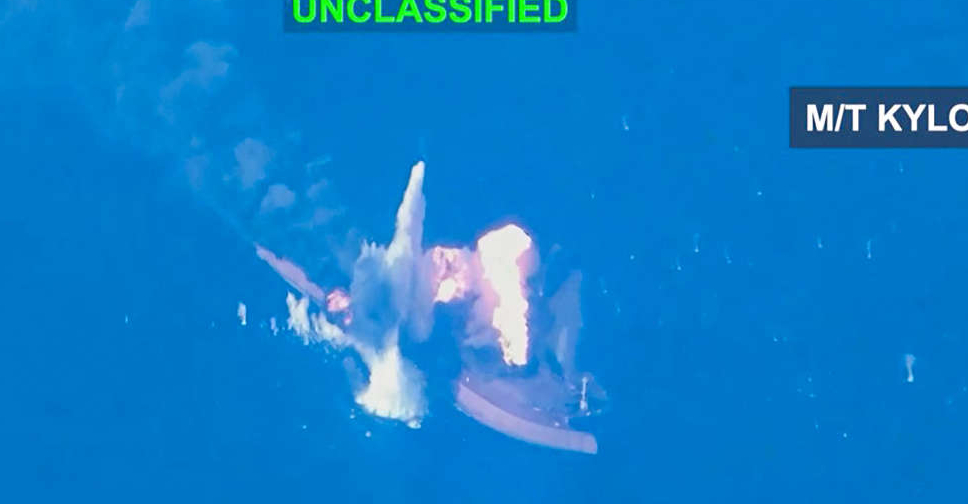 US targets three Iranian oil vessels after attack on Navy ships
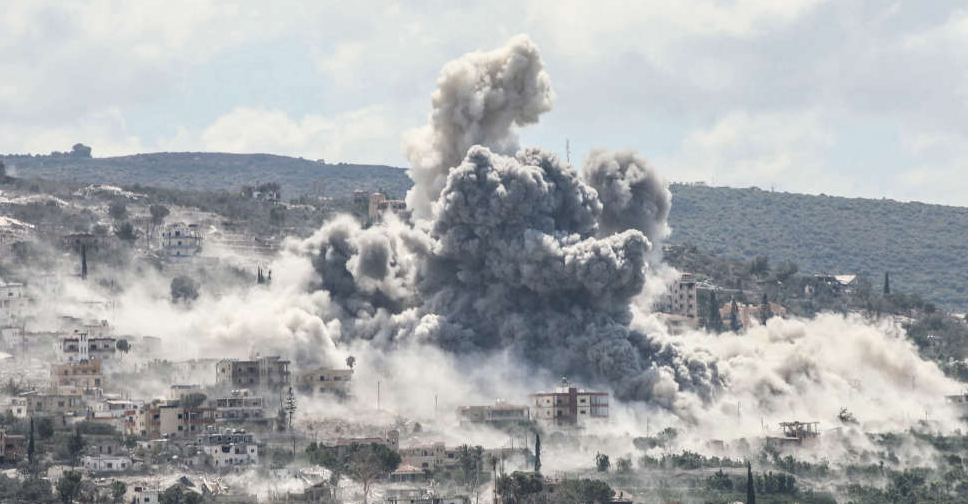 Israeli strikes kill seven in southern Lebanon
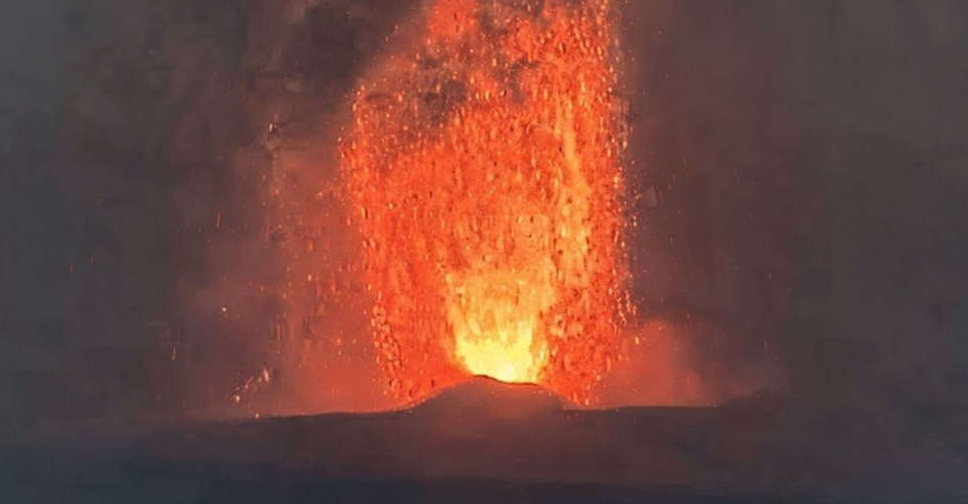 Indonesia's Anak Krakatau eruption halts flights, schools, fishing
 Putin says US-Russia contacts beneficial as talks begin with Witkoff and Kushner