

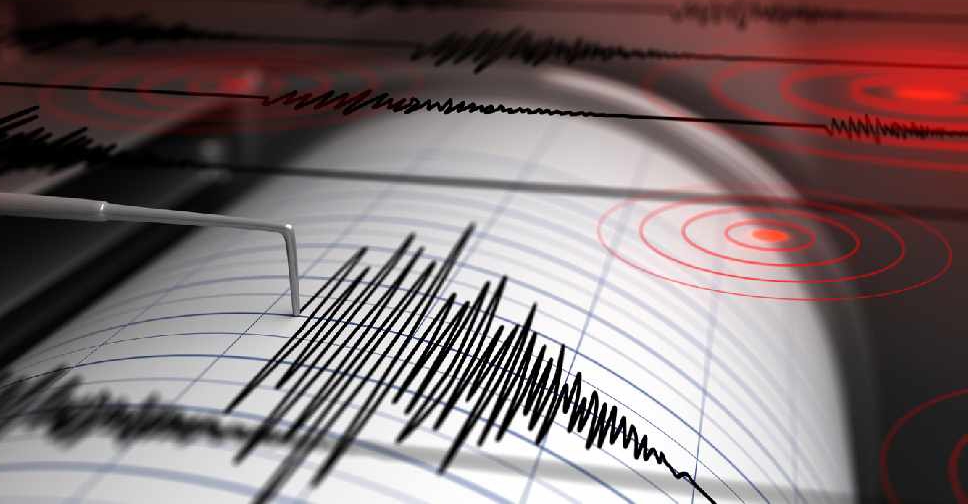
A strong earthquake rattled Afghanistan's western province of Herat on Wednesday, forcing authorities to redeploy relief and rescue teams already in the field following a series of deadly quakes on Saturday.
There were no details on casualties so far, disaster management spokesman Janan Sayeeq told Reuters, but provincial officials said hundreds of homes had been destroyed.
The office of Herat's governor said some areas had suffered "huge losses", without giving details.
"Mobile medical teams and officials have been working together and have transferred several injured people to hospital," the governor's office said in a statement.
Saturday's tremors killed at least 2,400 people and injured more than 2,000, the Taliban-run government said, making the quakes one of the deadliest in the world so far this year.
Most of the casualties in that quake were women and children, the World Health Organisation said.
The German Research Center for Geosciences (GFZ) said the latest quake was a magnitude 6.3, and occurred at a depth of 10 km.
Hemmed in by mountains, Afghanistan has a history of strong earthquakes, many in the rugged Hindu Kush region bordering Pakistan. Herat province borders Iran, which said it would send humanitarian aid.
In the central district of Rubat Sangi, which was rattled by Saturday's quakes, at least 200 homes were partially or completely destroyed, Governor Noor Ahmad Shahab said, adding that residents had suffered "huge financial losses".
There were no casualties reported so far, he said, as many villagers were already sleeping out in the open or in tents since the earlier earthquakes.
"People need urgent aid," Shahab said, adding that survivors were falling ill from the colder autumn weather.
Relief and rescue efforts after Saturday's earthquakes have been hampered by infrastructure left crumbling by decades of war and a lack of foreign aid which once formed the backbone of the economy but which has dried up since the Taliban took over.
Afghanistan's healthcare system, largely reliant on foreign aid, has also faced crippling cuts.
The European Union said it would provide 2.5 million euros ($2.65 million) to humanitarian partners working to provide relief, in addition to the 89 million euros in humanitarian aid already allocated in 2023.
It also offered shelter kits, winter tents and hygiene kit, among other relief supplies.
Pakistan, Iran, Turkey, and China have already pledged to send in food, blankets, medicines, tents and funds. The United Nation's humanitarian office has also announced $5 million worth of assistance.


 Putin says US-Russia contacts beneficial as talks begin with Witkoff and Kushner
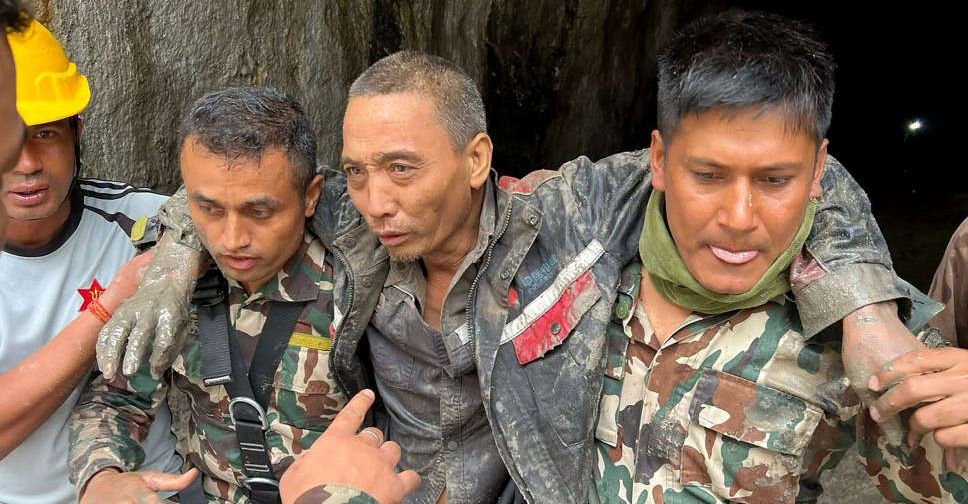 Chinese national rescued from Nepal tunnel 10 days after flash flood
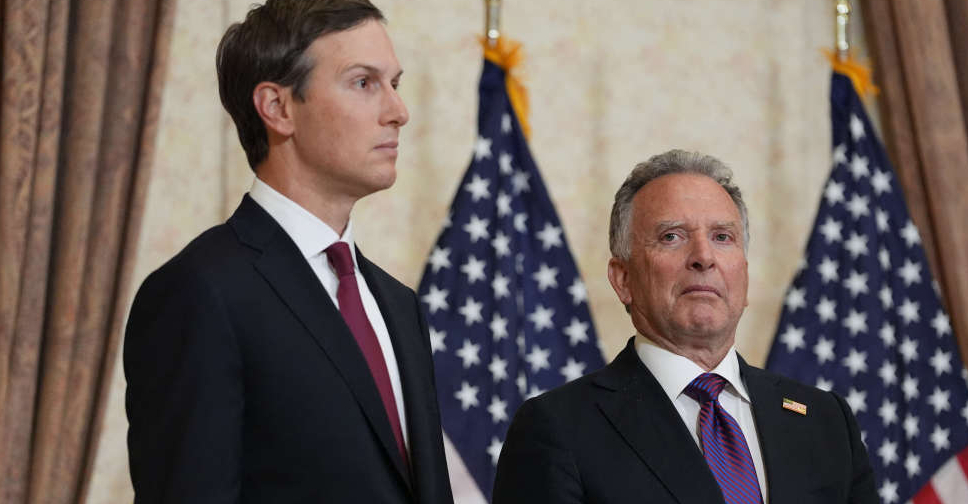 US envoys Witkoff, Kushner arrive in Moscow for talks on peace in Ukraine
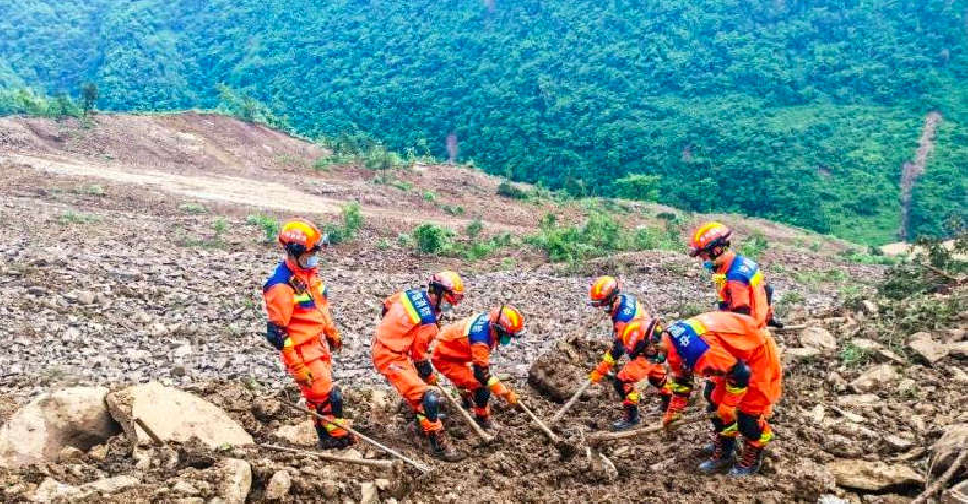 One dead, 11 people missing after mudslide in China's Jiangxi province
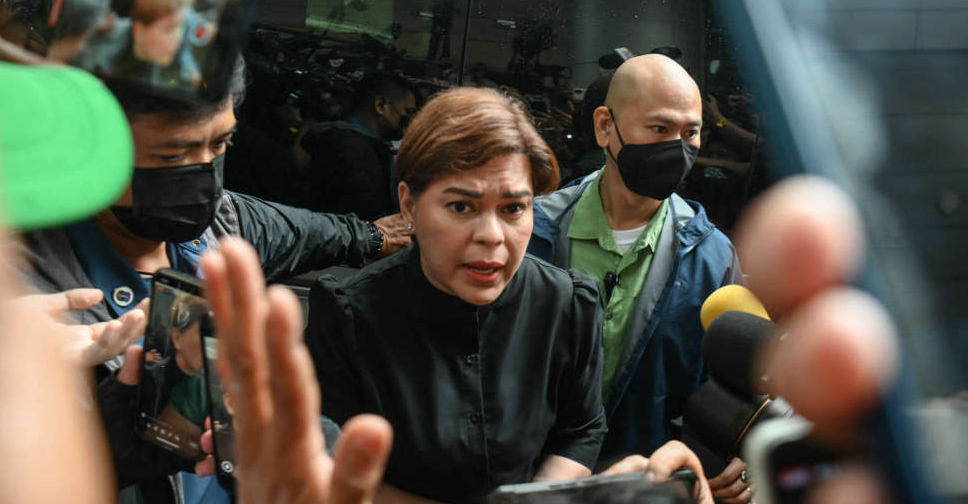 Philippine VP Duterte posts bail after arrest order for alleged grave threats
 Lindsay Clancy trial over killing her children ends in mistrial
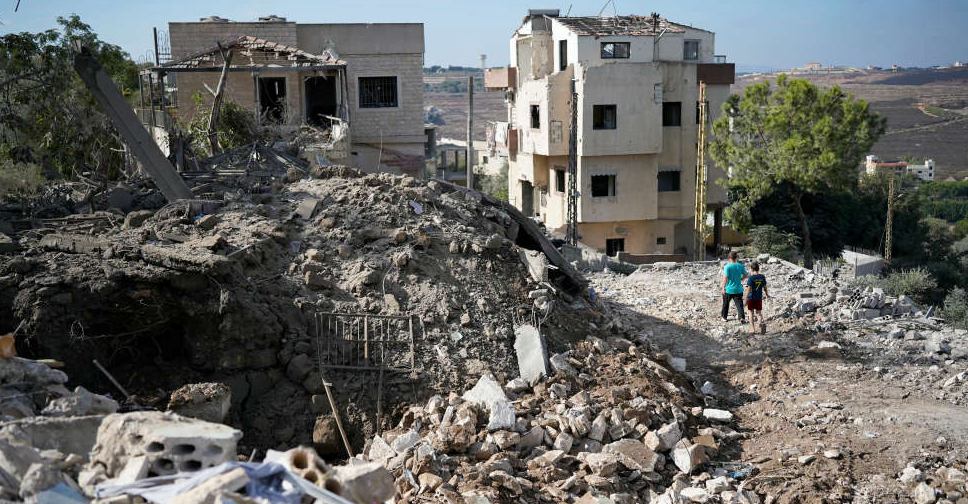 Israel says it strikes southern Lebanon after Hezbollah drone launch
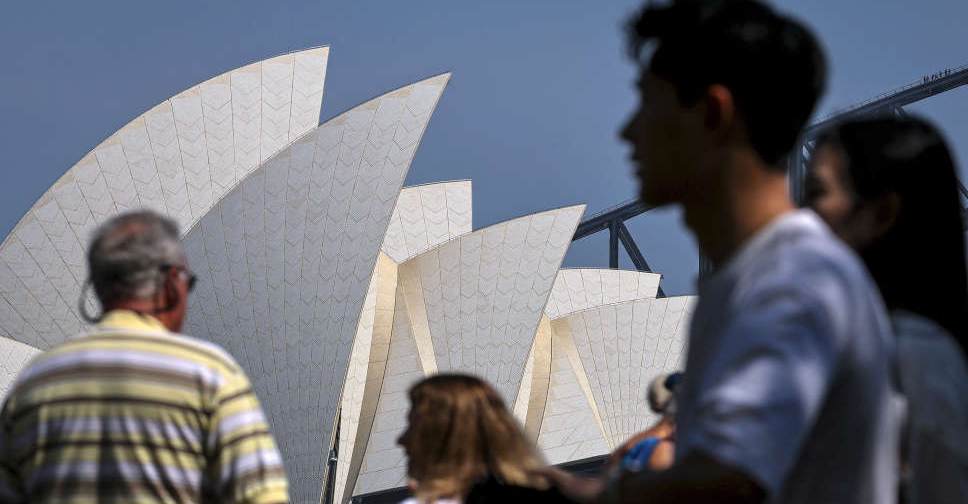 Sydney sweats in spring hot spell, faces 'extreme' bushfire risk