

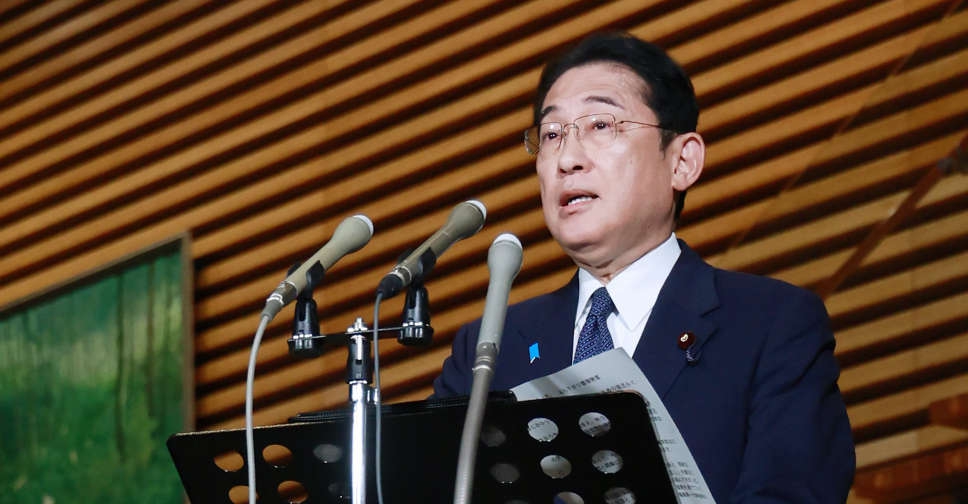
Japan said on Tuesday it will start releasing more than 1 million metric tonnes of treated radioactive water from the wrecked Fukushima nuclear power plant on August 24, putting into motion a plan that has drawn strong criticism from China.
The plan, approved two years ago by the Japanese government as crucial to decommissioning the plant operated by Tokyo Electric Power Company (Tepco), has also faced criticism from local fishing groups, who fear reputational damage and a threat to their livelihood.
"I have asked Tepco to swiftly prepare for the water discharge in accordance with the plan approved by the Nuclear Regulation Authority, and expect the water release to start on August 24, weather conditions permitting," Prime Minister Fumio Kishida said on Tuesday morning.
Japan has said that the water release is safe. The International Atomic Energy Agency (IAEA), the UN nuclear watchdog, greenlighted the plan in July, saying that it met international standards and that the impact it would have on people and the environment was "negligible".
Still, some neighbouring countries have expressed scepticism over the safety of the plan, with Beijing emerging as the biggest critic. Foreign ministry spokesman Wang Wenbin said in July that Japan had shown selfishness and arrogance, and had not fully consulted the international community about the water release.
China bans seafood imports from 10 prefectures in Japan, including Fukushima and the capital, Tokyo. Seafood imports from other prefectures are allowed but must pass radioactivity tests and have proof they were produced outside the 10 banned prefectures.
South Korean activists have also protested the plan, although Seoul has concluded from its own study that the water release meets international standards and said it respects the IAEA's assessment.
Japan says the water will be filtered to remove most radioactive elements except for tritium, an isotope of hydrogen that is difficult to separate from water. The treated water will be diluted to well below internationally approved levels of tritium before being released into the Pacific.
The water was used to cool the fuel rods of Fukushima Daiichi after it melted down in an accident caused by a tsunami in 2011 that battered Japan's eastern coast.


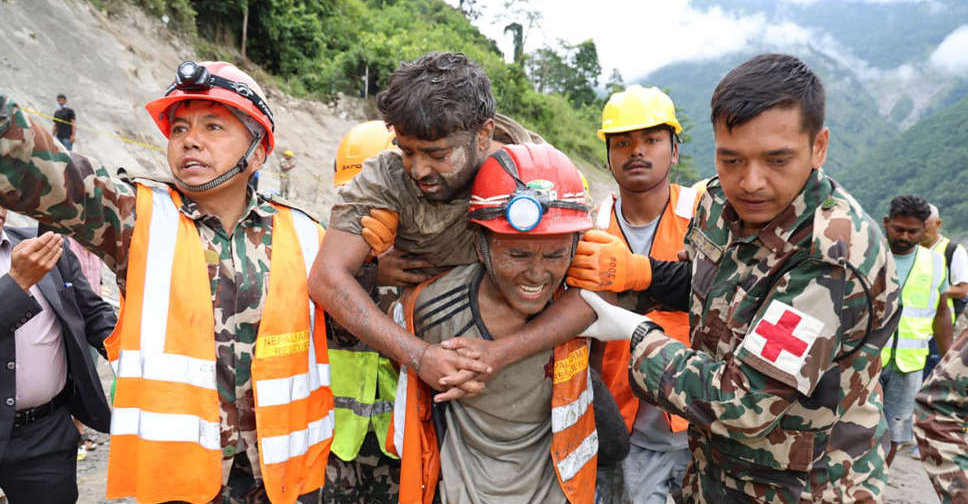 Nine days after disaster, two pulled alive from Nepal hydropower tunnel
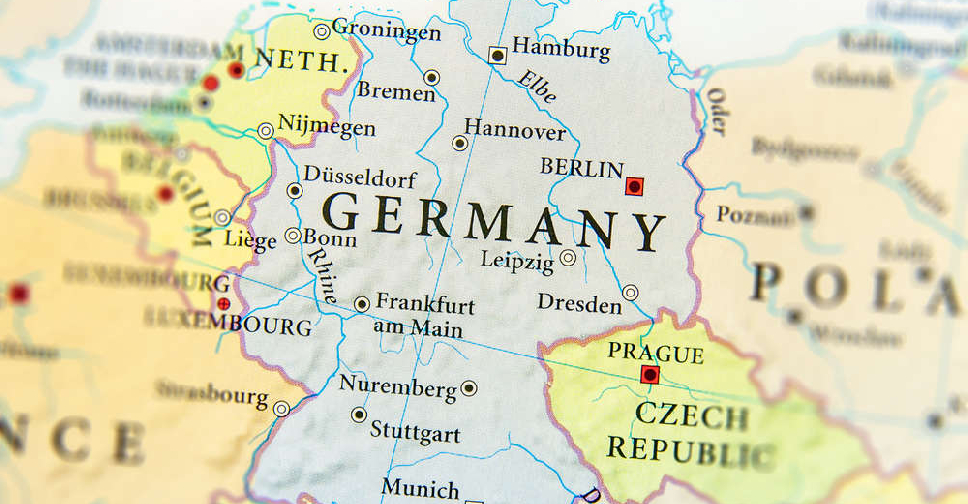 Germany launches manhunt after spate of sabotage attacks on power grid
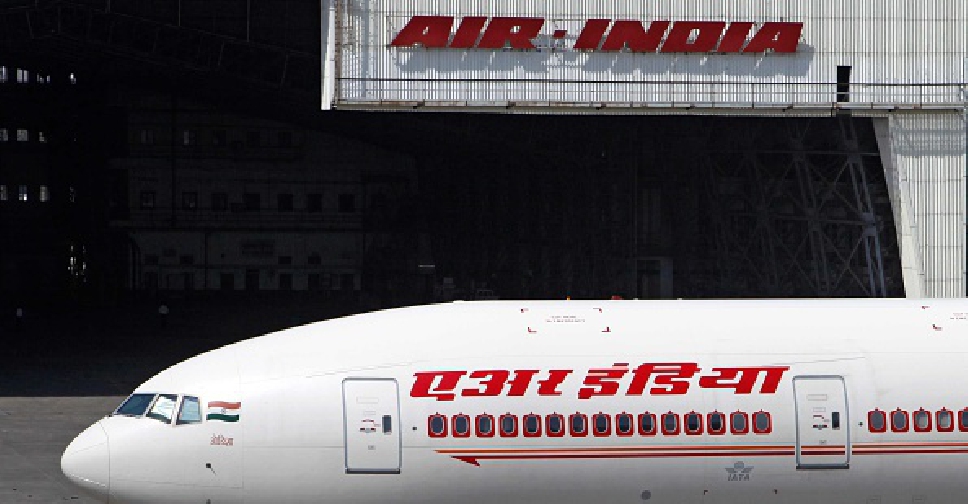 Air India sack Phuket-Delhi pilot who failed drug test
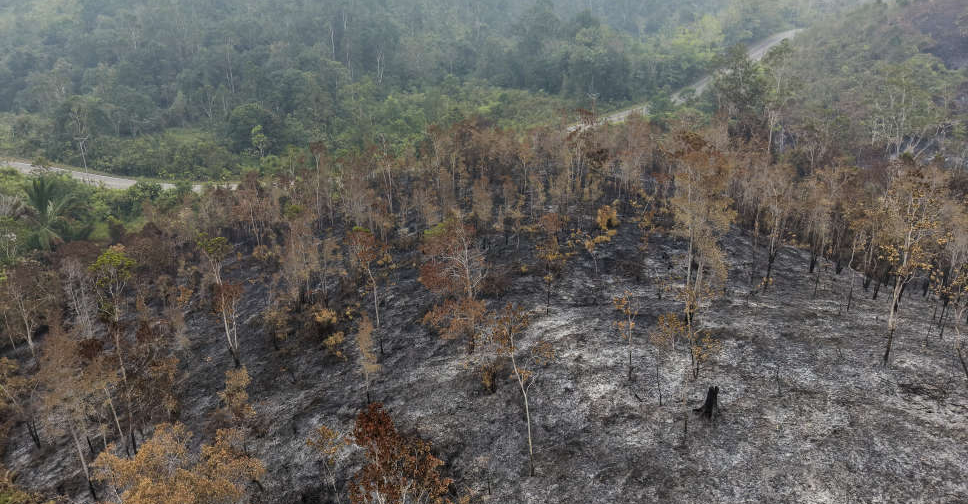 Wildfires spread near Indonesia's new capital, prompting calls for action
 Philippine court issues warrant for VP Duterte's arrest in grave threats case
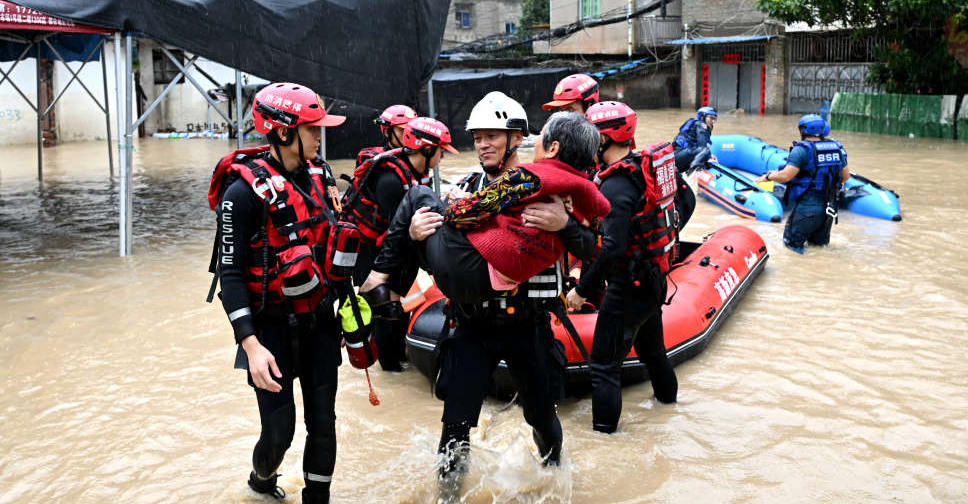 Typhoon Saudel brings torrential rain, flooding to China's coastal areas
 US investigates deadly strike on Iranian wedding
 India food safety crackdown targets company of Nepal's 'Noodle King'