

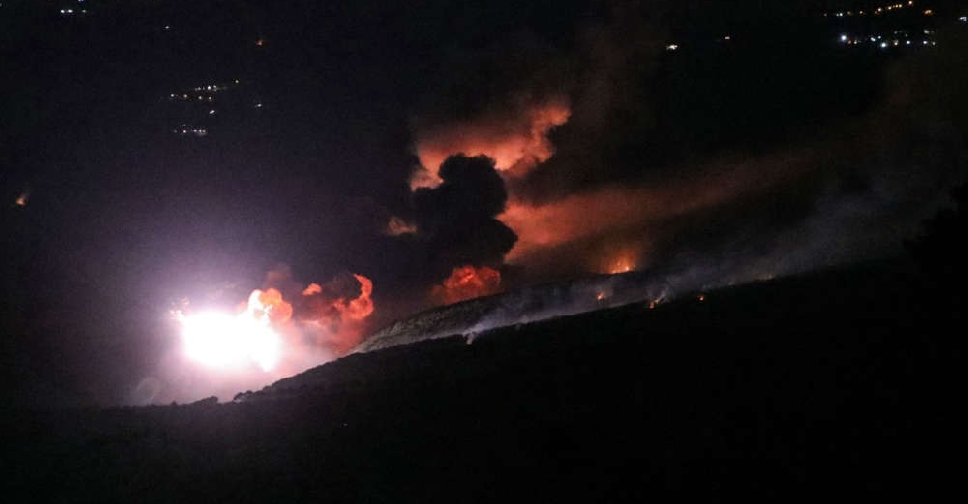
Israeli warplanes carried out late on Thursday their most intense strikes on southern Lebanon in nearly a year of war, heightening the conflict between Israel and Lebanese armed group Hezbollah amid calls for restraint.
The White House said a diplomatic solution was achievable and urgent, and Britain called for an immediate ceasefire between Israel and Hezbollah. The US is, "afraid and concerned about potential escalation," White House spokesperson Karine Jean-Pierre told a briefing.
The intense barrage followed attacks earlier in the week attributed by Lebanon and Hezbollah to Israel that blew up Hezbollah radios and pagers, killing 37 people and wounding about 3,000 in Lebanon.
In Thursday's late operation, Israel's military said its jets over two hours struck hundreds of multiple-rocket-launcher barrels in southern Lebanon that were set to be fired immediately toward Israel.
The bombardment included more than 52 strikes across southern Lebanon, Lebanon's state news agency NNA said. Three Lebanese security sources said these were the heaviest aerial strikes since the conflict began in October.
There were no immediate reports of casualties.
Israel's military vowed to continue to attack Hezbollah and said its strikes throughout Thursday hit about 100 rocket launchers plus other targets in southern Lebanon.
In a TV address on Thursday, Hezbollah leader Hassan Nasrallah said the device explosions on Tuesday and Wednesday "crossed all red lines".
"The enemy went beyond all controls, laws and morals," he said, adding the attacks "could be considered war crimes or a declaration of war."
Israel has not directly commented on the pager and radio detonations, which security sources say were probably carried out by its Mossad spy agency, which has a long history of carrying out sophisticated attacks on foreign soil.
The Lebanese mission to the U.N. said in a letter to the Security Council on Thursday that Israel was responsible for detonating the devices via electronic messages and explosives implanted in them before they arrived in Lebanon, in line with theories that have circulated since the explosions.
The 15-member Security Council is due to meet on Friday over the blasts. Lebanese Prime Minister Najib Mikati called on the Security Council to take a firm stand to stop Israel's "aggression" and "technological war".

 Chinese national rescued from Nepal tunnel 10 days after flash flood
 US envoys Witkoff, Kushner arrive in Moscow for talks on peace in Ukraine
 One dead, 11 people missing after mudslide in China's Jiangxi province
 Philippine VP Duterte posts bail after arrest order for alleged grave threats
 Lindsay Clancy trial over killing her children ends in mistrial
 Israel says it strikes southern Lebanon after Hezbollah drone launch
 Sydney sweats in spring hot spell, faces 'extreme' bushfire risk
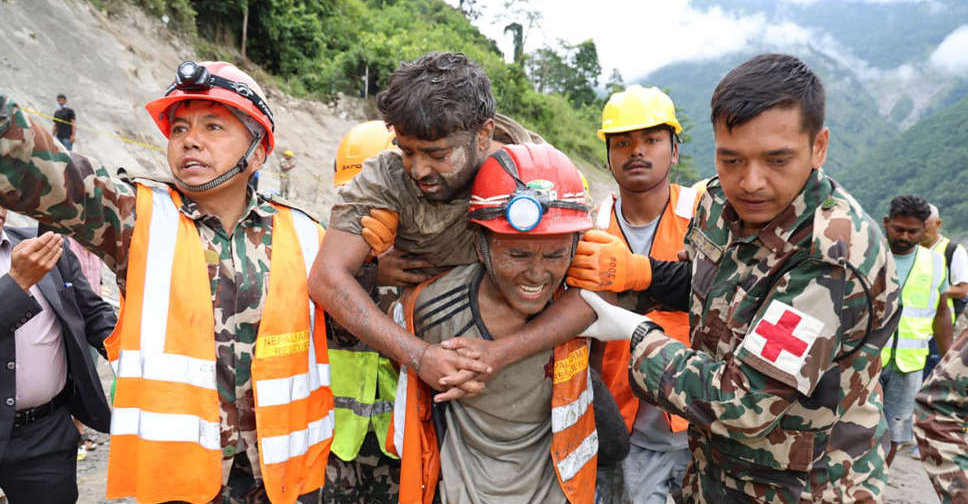 Nine days after disaster, two pulled alive from Nepal hydropower tunnel