

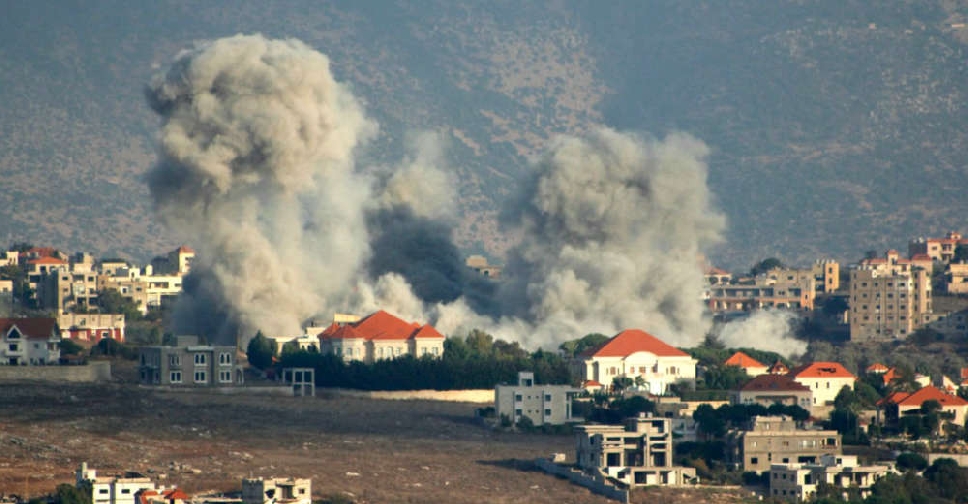
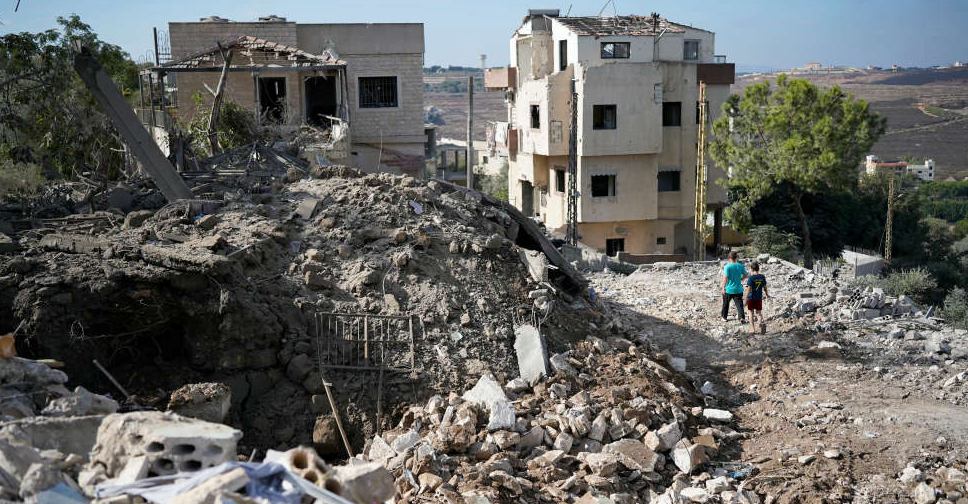
Israel's military said it had begun ground operations in southwest Lebanon, expanding its incursions to a new zone, a year after exchanges of fire began with armed group Hezbollah and after pleas by the U.N. for a diplomatic solution.
The regional tensions triggered a year ago by Palestinian armed group Hamas's attack on southern Israel have spiralled to a string of Israeli operations by land and air over Lebanon and direct attacks by Iran onto Israeli military installations.
On Tuesday Iran warned Israel against any attacks on the Islamic Republic, a week after Tehran fired a barrage of missiles on it, putting the Middle East on edge.
Any attack on Iran's infrastructure will be met with retaliation, Foreign Minister Abbas Araqchi said, warning Israel against attacks on his country.
Araqchi will visit Saudi Arabia and other countries in the Middle East starting on Tuesday to discuss regional issues and work on stopping Israel's "crimes" in Gaza and Lebanon, Iran's ISNA news agency reported.
Gulf Arab states - most of them major energy exporters like Iran - have sought to reassure Tehran of their neutrality in the Iran-Israel conflict, sources told Reuters last week.
In Lebanon, the Israeli military piled more pressure on Lebanon's Iran-backed Hezbollah, saying it was conducting "limited, localised, targeted operations" in Lebanon's southwest after announcing such operations for the southeast border area.
Israel's military struck Beirut's southern suburbs overnight and said it killed a senior Hezbollah responsible for the group's budgeting and logistics.
If confirmed, the death of Suhail Hussein Husseini would be the latest in a string of Israel's assassinations of leaders and commanders of Hezbollah and its ally Hamas.
In the biggest blow to Hezbollah in decades, Israel killed its leader Hassan Nasrallah with an air strike in Beirut's southern suburbs late last month.
The United Nations Special Coordinator for Lebanon and the head of the U.N.'s peacekeeping mission in the country said on Tuesday that their repeated appeals for restraint had "gone unheeded" in the year since the exchanges of fire began between Hezbollah and Israel.
"Today, one year later, the near-daily exchanges of fire have escalated into a relentless military campaign whose humanitarian impact is nothing short of catastrophic," they said in a joint statement.
The attacks have raised fears that the US, Israel's closest ally, and Iran would be sucked into a full-blown conflict in the oil producing Middle East.

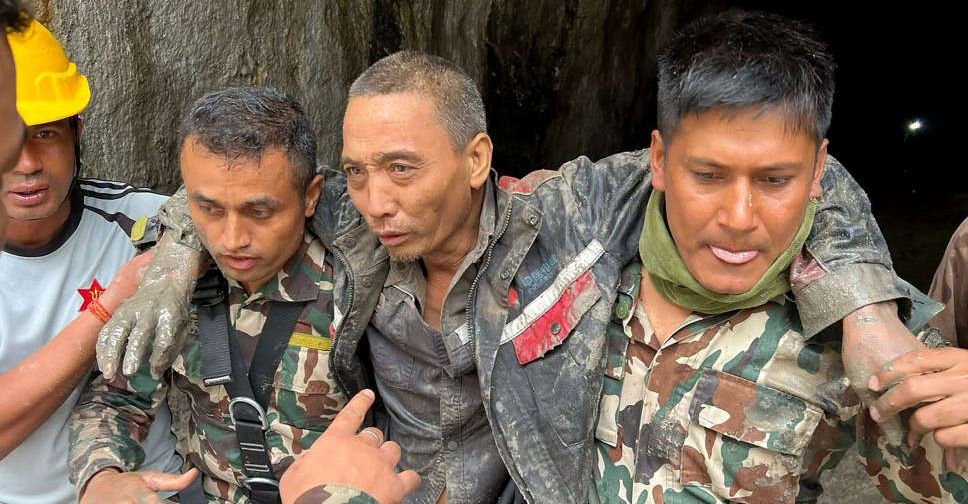 Chinese national rescued from Nepal tunnel 10 days after flash flood
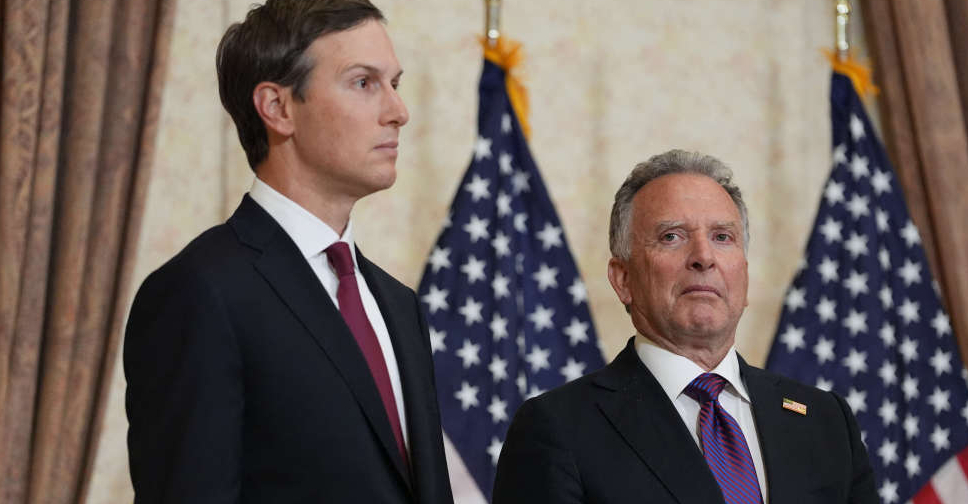 US envoys Witkoff, Kushner arrive in Moscow for talks on peace in Ukraine
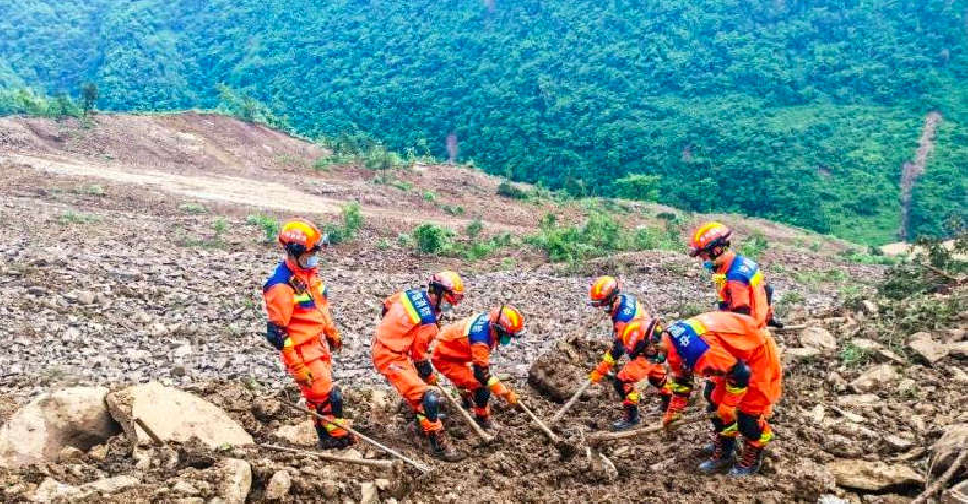 One dead, 11 people missing after mudslide in China's Jiangxi province
 Philippine VP Duterte posts bail after arrest order for alleged grave threats
 Lindsay Clancy trial over killing her children ends in mistrial
 Israel says it strikes southern Lebanon after Hezbollah drone launch
 Sydney sweats in spring hot spell, faces 'extreme' bushfire risk
 Nine days after disaster, two pulled alive from Nepal hydropower tunnel