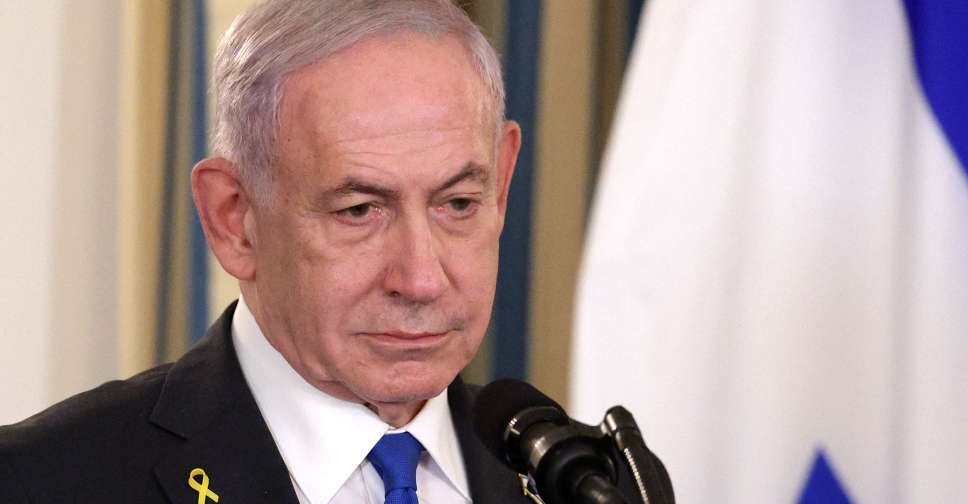
Israel has approved a deal that will supply natural gas to Egypt, Israeli Prime Minister Benjamin Netanyahu said on Wednesday, describing it as the country's largest-ever gas deal.
Israel signed the export agreement in August with Chevron and its partners, NewMed and Ratio, to supply up to $35 billion of gas to Egypt from the Leviathan natural gas field.
"I have today approved the largest gas deal in Israel's history. The deal is for 112 billion shekels ($34.67 billion)," Netanyahu said in a televised statement.
He added that the deal, which had been held up over some outstanding issues, would help secure stability in the region.
It should ease an energy crisis in Egypt, which has spent billions of dollars importing liquefied natural gas since its own supplies fell short of demand.
A Chevron spokesperson said the company welcomed Israel's decision to issue a permit for the export of natural gas from the Leviathan reservoir to Egypt.
Chevron had said in November it was nearing a final investment decision for expanding the Leviathan gas field off Israel's Mediterranean coast, but was awaiting an Israeli permit to export the gas to Egypt.
Under the deal, Leviathan, which has reserves of some 600 billion cubic metres, will sell about 130 bcm of gas to Egypt through 2040 or until all contract values are fulfilled, said NewMed in a statement.
Egypt's production began declining in 2022, forcing it to abandon its ambitions to become a regional supply hub. It has increasingly turned to Israel to make up the shortfall.

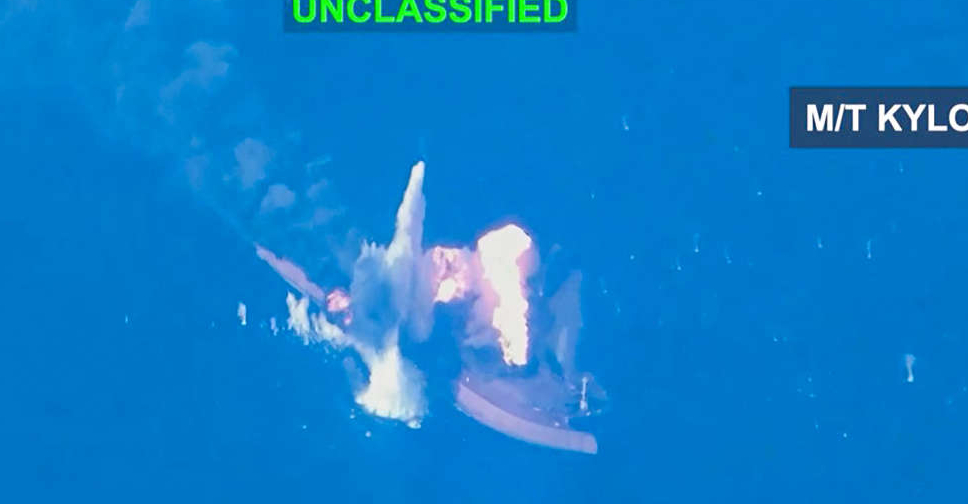 US targets three Iranian oil vessels after attack on Navy ships
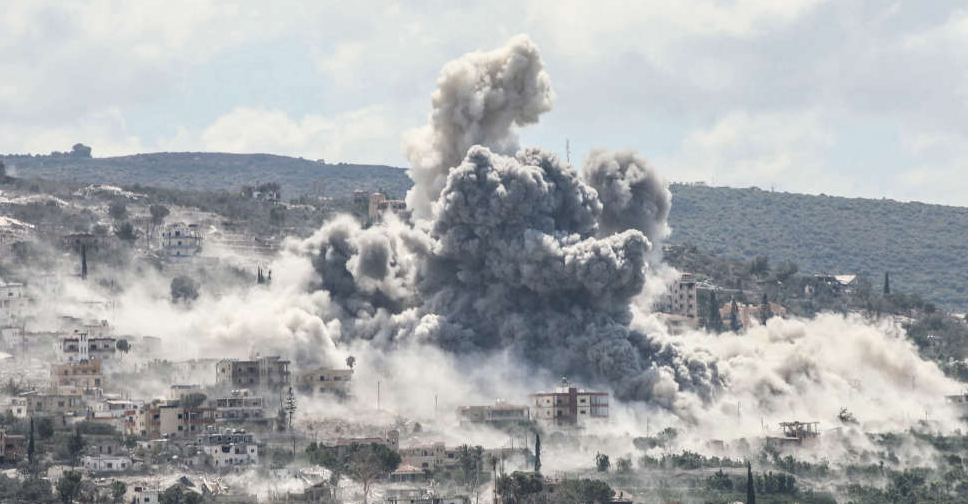 Israel launches strikes on southern Lebanon
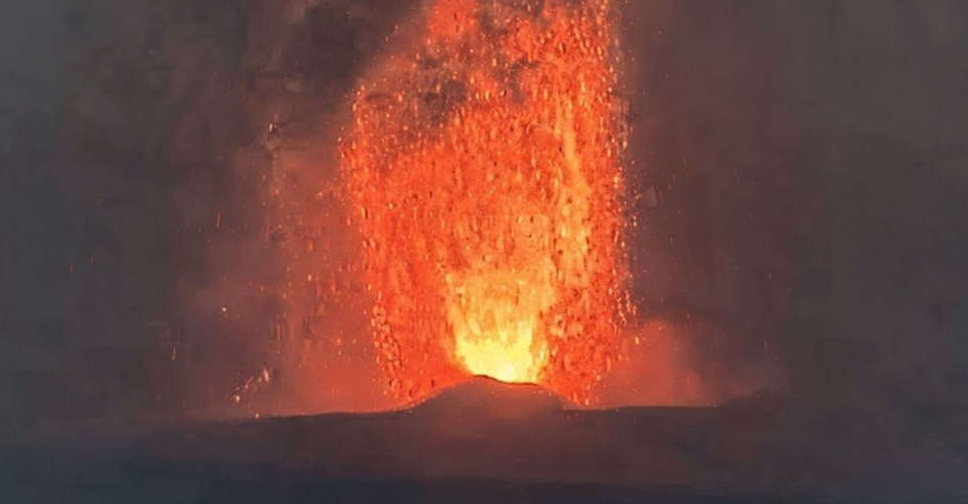 Indonesia's Anak Krakatau eruption halts flights, schools, fishing
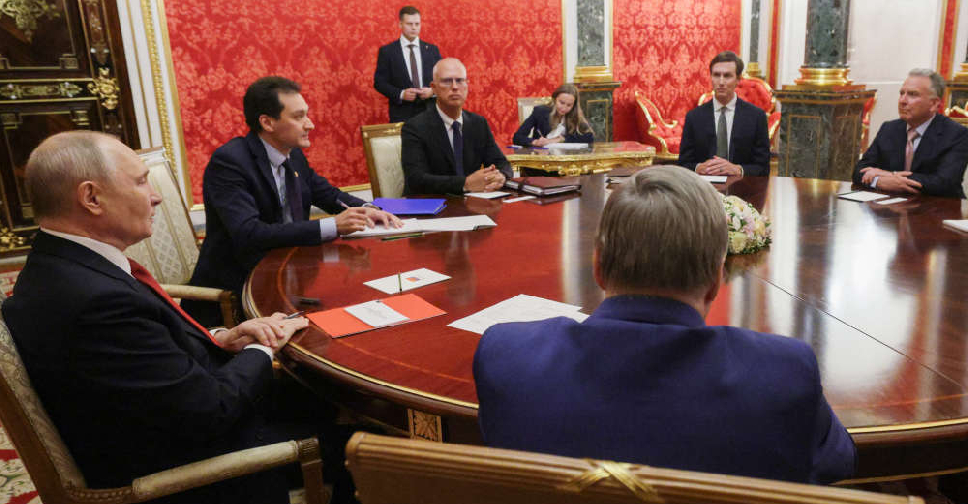 Putin says US-Russia contacts beneficial as talks begin with Witkoff and Kushner
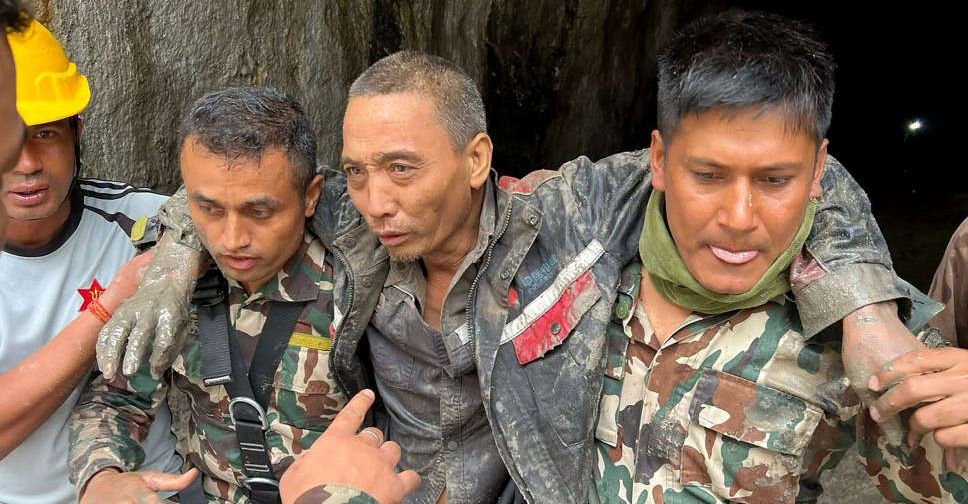 Chinese national rescued from Nepal tunnel 10 days after flash flood
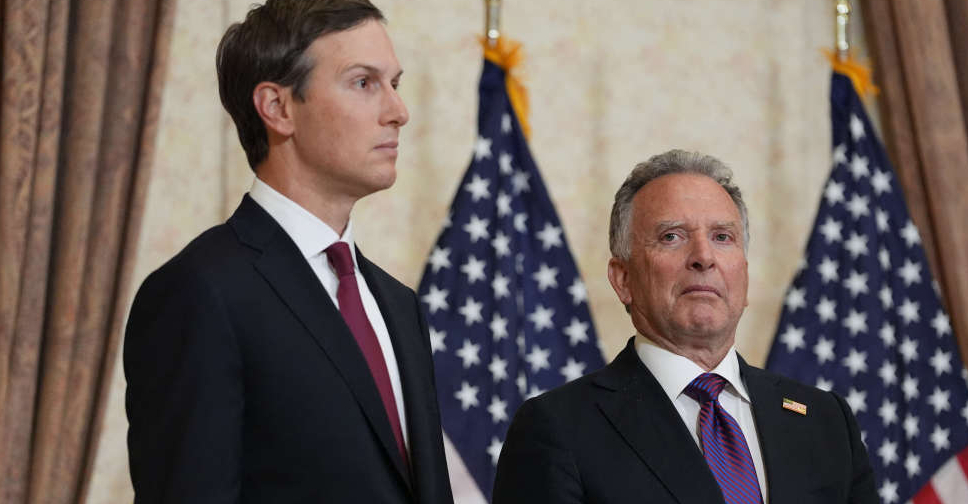 US envoys Witkoff, Kushner arrive in Moscow for talks on peace in Ukraine
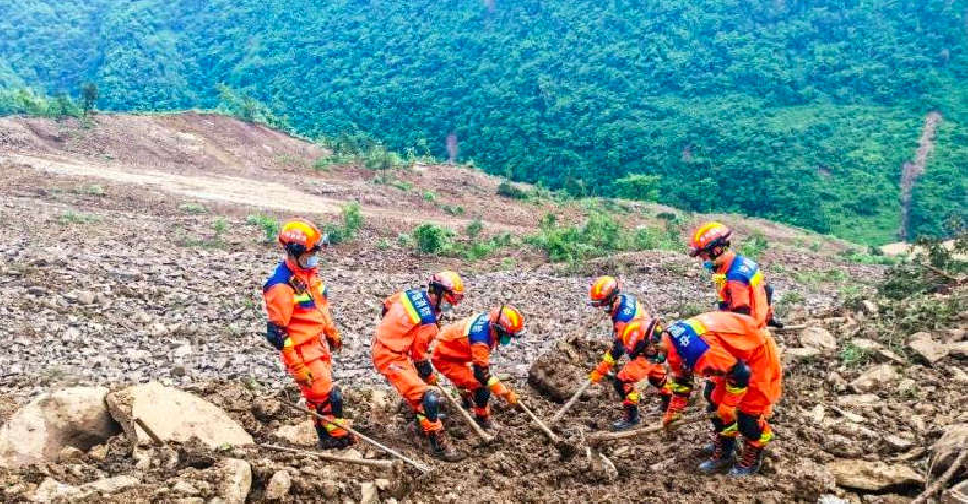 One dead, 11 people missing after mudslide in China's Jiangxi province
 Philippine VP Duterte posts bail after arrest order for alleged grave threats