

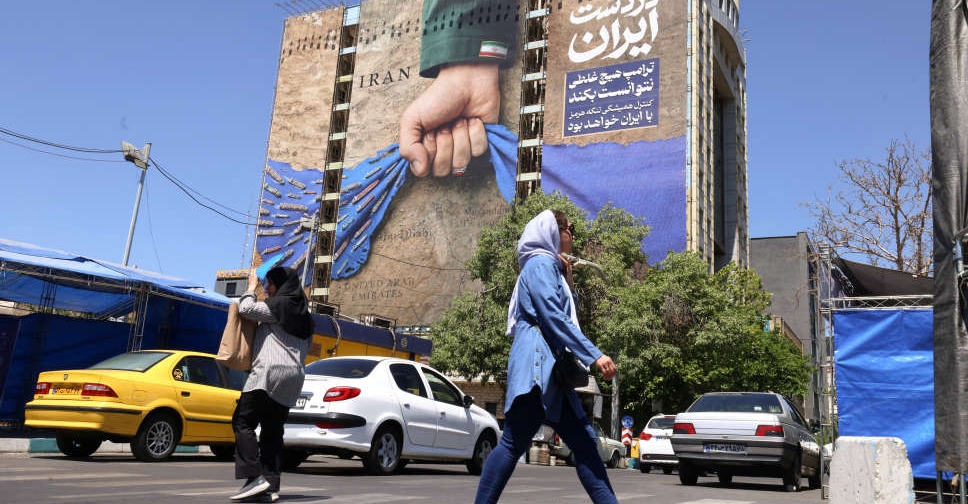
Iran is reviewing a proposed agreement with the United States to halt the war between the two countries, Iran's Mehr news reported on Tuesday, after US President Donald Trump said talks to reach a deal were continuing.
More than three months after the US and Israel launched strikes against Iran, the conflict has hardened into a stalemate while largely indirect talks to negotiate an interim deal have proved inconclusive, leaving the Strait of Hormuz largely shut.
Iran has not yet responded to a proposed final text of the temporary deal, and was taking a "stern" approach given what it sees as a history of US non-compliance and longstanding mistrust, Mehr cited a source as saying.
Trump said on Monday that negotiations with Iran were continuing and there would be a deal to extend the ceasefire and reopen the Strait of Hormuz over the next week.
Since mid-March, Trump has repeatedly said he is close to signing a peace agreement. A ceasefire has largely held since early April, though Iran and the US have exchanged strikes several times over the past week.
Oil prices fell more than 1 per cent on Tuesday, paring the previous day's sharp gains, though a senior International Energy Agency official warned that global oil inventories could hit historically low levels.
ISRAEL KEEPS UP STRIKES IN LEBANON
The war that began on February 28 has killed thousands of people, mainly in Iran and Lebanon. It has caused global economic pain by pushing up energy prices since Iran effectively closed the Strait of Hormuz, which previously carried about a fifth of global supplies of oil and liquefied natural gas.
It also triggered the latest round of conflict between Israel and Hezbollah, with Israel pursuing its deepest incursion into Lebanon in 25 years.
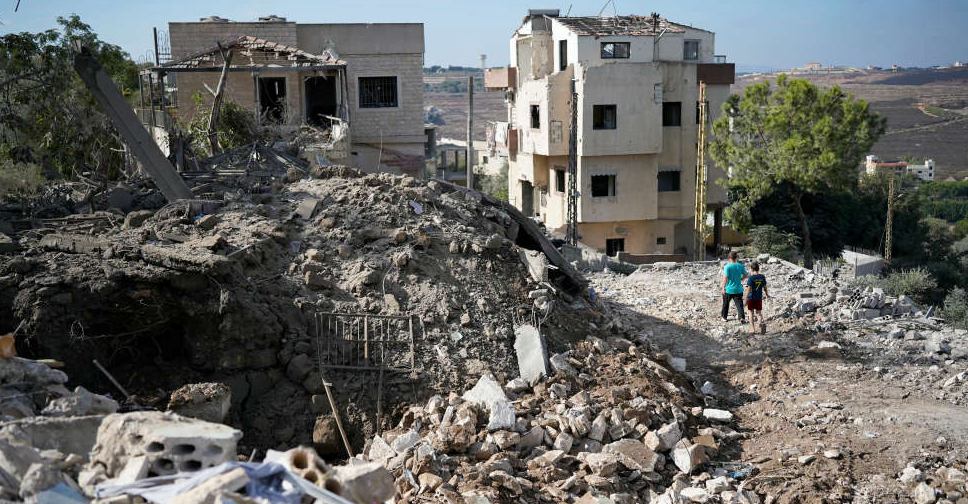
On Tuesday, Israel kept up strikes in southern Lebanon, Lebanese security sources said, a day after US mediation appeared to have averted any further escalation of that war.
A partial ceasefire announced by Lebanon on Monday would entail Israel refraining from strikes on Beirut and Hezbollah-controlled suburbs of the Lebanese capital, while the group would halt its attacks on Israel.
Lebanon said it would seek to expand the ceasefire in talks with Israel in Washington on Wednesday.
Israeli Prime Minister Benjamin Netanyahu is facing criticism domestically over any agreement to hold back from further attacks on Beirut, ahead of an election later this year that he is projected to lose.
IRAN PUSHES FOR LIMITED DEAL
In the wider war, Iran is pushing for a limited interim agreement as it tries to ease mounting economic pressure while avoiding major concessions on its nuclear programme, according to Iranian sources.
As part of any deal, Tehran is seeking an end to hostilities across all fronts, including Lebanon, access to billions of dollars in oil revenues, waivers on crude exports, a lifting of a US blockade on its ports, and continued leverage over the Strait of Hormuz.
Trump is under pressure to reopen the strait and curb US fuel prices while not making concessions to Iran.
Iran's Revolutionary Guards said on Tuesday that 24 vessels had transited the strait in the past 24 hours after obtaining permission from the Guards' navy.
Iran threatened on Monday to expand its blockade to the Bab El Mandeb Strait, another chokepoint at the mouth of the Red Sea, if Israel resumed strikes on Beirut.

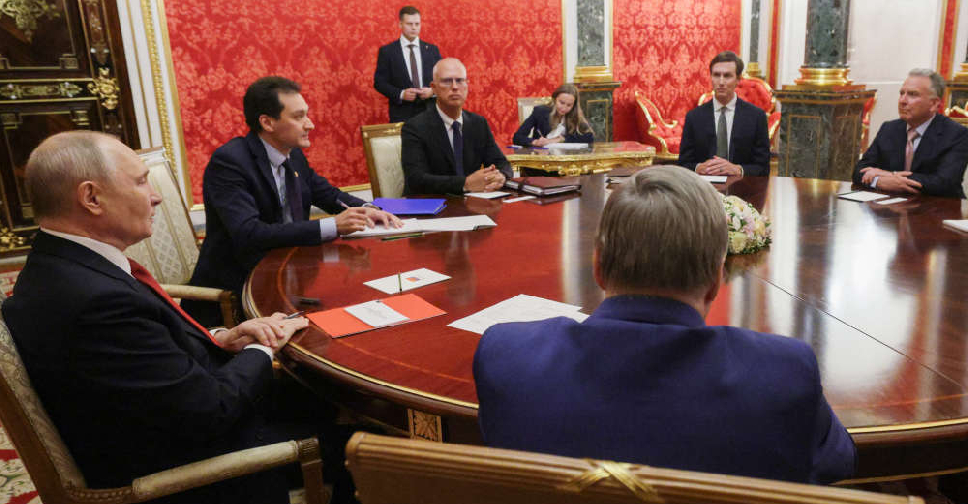 Putin says US-Russia contacts beneficial as talks begin with Witkoff and Kushner
 Chinese national rescued from Nepal tunnel 10 days after flash flood
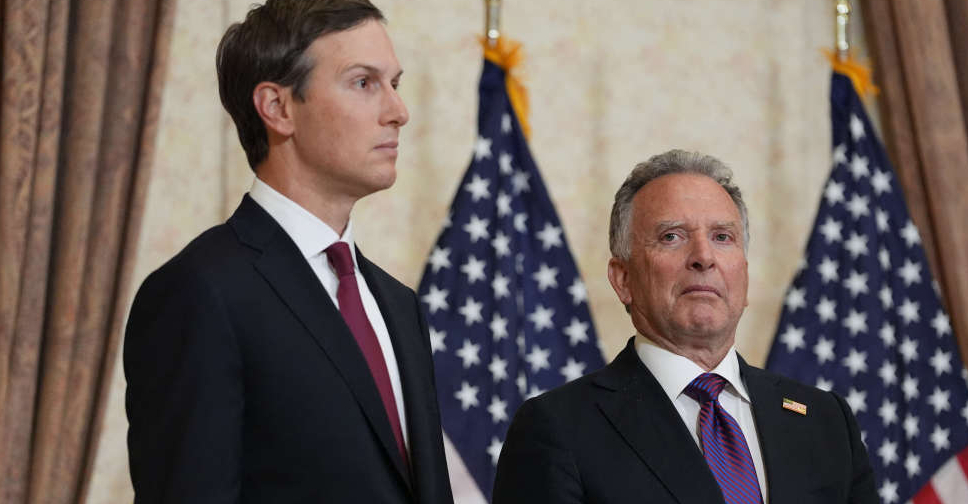 US envoys Witkoff, Kushner arrive in Moscow for talks on peace in Ukraine
 One dead, 11 people missing after mudslide in China's Jiangxi province
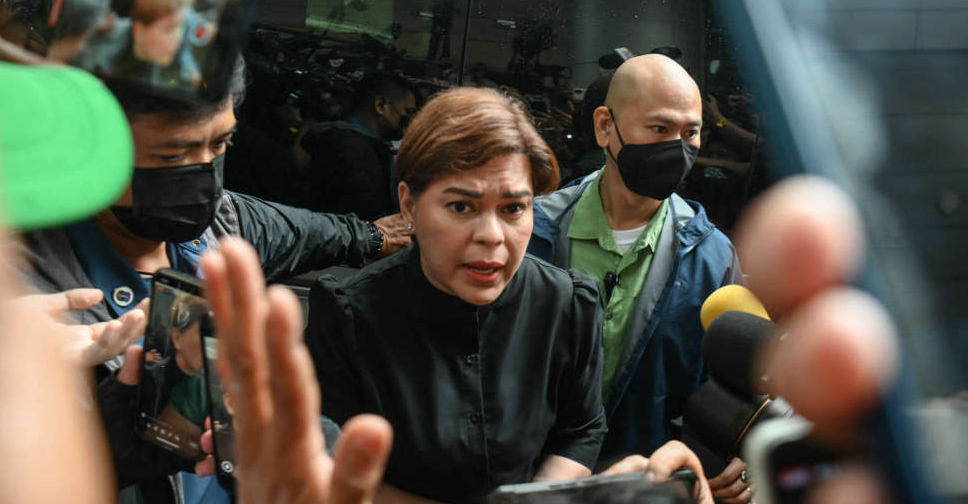 Philippine VP Duterte posts bail after arrest order for alleged grave threats
 Lindsay Clancy trial over killing her children ends in mistrial
 Israel says it strikes southern Lebanon after Hezbollah drone launch
 Sydney sweats in spring hot spell, faces 'extreme' bushfire risk