

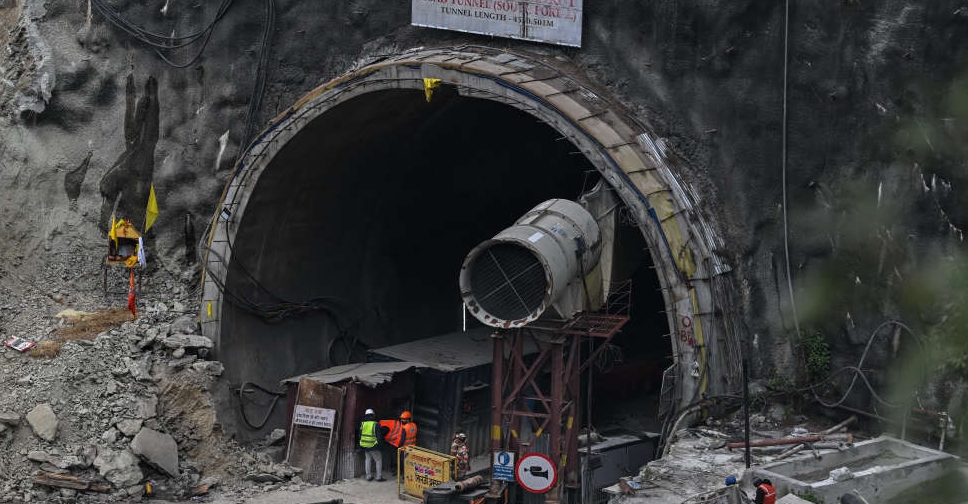
Indian rescuers led by "rat miners" drilled through rocks and debris on Tuesday to reach 41 construction workers trapped in a collapsed tunnel in the Himalayas for 17 days.
The process of pulling out the 41 low-wage workers, one at a time on wheeled stretchers through a pipe 90 cm wide, was due to begin soon, officials said.
"Work of laying pipes in the tunnel to take out workers has been completed," Uttarakhand state chief minister Pushkar Singh Dhami said on the X social media platform.
"Soon, all the labourer brothers will be taken out."
The men have been stuck in the 4.5 km tunnel since it collapsed on November 12.
They have been getting food, water, light, oxygen and medicines through a pipe but efforts to dig a tunnel to rescue them with high-powered drilling machines were frustrated by a series of snags.
Government agencies managing the unprecedented crisis turned on Monday to "rat miners" to drill through the rocks and gravel by hand from inside a 90 cm wide evacuation pipe pushed through the debris after machinery failed.
The miners are experts at a primitive, hazardous and controversial method used mostly to get at coal deposits through narrow passages, and get their name because they resemble burrowing rats.
The miners, brought from central India, worked through Monday night and finally broke through the estimated 60-metres of rocks, earth and metal on Tuesday afternoon.
Dozens of rescue workers with ropes, ladders, and stretchers entered the tunnel and 41 ambulances were lined up outside to take the 41 men to a hospital about 30 km away.
Some rescue workers in hard-hats made victory signs and posed for pictures.
Relatives of the trapped men, who have been camping near the site, gathered outside the tunnel with luggage, ready to accompany the men to hospital.
"As he comes out, my heart will revive again," the father of a trapped worker, who give his name as just Chaudhary, said of his son, Manjeet Chaudhary.

AMBITIOUS PROJECT
The men have been getting cooked food since a lifeline pipe was pushed through last week, including flat breads, lentils and vegetable curry.
More than a dozen doctors, including psychiatrists, have been at the site, talking to the men through the pipe and monitoring their health.
They were advised to do light yoga exercises, walk around in the space they have been confined to, and keep speaking to each other.
The tunnel is part of the $1.5 billion Char Dham highway, one of Prime Minister Narendra Modi's most ambitious projects, aimed at connecting four Hindu pilgrimage sites through an 890- km network of roads.
Authorities have not said what caused the cave-in but the region is prone to landslides, earthquakes and floods.
The tunnel did not have an emergency exit and was built through a geological fault, a member of a panel of experts investigating the disaster has told Reuters.
The Char Dham project has faced criticism from environmental experts and some work was halted after hundreds of houses were damaged by subsidence along the route.
The government has said it employed environmentally sound techniques to make geologically unstable stretches safer.
It also ordered the National Highways Authority of India (NHAI) to audit 29 tunnels being built across India.


 Putin says US-Russia contacts beneficial as talks begin with Witkoff and Kushner
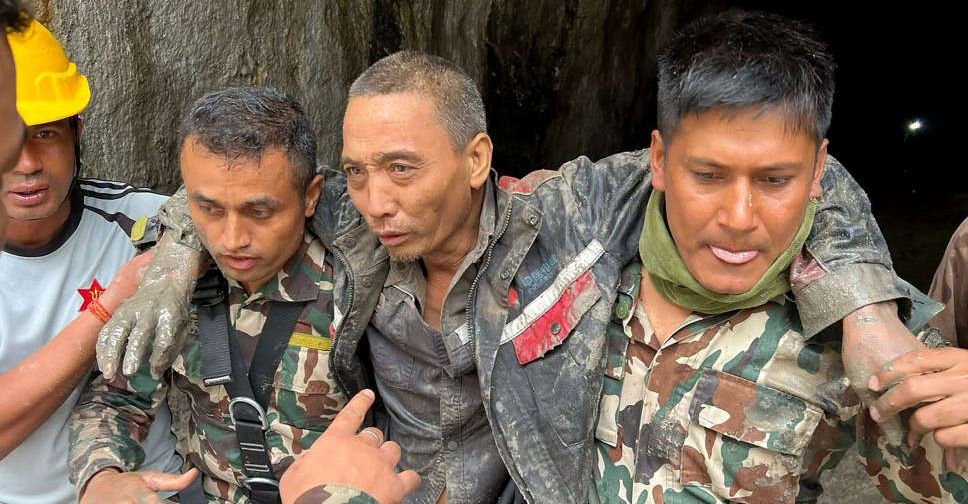 Chinese national rescued from Nepal tunnel 10 days after flash flood
 US envoys Witkoff, Kushner arrive in Moscow for talks on peace in Ukraine
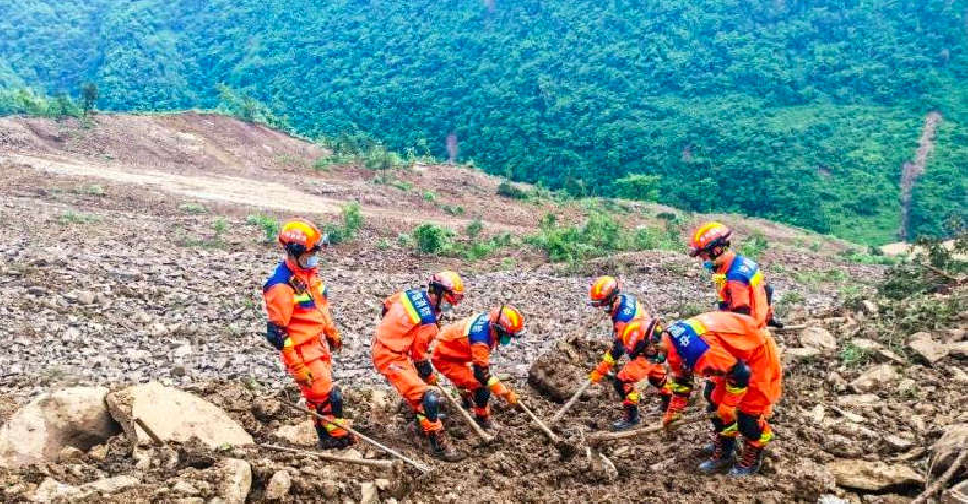 One dead, 11 people missing after mudslide in China's Jiangxi province
 Philippine VP Duterte posts bail after arrest order for alleged grave threats
 Lindsay Clancy trial over killing her children ends in mistrial
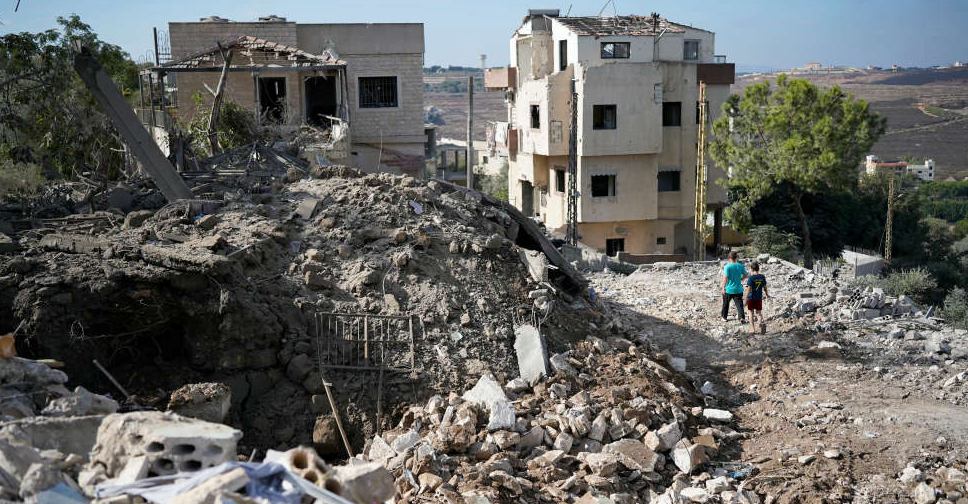 Israel says it strikes southern Lebanon after Hezbollah drone launch
 Sydney sweats in spring hot spell, faces 'extreme' bushfire risk