

India's cabinet has accepted a recommendation to hold simultaneous elections to state assemblies and the national parliament.
A government-appointed panel had recommended in March that simultaneous elections in the world's most populous country will help increase transparency, but the move is contentious and will have to be approved by parliament.
Simultaneous election will strengthen democracy, minister Ashwini Vaishnaw told reporters, adding that the plan is supported by a large section of India's young population.
The government will build consensus and take all legal aspects into consideration before moving forward, he said.
Simultaneous elections used to be the norm in India, but the cycle was disrupted decades ago, resulting in the current staggered system which sees on average five or six state polls being held either at the same time or separately every year.
Frequent election campaigns take politicians away from governance, raise electioneering expenses and also pause new policies and programmes from being announced due to an election code, Prime Minister Narendra Modi and his government say, and have been pushing what is called the "One Nation, One Election" plan.
The nine-member government panel, appointed by Modi's government last year, also said it found that real GDP growth was higher when simultaneous polls were held, compared to a decrease when they were not.
Those opposed to the idea, including some prominent opposition parties, say it violates India's federal politics.

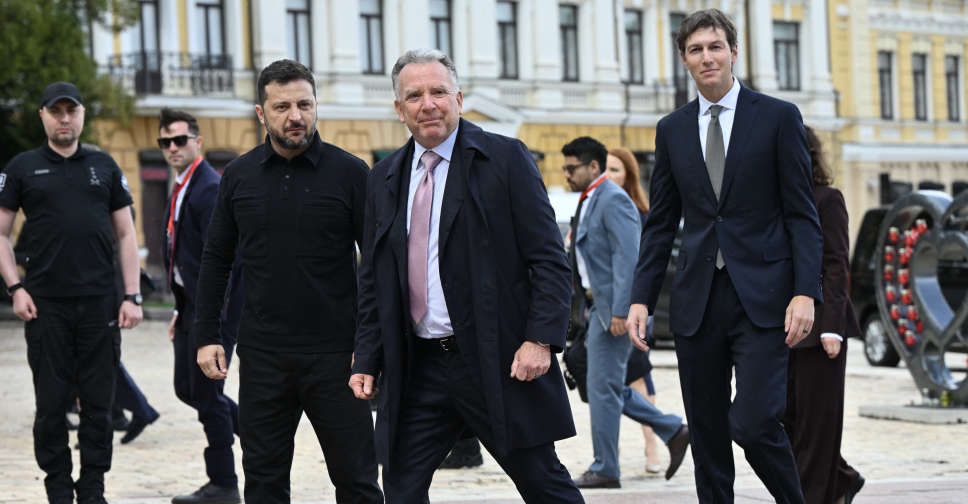 US peace envoys meet Zelenskyy in Kyiv after Putin talks
 US targets three Iranian oil vessels after attack on Navy ships
 Israeli strikes kill seven in southern Lebanon
 Indonesia's Anak Krakatau eruption halts flights, schools, fishing
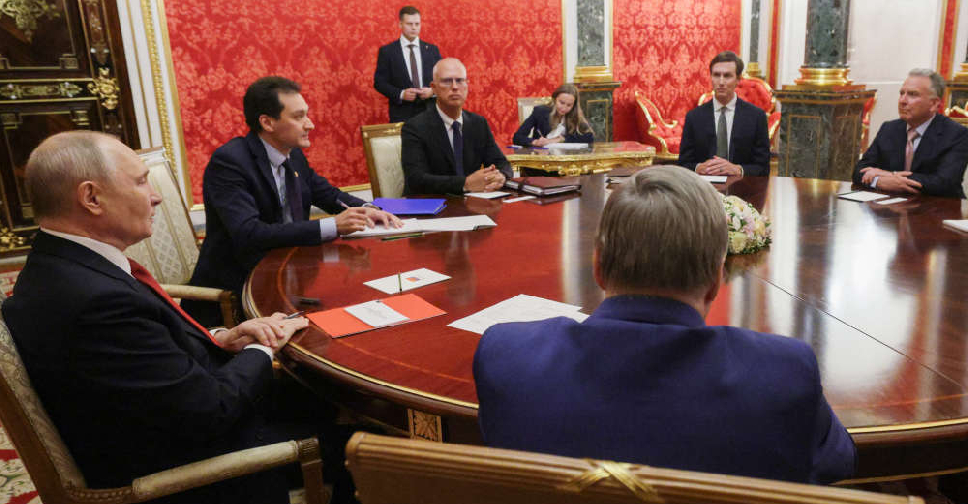 Putin says US-Russia contacts beneficial as talks begin with Witkoff and Kushner
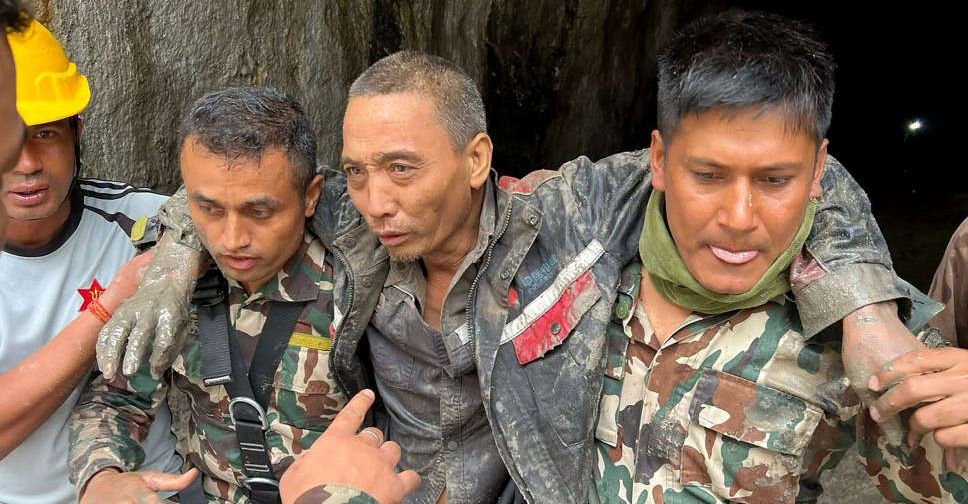 Chinese national rescued from Nepal tunnel 10 days after flash flood
 US envoys Witkoff, Kushner arrive in Moscow for talks on peace in Ukraine
 One dead, 11 people missing after mudslide in China's Jiangxi province