

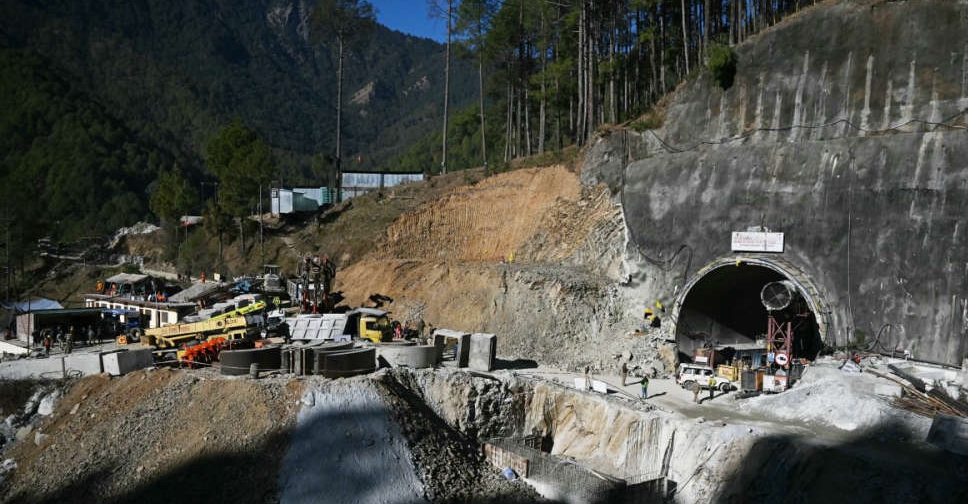
The National Highways Authority of India (NHAI) will carry out a safety audit of more than two dozen tunnels it is building after one such tunnel in the Himalayas collapsed this month, trapping 41 construction workers.
Rescuers have been battling to pull out the 41 men stuck in a 4.5 km (3 mile) tunnel in the mountainous Uttarakhand state since it caved in early on November 12.
Authorities have not said what caused the collapse, but the region is prone to landslides, earthquakes and floods.
The construction spree has been questioned by some environmental experts who fear damage to the fragile Himalayan ecosystem and on grounds of safety.
"To ensure safety and adherence to the highest quality standards during construction, NHAI will undertake safety audit of all 29 under construction tunnels across the country," the government said in a statement.
The NHAI is a federal body which builds and manages a network of national highways.
NHAI officials along with others from the Delhi Metro Rail Corporation will inspect ongoing tunnel projects and submit a report in seven days, it added.
These would include 12 tunnels in the Himalayan state of Himachal Pradesh, six in the Jammu and Kashmir region, and the rest in other states including Uttarakhand.
The collapsed tunnel is located on the Char Dham pilgrimage route, one of the most ambitious projects of Prime Minister Narendra Modi's government.
It aims to connect four important Hindu pilgrimage sites of North India through 890 km (550 miles) of two-lane road being built at a cost of $1.5 billion.
Environmentalists and residents have blamed rapid construction, including the Char Dham project, for land subsidence incidents in the region.
"The Char Dham project was planned in a hurried manner," said Ravi Chopra, an environmentalist, alleging that necessary precautions were not taken in the area which is known for limestone rocks, which dissolve in water, weakening the structure.
The federal government has said it employed environmentally friendly techniques in the design to make geologically unstable areas safer.
Chopra, who headed a Supreme Court-appointed expert panel to study the impact of the project, had resigned from the committee, saying he was frustrated its recommendations were not implemented.
"The kind of geological investigation that should have been done, was not done," he told Reuters.


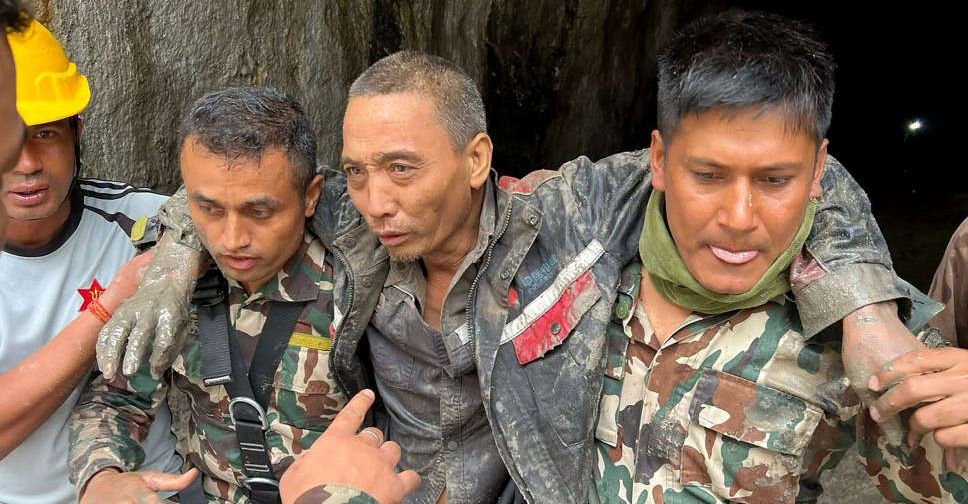 Chinese national rescued from Nepal tunnel 10 days after flash flood
 US envoys Witkoff, Kushner arrive in Moscow for talks on peace in Ukraine
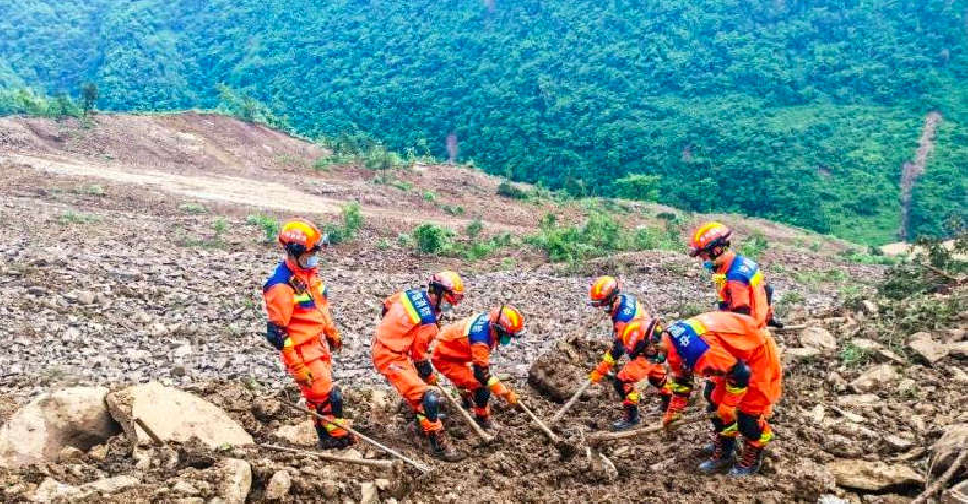 One dead, 11 people missing after mudslide in China's Jiangxi province
 Philippine VP Duterte posts bail after arrest order for alleged grave threats
 Lindsay Clancy trial over killing her children ends in mistrial
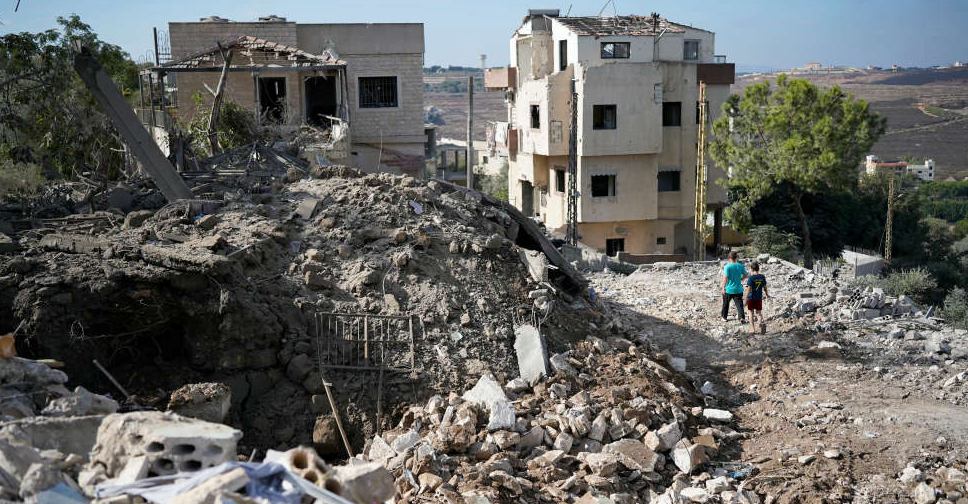 Israel says it strikes southern Lebanon after Hezbollah drone launch
 Sydney sweats in spring hot spell, faces 'extreme' bushfire risk
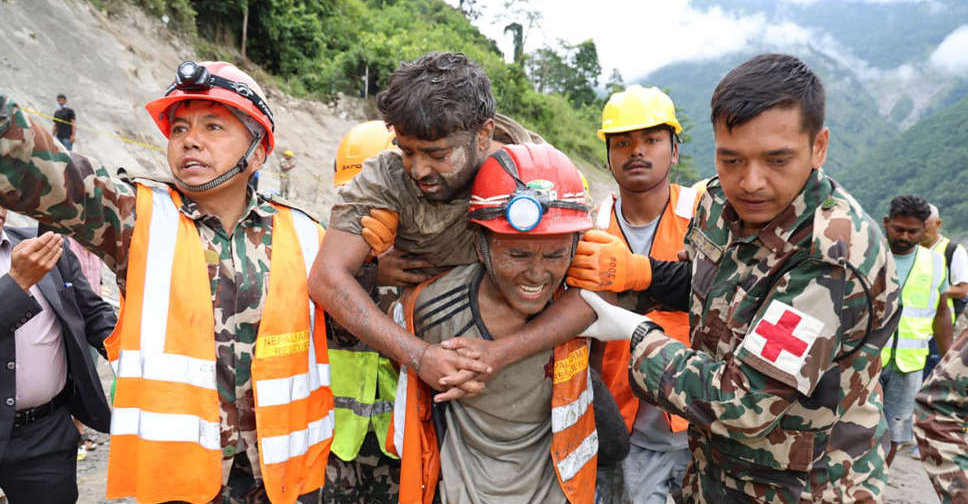 Nine days after disaster, two pulled alive from Nepal hydropower tunnel