

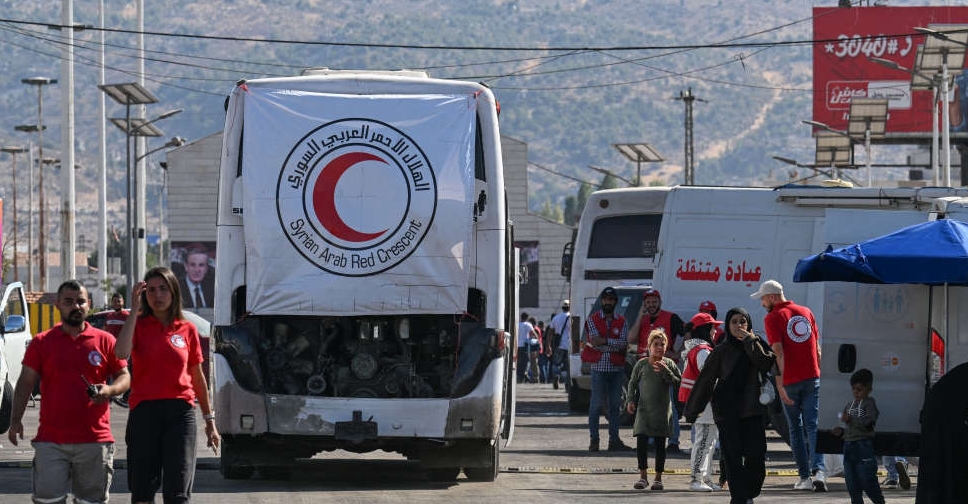
The International Committee of the Red Cross (ICRC) plans to expand its work in Syria significantly beyond an initial $100 million programme, the organisation's president said on Monday, citing pressing needs in the health, water and power sectors.
Syria requires $4.07 billion in aid this year, but only 33.1 per cent has been funded, leaving a $2.73 billion gap, according to the UN Office for the Coordination of Humanitarian Affairs (OCHA).
The ICRC's expected expansion follows new access to all regions of the country after the toppling of president Bashar al-Assad last month.
"Our programme originally for this year for Syria was $100 million, but we are likely to expand that significantly," ICRC President Mirjana Spoljaric told Reuters on the sidelines of a visit to the country.
She said individual donor countries had already come forward with an increase in funding for Syria.
ICRC was one of the few international organizations still operating in Syria under Assad's rule, working on infrastructure projects including water and electricity systems.
"We need to expand that work, we have a lot to do in the health sector," she added.
The organization is engaged in rehabilitation work to sustain water provision at 40 per cent to 50 per cent of what it was before the war, but protection of water facilities remains important as some are close to places where fighting is still under way.
"There are facilities next to the Euphrates Lake that are specific to the protection requirement at the moment," she said.
Initial assessments to begin immediate rehabilitation of Syria’s electricity systems are partly complete, but urgent financial investments and adjustments to sanctions are now required, she added.
"Certain spare parts need to be allowed to come in because that is also hampering the rehabilitation work at the moment. So there's a political dimension to it," she said.
Earlier, people briefed on the matter told Reuters that the US is set to announce an easing of restrictions on providing humanitarian aid and other basic services such as electricity to Syria while maintaining its strict sanctions regime.
On Sunday, Syria's new rulers said US sanctions were an obstacle to the country's rapid recovery and urged Washington to lift them, during a visit by Syrian officials to Qatar.

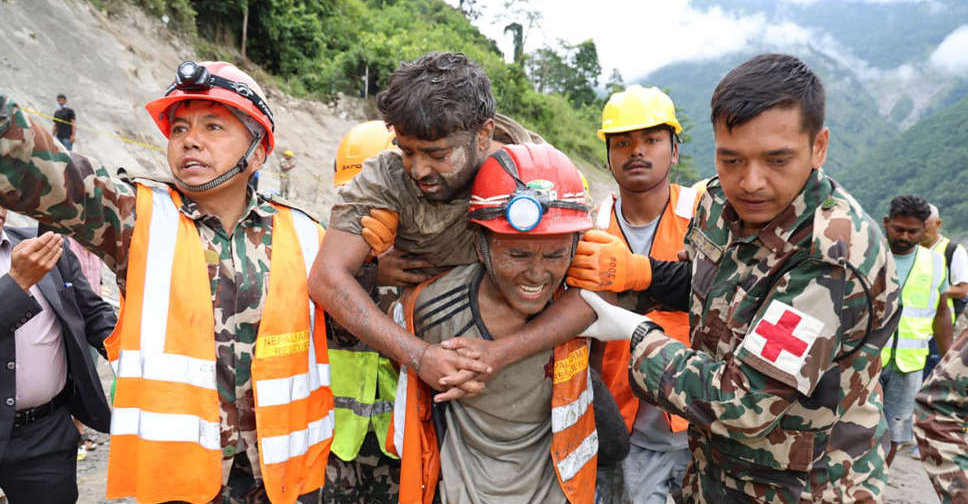 Nine days after disaster, two pulled alive from Nepal hydropower tunnel
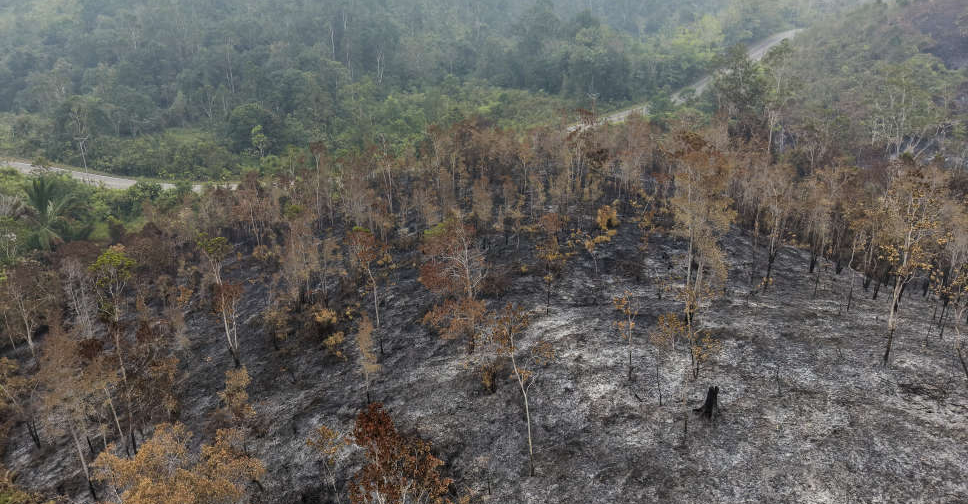 Wildfires spread near Indonesia's new capital, prompting calls for action
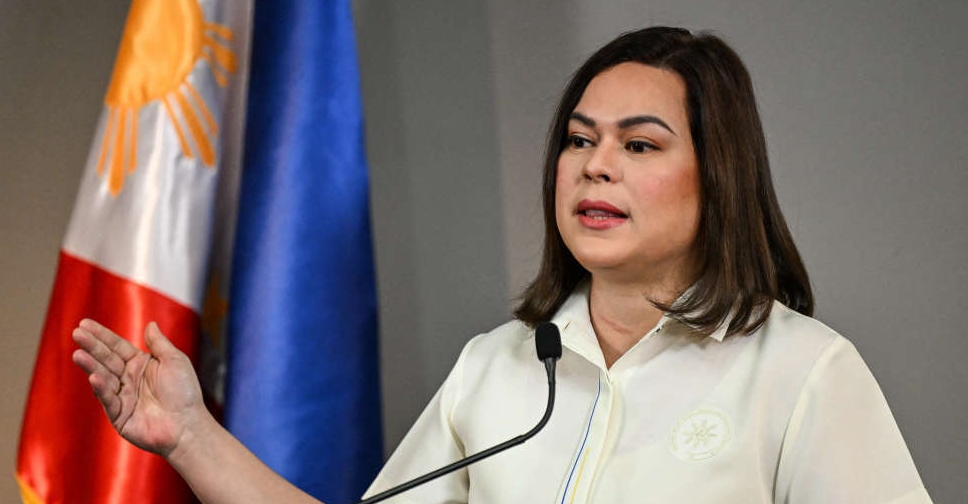 Philippine court issues warrant for VP Duterte's arrest in grave threats case
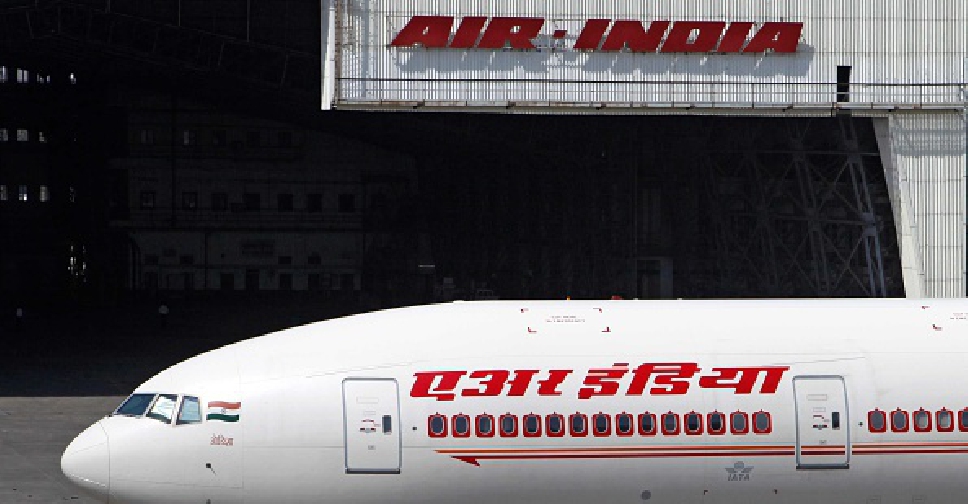 Air India A320 issued stall warning when seatbelt signs off, injuring 24, investigators say
 Typhoon Saudel brings torrential rain, flooding to China's coastal areas
 US investigates deadly strike on Iranian wedding
 India food safety crackdown targets company of Nepal's 'Noodle King'
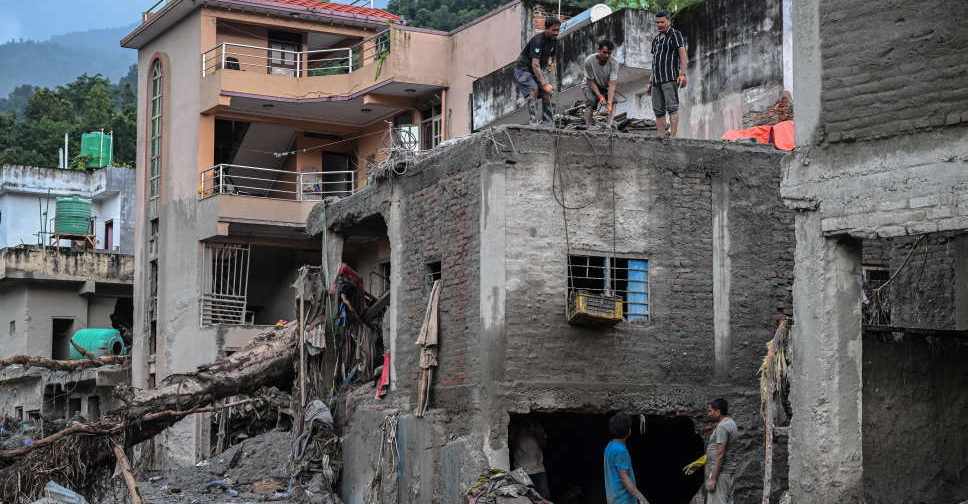 Nepal flood losses estimated at $2.56 billion, official says