

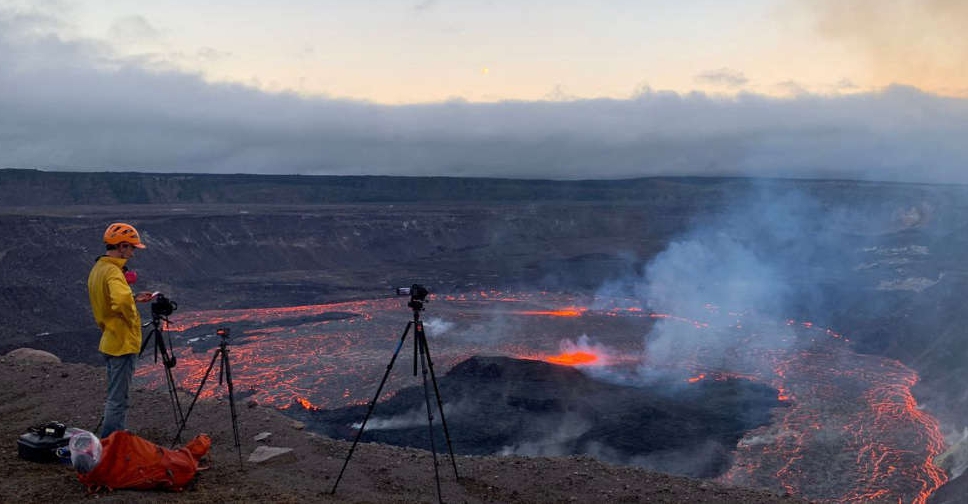
The Kilauea volcano in Hawaii has begun erupting, the U.S. Geological Service's volcanic activity notice said, after detecting a glow in the summit producing smog that is confined within the Hawaii Volcanoes National Park.
The volcano alert level was raised to 'Red' after an evaluation of the eruption and associated hazards, the notice said.
USGS said the volcanic gas, which consists of sulphur dioxide and other gases, could produce a visible haze of volcanic smog, known as 'vog', which has been observed in the downwind of Kilauea.
Vog has the potential to generate airborne health hazards for residents and visitors, causing breathing difficulties and also damaging agricultural crops.
Known to be the younger and more active neighbor of Mauna Loa, which erupted in November for the first time since 1984, the Kilauea volcano has been erupting since 2021.
However, Mauna Loa's eruption has had no impact and remains quiet, USGS said.


 Kenya offers temporary amnesty to undocumented East Africans amid crackdown fears
 7 Indonesian airports remain shut due to volcanic ash from Anak Krakatau
 Bolivia confirms 7 deaths after military base explosion
 Israeli strikes on southern Lebanese town kill 11, state news agency says
 Nepal marks national mourning day after deadly flood
 Far-right AfD wins historic victory in German state election
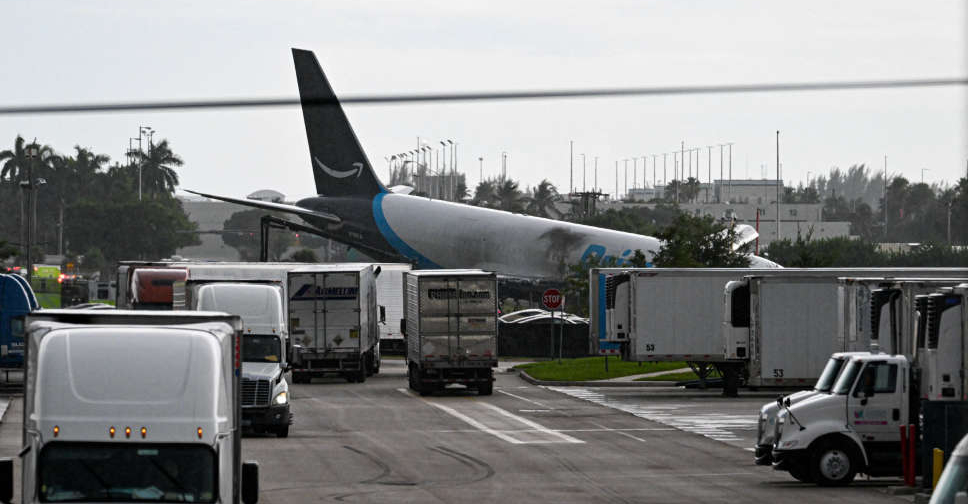 At least 5 killed in Amazon Prime Air cargo plane crash in Miami
 Israeli strike kills 2 in Gaza, medics say