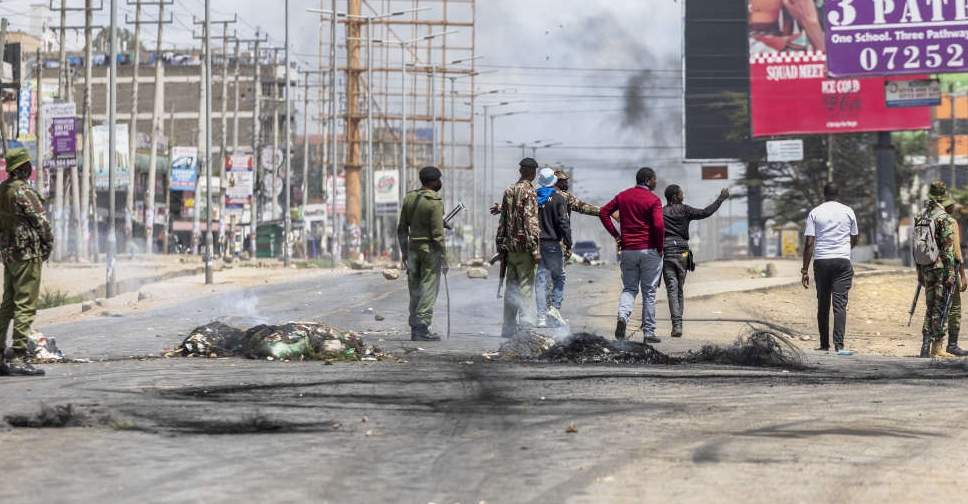
Four people have been killed in protests against fuel price hikes prompted by the Iran war in several Kenyan towns on Monday, its interior minister said, after a nationwide public transport strike stranded commuters.
The Transport Sector Alliance said on Sunday that vehicles affiliated with its member associations would stop operating from midnight in protest, while police said they would act to tackle any disruptions.
"We lost four Kenyans in today's violence, which also saw more than 30 people injured," Interior Minister Kipchumba Murkomen told a televised press conference.
Kenya's Energy and Petroleum Regulatory Authority last week raised retail fuel prices by as much as 23.5 per cent - after hiking them by 24.2 per cent last month - as the conflict in the Middle East squeezed global oil and gas supplies.
Earlier on Monday, Finance Minister John Mbadi had said the current prices were already subsidised.
A meeting of the transport and energy ministers with public transport operators late on Monday to discuss a solution yielded little breakthrough, with the association accepting a proposal from the government that it would bridge the disparity between diesel and kerosene prices to prevent adulteration.
However, they disagreed on the extent to which the prices could be reduced, with the associations asking for 46 shillings per litre.
"We have not agreed on anything... What we are urging the president is that he must do something because the strike will continue. The strike is still on," Albert Karakacha, chairman of the public service vehicles owners' association, told a news conference.

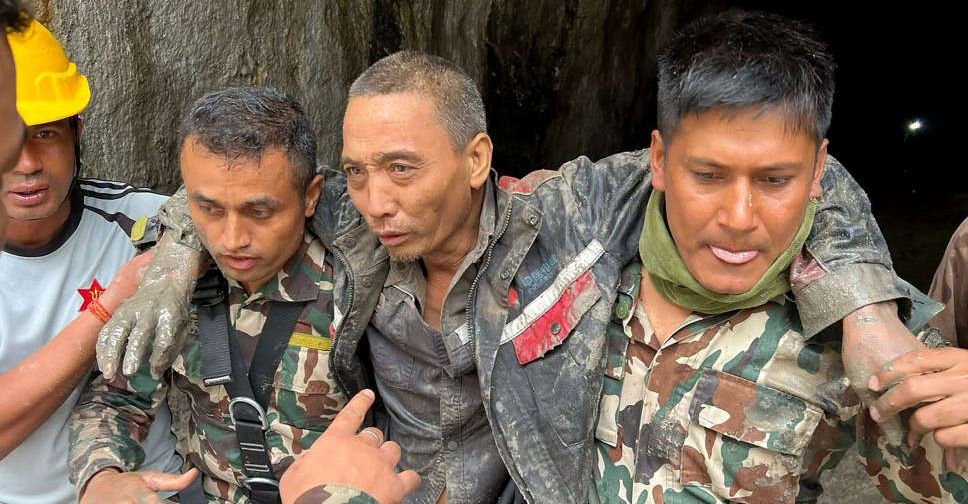 Chinese national rescued from Nepal tunnel 10 days after flash flood
 US envoys Witkoff, Kushner arrive in Moscow for talks on peace in Ukraine
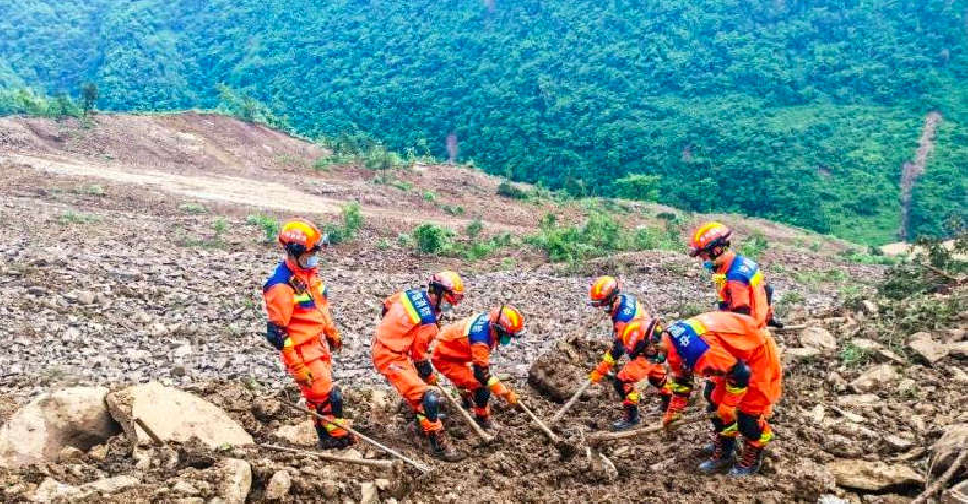 One dead, 11 people missing after mudslide in China's Jiangxi province
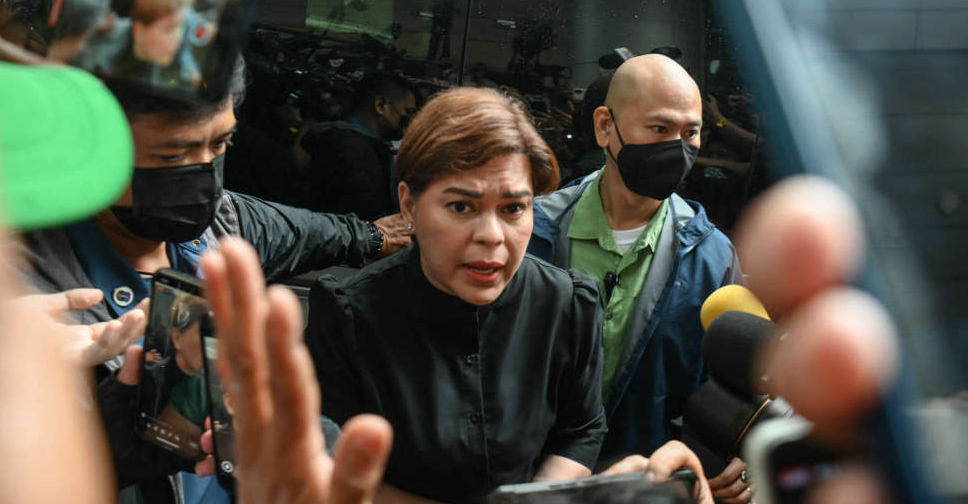 Philippine VP Duterte posts bail after arrest order for alleged grave threats
 Lindsay Clancy trial over killing her children ends in mistrial
 Israel says it strikes southern Lebanon after Hezbollah drone launch
 Sydney sweats in spring hot spell, faces 'extreme' bushfire risk
 Nine days after disaster, two pulled alive from Nepal hydropower tunnel