

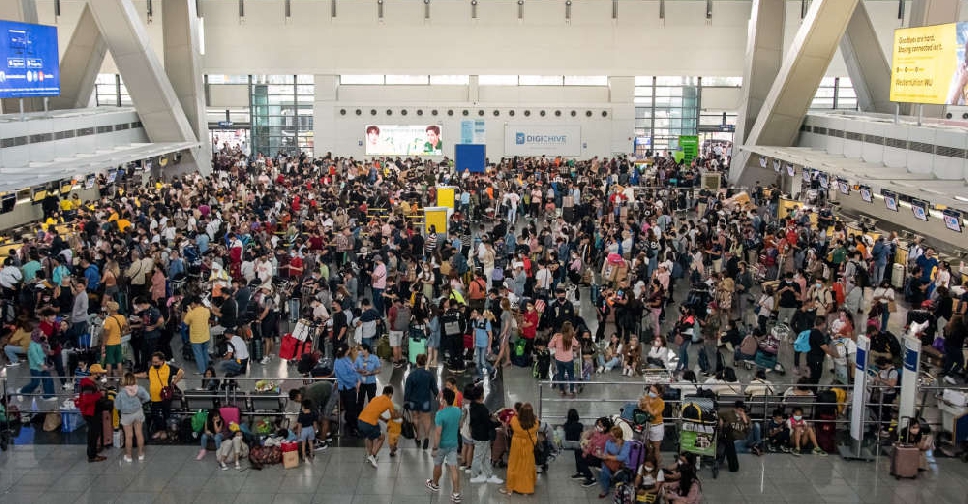
Philippine authorities halted flights in and out of Manila on New Year's Day due to a malfunction of air traffic control, causing chaos for tens of thousands of travellers.
A total of 282 flights were either delayed, cancelled or diverted to other regional airports, affecting around 56,000 passengers at Manila's Ninoy Aquino International Airport (NAIA), the airport operator said on Sunday.
As of 0800 GMT, "the system has been partially restored thereby allowing limited flight operations," the Manila International Airport Authority said in a statement.
Video clips and photos posted on social media showed long queues at the airport and airline personnel distributing food packs and drinks to stranded passengers.
"We're told radar and navigation facilities at NAIA down. I was on my way home fm Tokyo - 3 hours into the flight, but had to return to Haneda," tweeted one passenger - Manuel Pangilinan, chairman of Philippine telecommunications conglomerate PLDT Inc.
"6 hours of useless flying but inconvenience to travellers and losses to tourism and business are horrendous. Only in the PH. Sigh."
Budget carrier Cebu Pacific CEB.PS said there was a power outage and loss of communication at the Philippine Air Traffic Management Center. It offered passengers due to fly on Sunday free rebooking or the option to convert tickets to vouchers.
Philippine Airlines PAL.PS said a number of flights were diverted, cancelled and delayed, and travellers should check the status of their journey before proceeding to the airport.


 Putin says US-Russia contacts beneficial as talks begin with Witkoff and Kushner
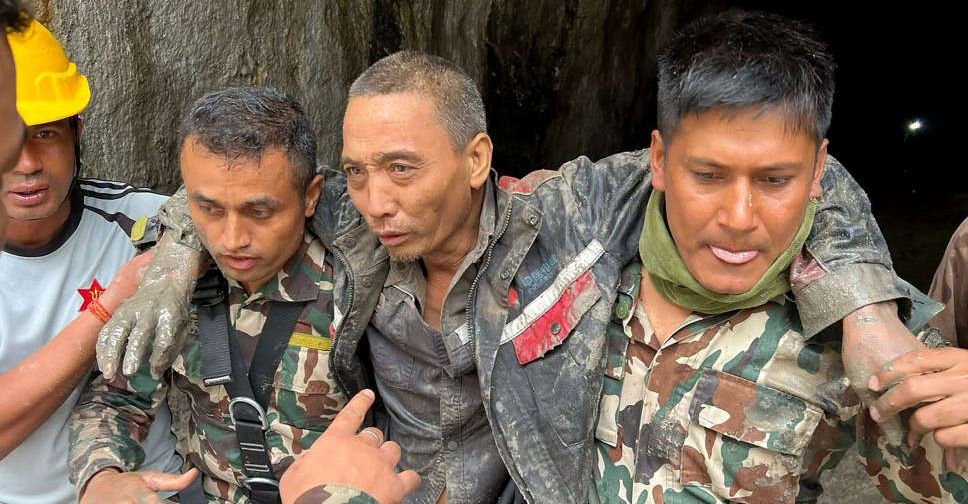 Chinese national rescued from Nepal tunnel 10 days after flash flood
 US envoys Witkoff, Kushner arrive in Moscow for talks on peace in Ukraine
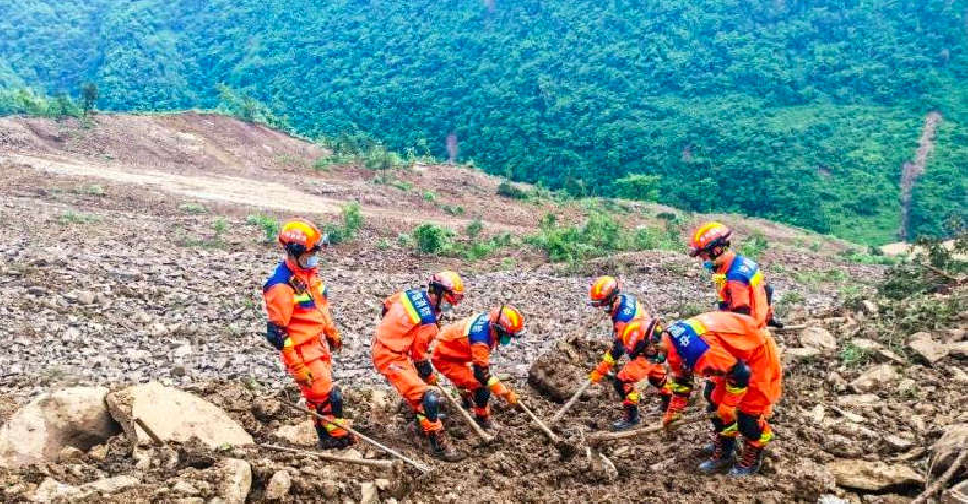 One dead, 11 people missing after mudslide in China's Jiangxi province
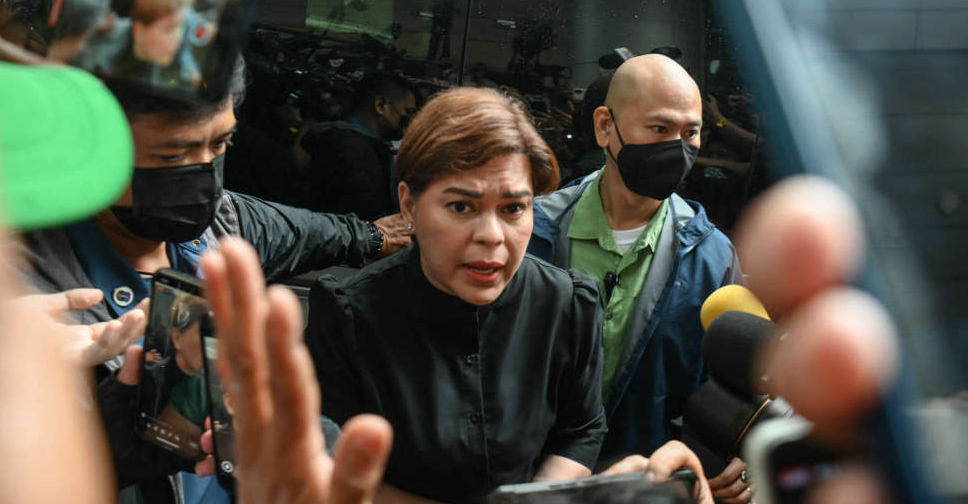 Philippine VP Duterte posts bail after arrest order for alleged grave threats
 Lindsay Clancy trial over killing her children ends in mistrial
 Israel says it strikes southern Lebanon after Hezbollah drone launch
 Sydney sweats in spring hot spell, faces 'extreme' bushfire risk