

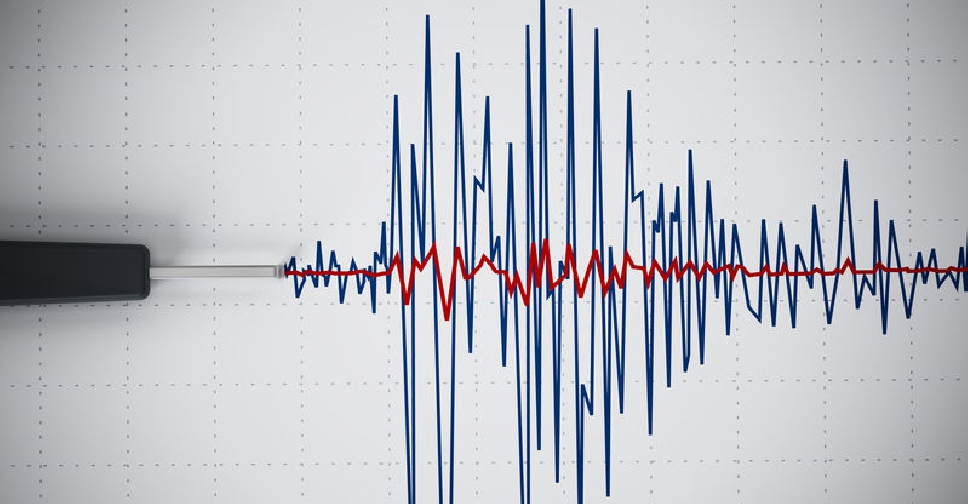
A magnitude 6.8 earthquake struck China's Sichuan province on Monday, the strongest to hit the region since 2017, killing more than 40 people and shaking the provincial capital of Chengdu and more distant provinces.
Some roads and homes near the epicentre were damaged by landslides, while communications were down in at least one area, state television reported.
No damage to dams and hydropower stations within 50 km (31 miles) of the epicentre was reported, although damage to the provincial grid had affected power to about 40,000 end-users.
The epicentre was at the town of Luding, the China Earthquake Networks Centre said, in the mountains about 226 km southwest of Chengdu.
Earthquakes are common in the southwestern province of Sichuan, especially in its mountains in the west, a tectonically active area along the eastern boundary of the Qinghai-Tibetan plateau.
Video clips on social media showed lights swinging while people rushed out of buildings into the streets.
A total of 39,000 people live within 20 km of the epicentre and 1.55 million within 100 km, according to state television.
The quake was Sichuan's biggest since August 2017, when one of magnitude 7.0 hit the Aba prefecture.
The most powerful Sichuan earthquake on record was in May 2008, when a magnitude 8.0 quake centred in Wenchuan killed almost 70,000 people and caused extensive damage.
Monday's quake was also felt in the provinces of Yunnan, Shaanxi and Guizhou hundreds of kilometres away.


 At least 73 injured after Houthi rebels attack Saudi civilian and energy facilities
 Nepal rescue focused on workers trapped in three tunnels
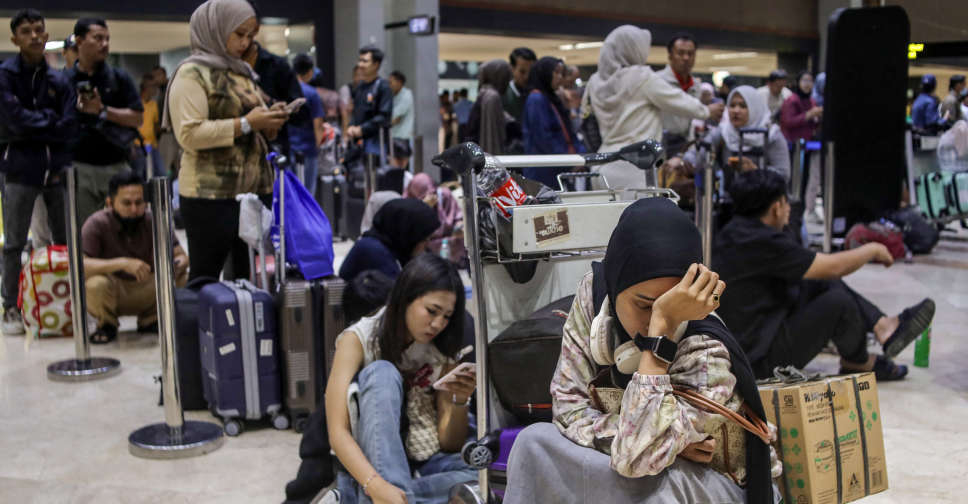 Indonesia reopens Jakarta airport, four others after Anak Krakatau ash clears
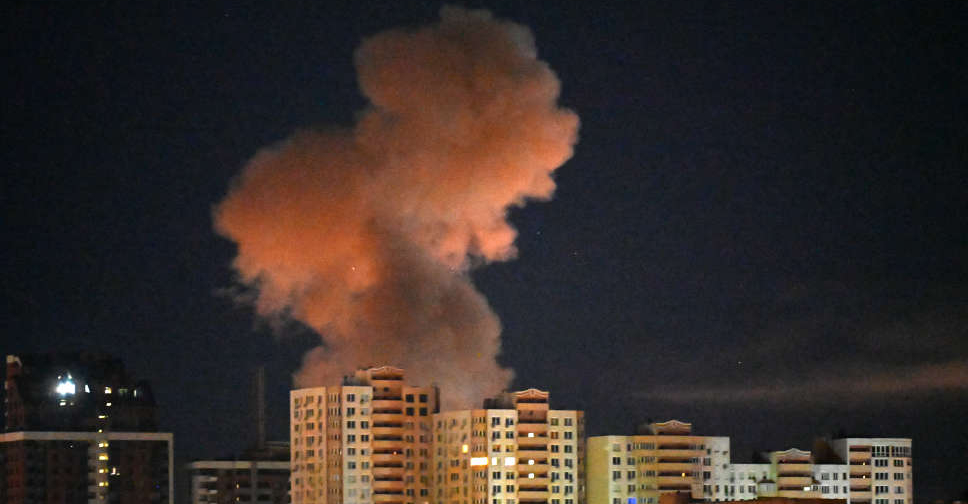 Russia hits Kyiv after brief pause for US envoys' visit, killing two
 Kenya offers temporary amnesty to undocumented East Africans amid crackdown fears
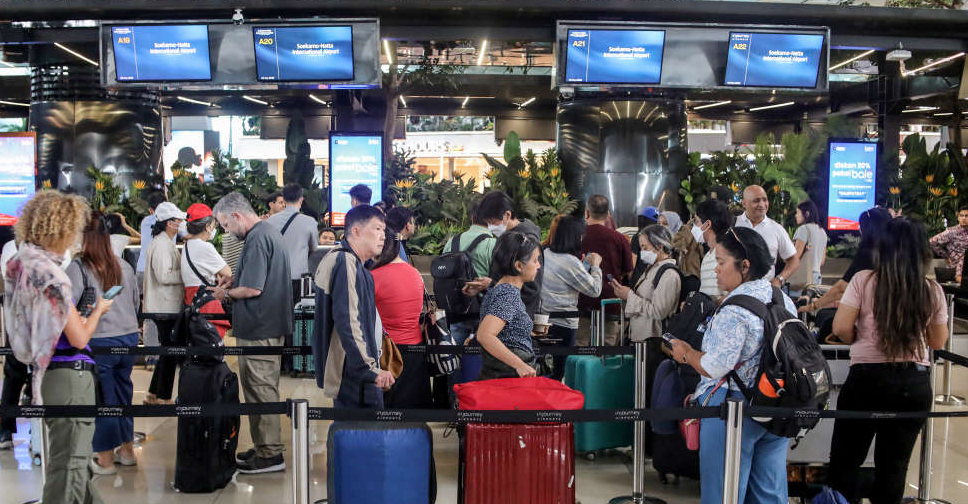 7 Indonesian airports remain shut due to volcanic ash from Anak Krakatau
 Bolivia confirms 9 deaths after military base explosion
 Israeli strikes on southern Lebanese town kill 11, state news agency says