Russia's failed Luna-25 mission left a 10-metre wide crater on the moon when it crashed last month after a problem preparing for a soft landing on the south pole, according to images released by NASA.
Luna-25, Russia's first moon mission in 47 years, failed on August 19 when it spun out of control and crashed into the moon, underscoring the post-Soviet decline of a once mighty space programme.
The US National Aeronautics and Space Administration's Lunar Reconnaissance Orbiter (LRO) spacecraft imaged a new crater on the surface of the moon that it concluded was the likely the impact site of Russia's Luna 25 mission.
"The new crater is about 10 meters in diameter," NASA said. "Since this new crater is close to the Luna-25 estimated impact point, the LRO team concludes it is likely to be from that mission, rather than a natural impactor."
After the crash, Moscow said a special inter-departmental commission had been formed to investigate the reasons behind the loss of the Luna-25 craft.
Though many moon missions fail, the crash underscored the decline of Russia's space power since the glory days of Cold War competition when Moscow was the first to launch a satellite to orbit the Earth - Sputnik 1 in 1957 - and Soviet cosmonaut Yuri Gagarin became the first man to travel into space in 1961.


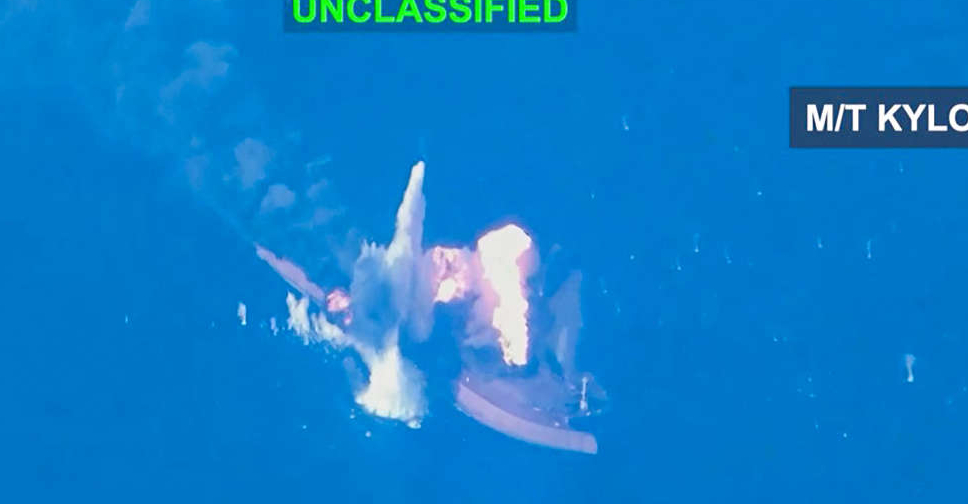 US targets three Iranian oil vessels after attack on Navy ships
 Israel launches strikes on southern Lebanon
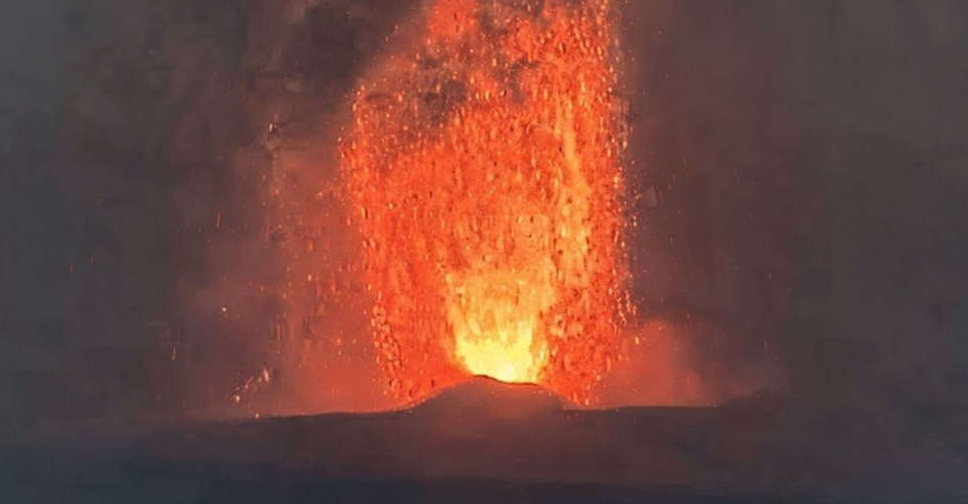 Indonesia's Anak Krakatau eruption halts flights, schools, fishing
 Putin says US-Russia contacts beneficial as talks begin with Witkoff and Kushner
 Chinese national rescued from Nepal tunnel 10 days after flash flood
 US envoys Witkoff, Kushner arrive in Moscow for talks on peace in Ukraine
 One dead, 11 people missing after mudslide in China's Jiangxi province
 Philippine VP Duterte posts bail after arrest order for alleged grave threats