

COVID-19 no longer represents a global health emergency, the World Health Organization said on Friday.
It's a major step towards the end of the pandemic that has killed more than 6.9 million people, disrupted the global economy and ravaged communities
The WHO's emergency committee first declared that COVID represented its highest level of alert more than three years ago, on January 30, 2020.
The status helps focus international attention on a health threat, as well as bolstering collaboration on vaccines and treatments.
Lifting it is a sign of the progress the world has made in these areas, but COVID-19 is here to stay, the WHO has said, even if it no longer represents an emergency.
The death rate has slowed from a peak of more than 100,000 people per week in January 2021 to just over 3,500 in the week to April 24, according to WHO data.


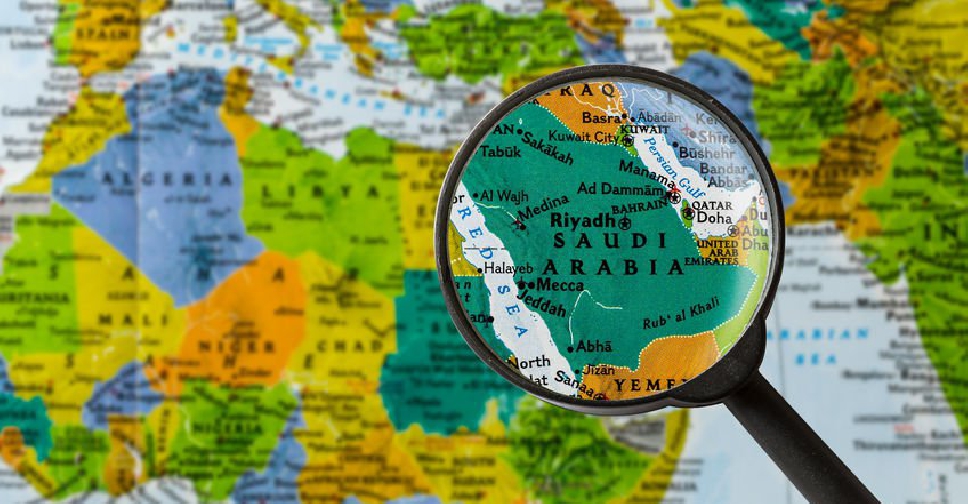 At least 73 injured after Houthi rebels attack Saudi civilian and energy facilities
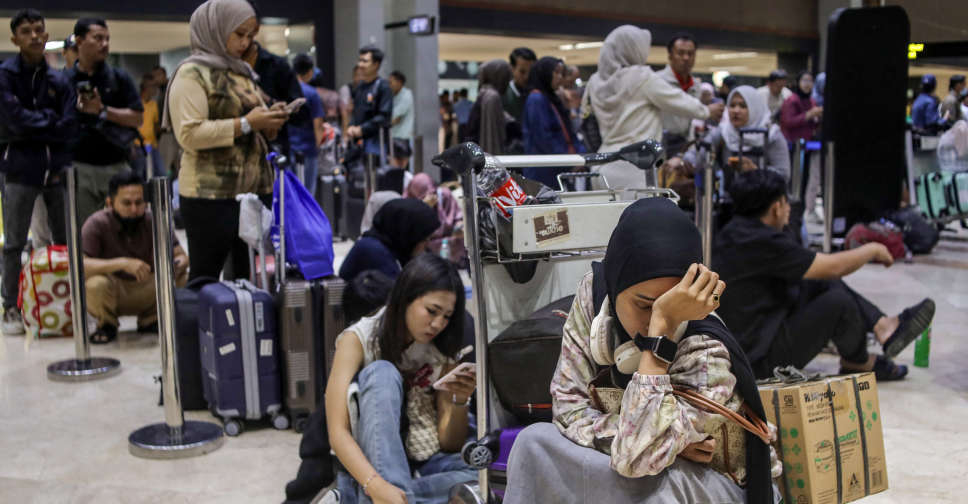 Indonesia reopens Jakarta airport, four others after Anak Krakatau ash clears
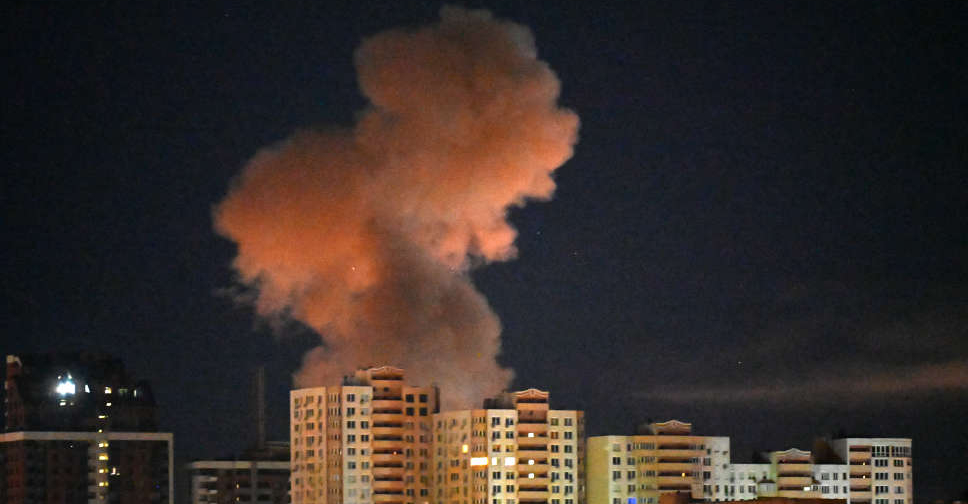 Russia hits Kyiv after brief pause for US envoys' visit, killing two
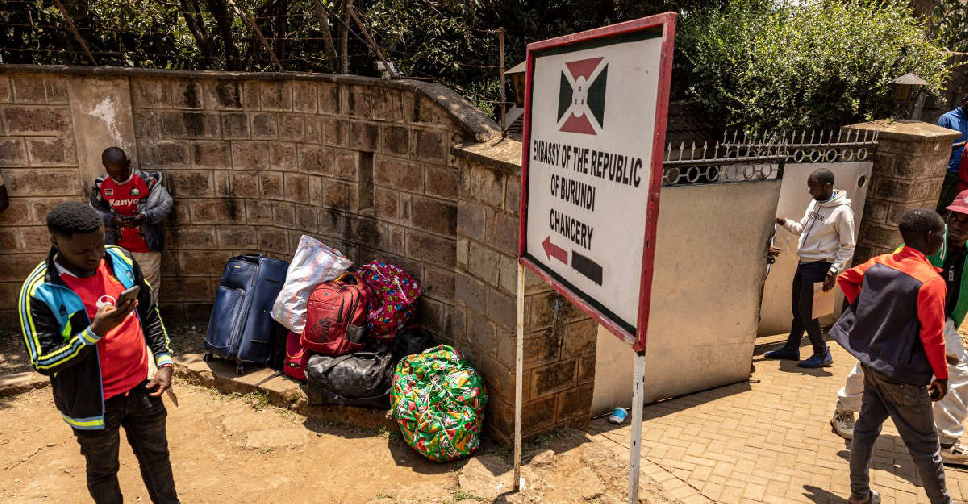 Kenya offers temporary amnesty to undocumented East Africans amid crackdown fears
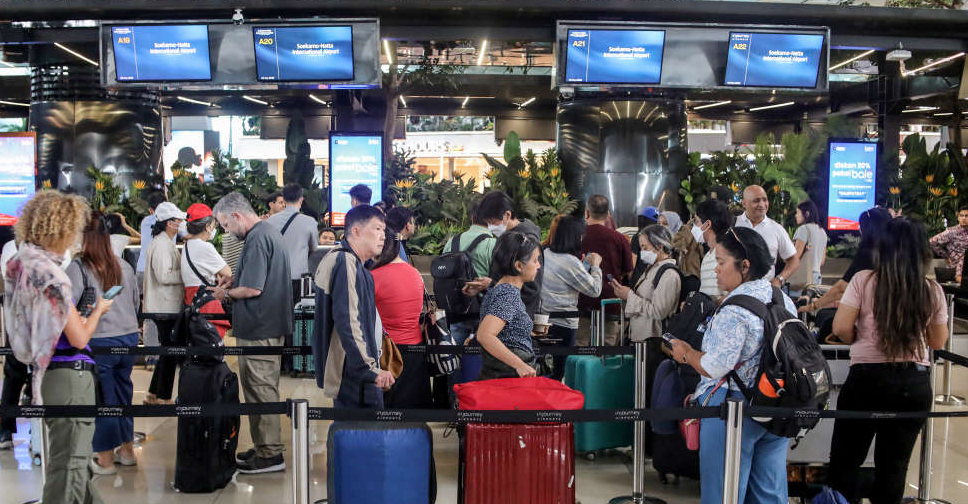 7 Indonesian airports remain shut due to volcanic ash from Anak Krakatau
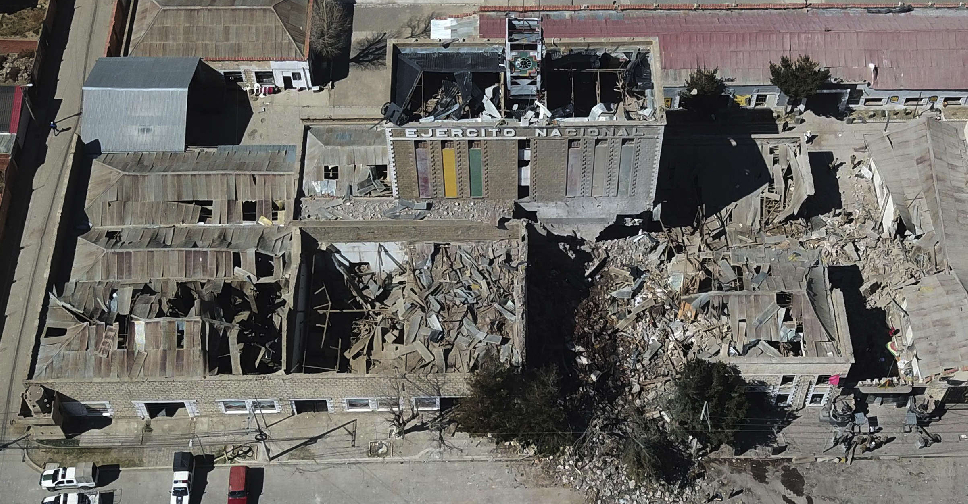 Bolivia confirms 9 deaths after military base explosion
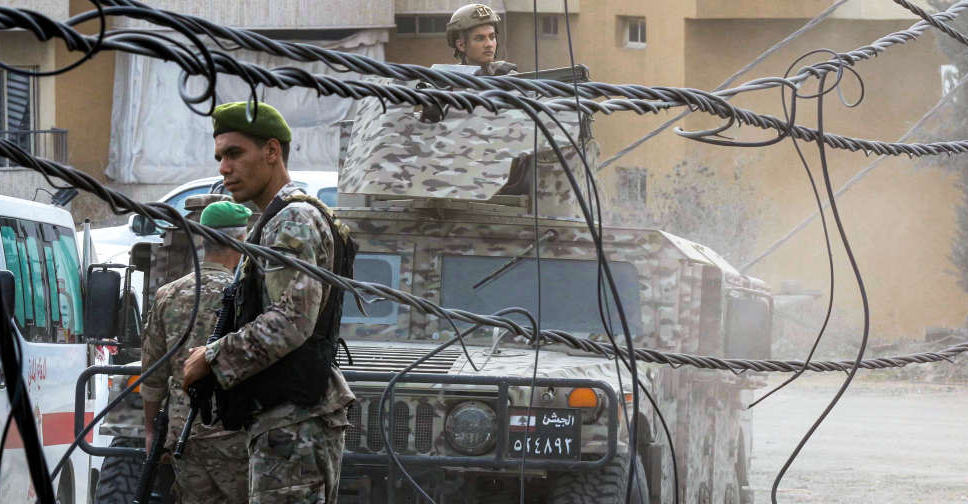 Israeli strikes on southern Lebanese town kill 11, state news agency says
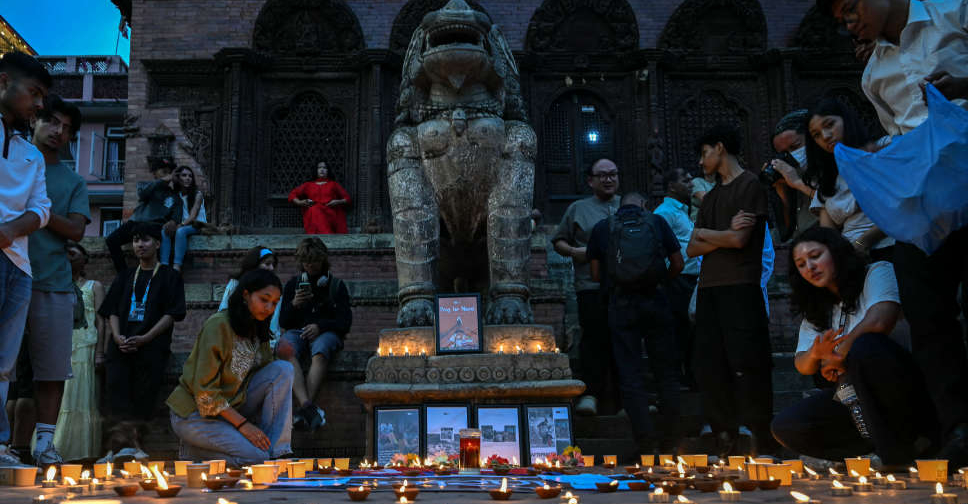 Nepal marks national mourning day after deadly flood