

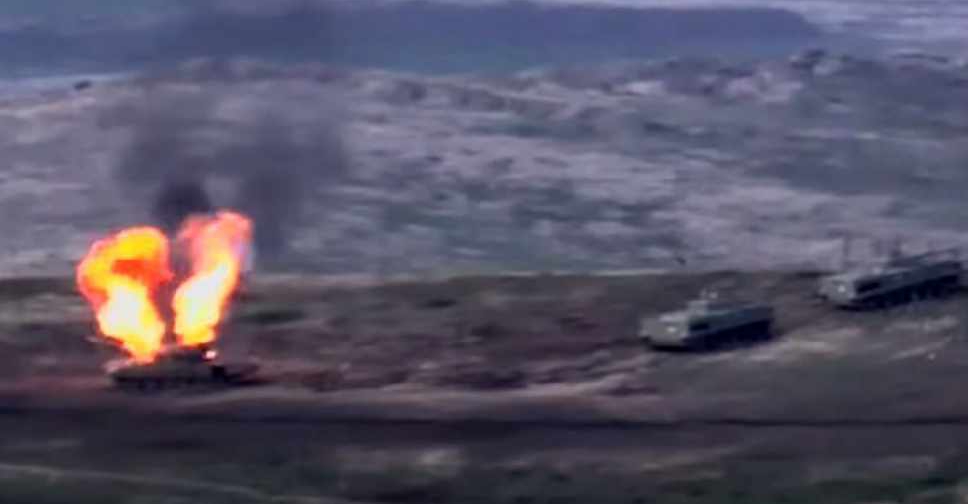
Armenia declared martial law on Sunday after clashes with Azerbaijan over the breakaway Nagorno-Karabakh region in which sources on both sides reported fatalities.
Authorities in Nagorno-Karabakh, a mainly ethnic Armenian region inside Azerbaijan which declared independence in 1991, also announced martial law and mobilised the male population after clashes which the two sides blamed on each other.
Armenia said Azerbaijan had carried out an air and artillery attack on Nagorno-Karabakh, but Azerbaijan said it had responded to Armenian shelling.
Armenian human right activists said two civilians had been killed by Azeri shelling. Baku said an unspecified number of Azeri civilians had been killed and six wounded, and Nagorno-Karabakh said 10 of its military staff had been killed. The reports could not be independently confirmed.
Russia's foreign ministry, a mediator in decades of conflict between the two countries, urged both sides to cease fire immediately and hold talks.
The two countries have long been at odds over Nagorno-Karabakh, which broke away from Azerbaijan in a conflict that broke out as the Soviet Union collapsed.
Though a ceasefire was agreed in 1994, Azerbaijan and Armenia frequently accuse each other of attacks around Nagorno-Karabakh and along the separate Azeri-Armenian frontier.
The conflict has worried Western and regional countries in part because it could cause instability in the South Caucasus, which serves as a corridor for pipelines transporting oil and gas to world markets.


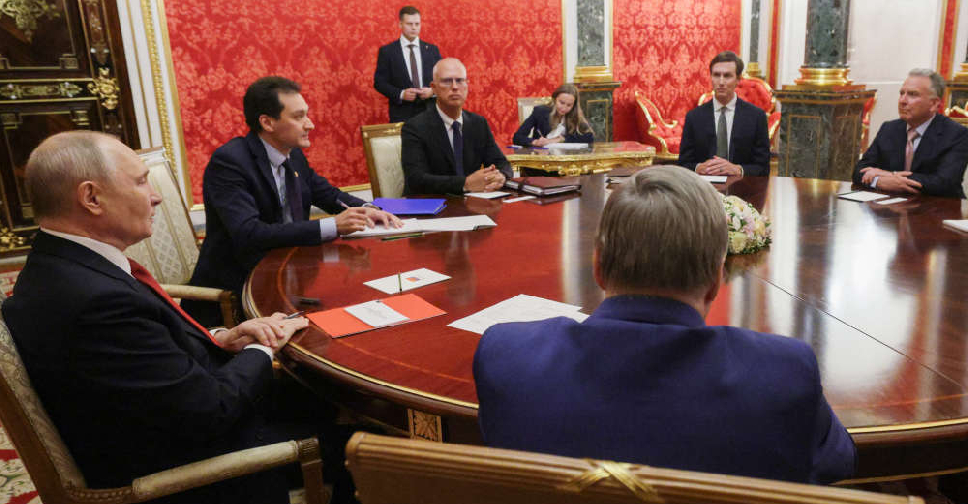 Putin says US-Russia contacts beneficial as talks begin with Witkoff and Kushner
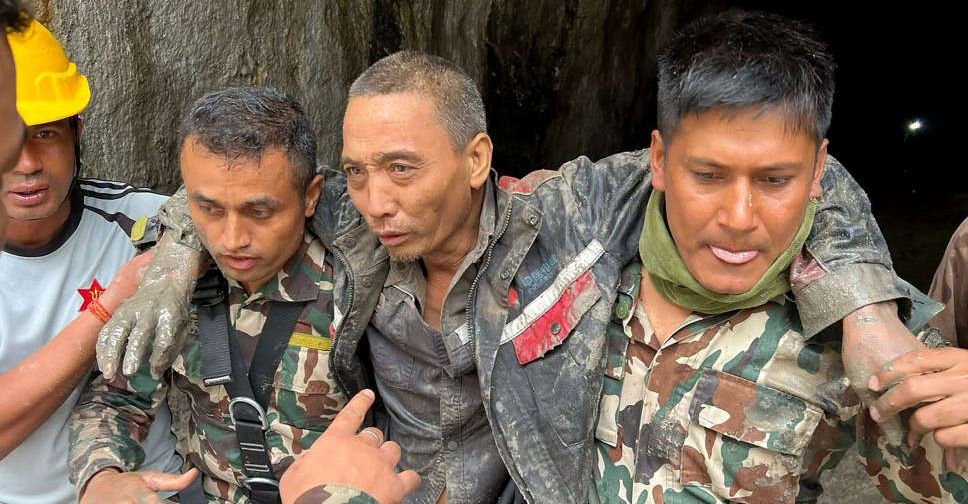 Chinese national rescued from Nepal tunnel 10 days after flash flood
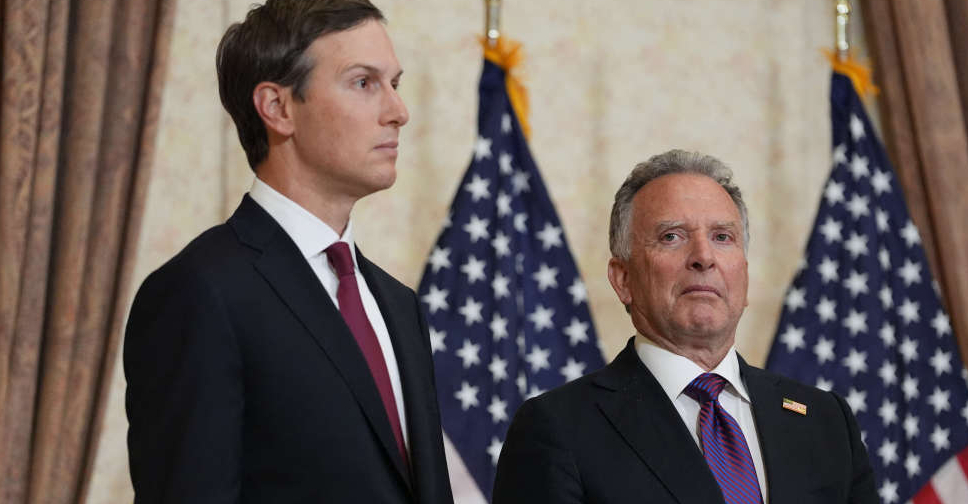 US envoys Witkoff, Kushner arrive in Moscow for talks on peace in Ukraine
 One dead, 11 people missing after mudslide in China's Jiangxi province
 Philippine VP Duterte posts bail after arrest order for alleged grave threats
 Lindsay Clancy trial over killing her children ends in mistrial
 Israel says it strikes southern Lebanon after Hezbollah drone launch
 Sydney sweats in spring hot spell, faces 'extreme' bushfire risk