

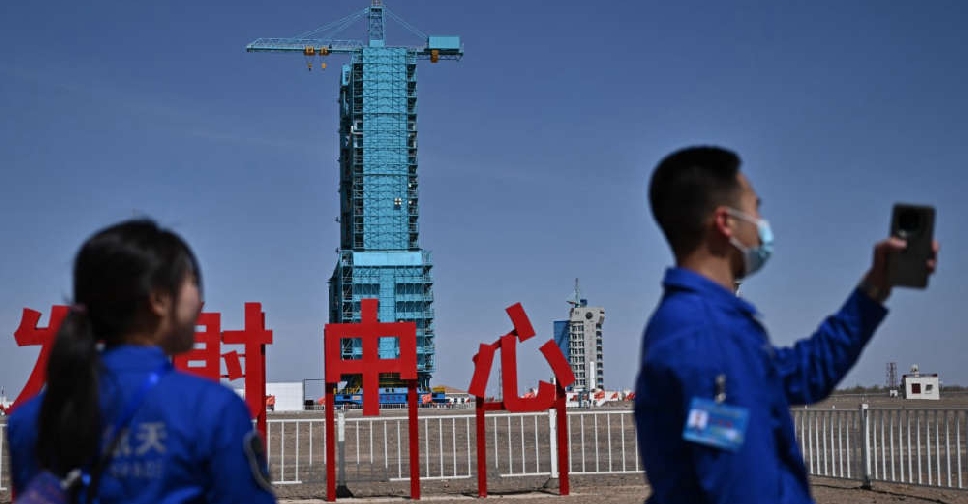
China is set to launch its Shenzhou-20 mission that will carry three astronauts to the Chinese space station Tiangong on Thursday (0917 GMT), state media said on Wednesday.
The main purpose of the mission is to complete the in-orbit rotation with the Shenzhou-19 crew, which is scheduled to return to the Dongfeng landing site on April 29, China Manned Space Agency officials said at a press conference broadcast on CCTV.
The Shenzhou-20 spaceflight from the Jiuquan Satellite Launch Centre in northwest China will carry astronauts Chen Dong, Chen Zhongrui and Wang Jie, CCTV said.
The spaceflight will be Chen Dong's third and the first for the other two - a space engineer and a former air force pilot.
They will conduct space science and application experiments, install a space debris protection device as well as extravehicular payload and equipment, and perform recovery tasks.
The mission will also bring with it zebrafish, planarians and streptomyces as research objects to carry out three life science experiments at the space station.
The crew, scheduled to return to Earth in late October, can expect a resupply mission via the unmanned Tianzhou-9 cargo spacecraft.
The country's next batch of astronauts, the fourth cohort set to participate in Shenzhou spaceflights, is currently in selection or training, featuring for the first time astronauts from China's special administrative regions of Hong Kong and Macau, as well as Pakistan.
The Hong Kong and Macau astronauts are likely to carry out their first mission as early as 2026, state media reported. China said the selection of the Pakistani astronauts was under way. Both countries signed an agreement for space cooperation in February.
One of the two Pakistani astronauts that will join the Chinese missions is set to focus on payloads and scientific research aboard China's space station.
Amjad Ali, deputy director general at Pakistan’s national space agency, told Reuters on Wednesday while attending a conference in Shanghai that over the next month, a list of five to 10 astronauts would be selected by the Pakistani side for China to then shorten to two candidates.
The pair will then go through a training period in China lasting six months to one year, with one eventually being sent to space as early as October next year, while the other acts as a reserve, Ali explained.

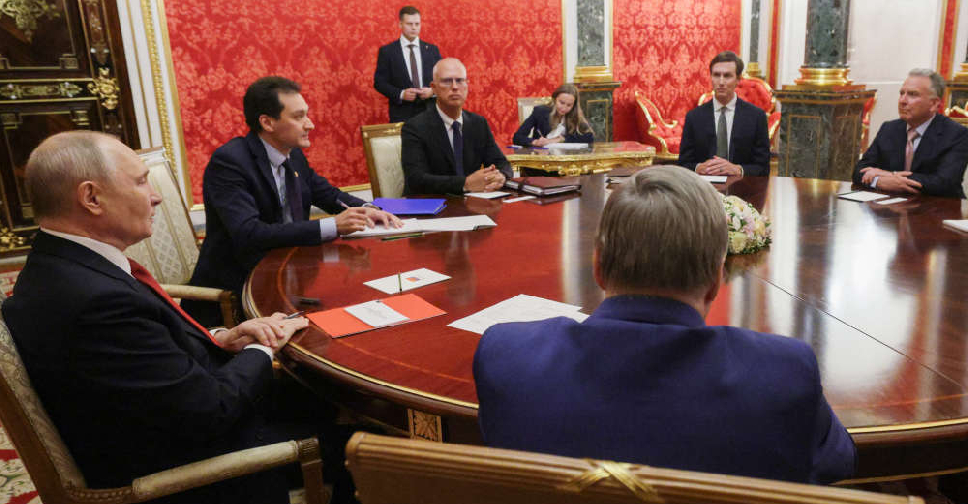 Putin says US-Russia contacts beneficial as talks begin with Witkoff and Kushner
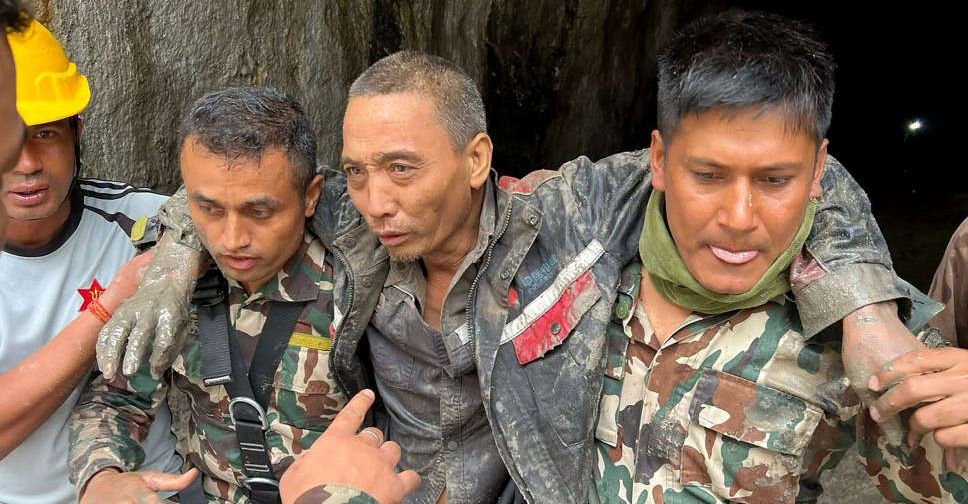 Chinese national rescued from Nepal tunnel 10 days after flash flood
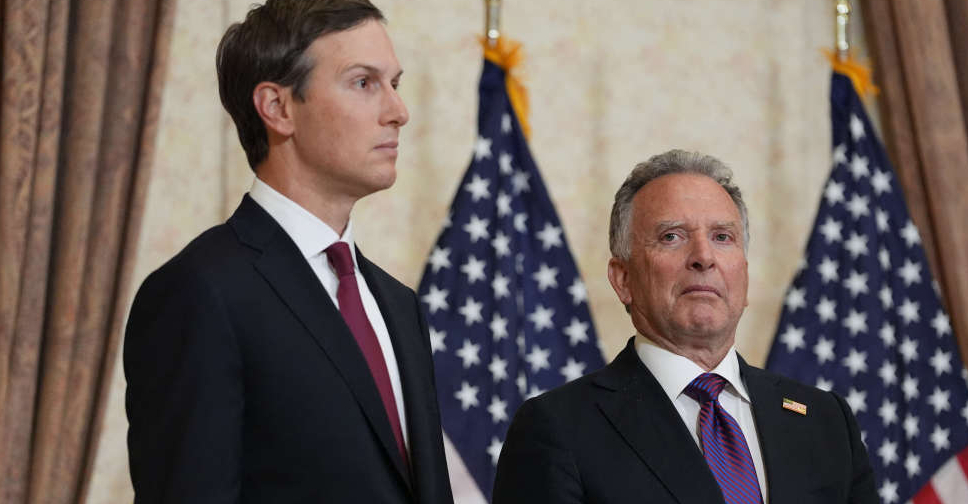 US envoys Witkoff, Kushner arrive in Moscow for talks on peace in Ukraine
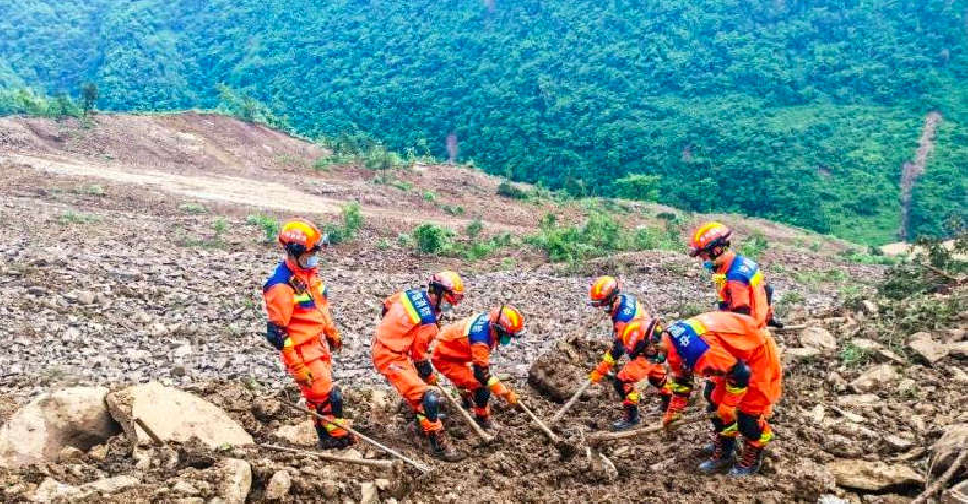 One dead, 11 people missing after mudslide in China's Jiangxi province
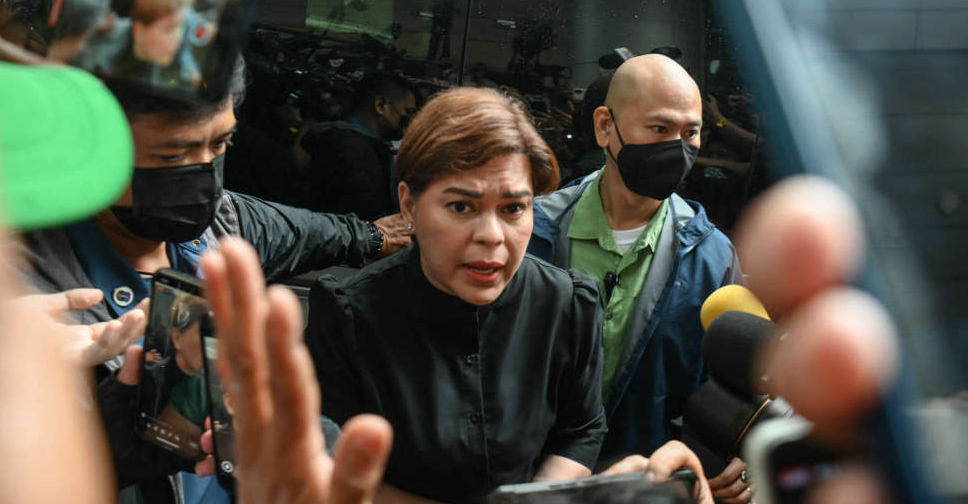 Philippine VP Duterte posts bail after arrest order for alleged grave threats
 Lindsay Clancy trial over killing her children ends in mistrial
 Israel says it strikes southern Lebanon after Hezbollah drone launch
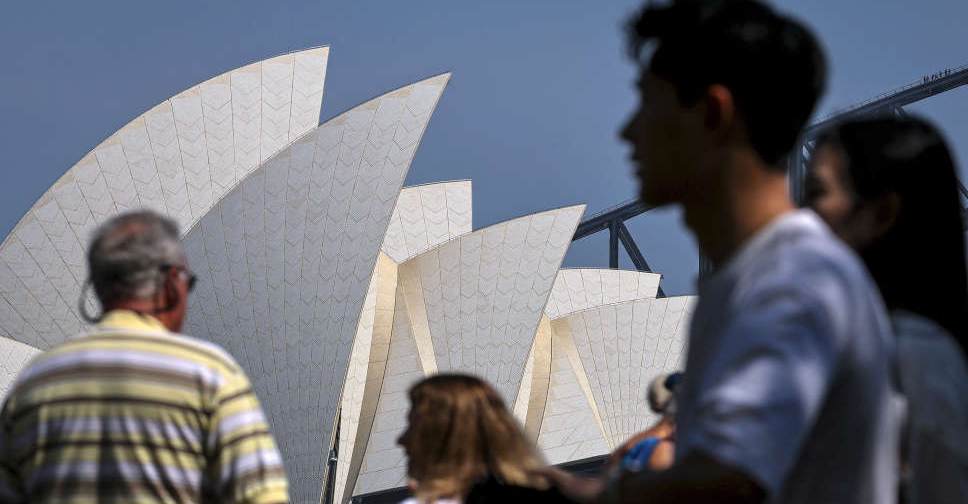 Sydney sweats in spring hot spell, faces 'extreme' bushfire risk