

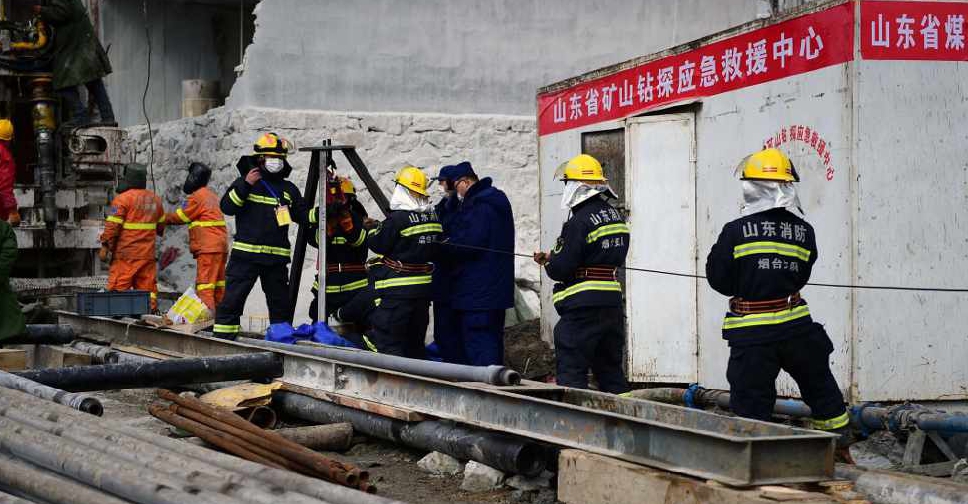
Rescuers pulled 11 gold miners to safety on Sunday, 14 days after they were trapped by an underground explosion, Chinese state broadcaster CCTV reported.
Footage showed the first miner to be rescued, a black blindfold across his eyes, being lifted out of a mine shaft in the morning.
The miner was extremely weak, CCTV said on its Weibo site. Rescue workers wrapped the barely responsive man in a blanket before taking him to hospital by ambulance.
Over the next few hours, 10 miners from a different section of the mine, who had been receiving food and supplies from rescue workers last week, were brought out in batches.
One was injured but several of the others were shown walking, supported by rescue workers and wearing black cloth over their eyes, before leaving the site in ambulances.
Twenty-two workers were trapped about 600 metres underground in the Hushan mine by the January 10 blast in Qixia, a major gold-producing region under the administration of Yantai in coastal Shandong province.
One miner has died.
Officials said on Thursday it could take another two weeks to clear "severe blockages" before they could drill shafts to reach the group of 10 who had been receiving supplies of food from the rescue team.
State media said earlier however that the more than 600 rescuers on site were hoping to reach the men in the mine's fifth section on Sunday.
The men were said to be in good physical condition and had been receiving normal food since Saturday, after several days of living off nutrient solutions, according to Xinhua.


 Some UK departing flights disrupted by NATS technical issue
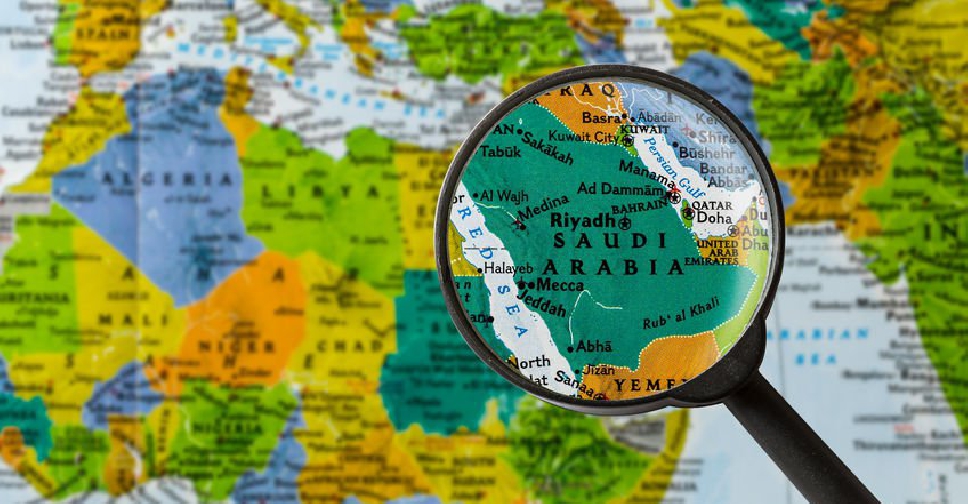 At least 73 injured after Houthi rebels attack Saudi civilian and energy facilities
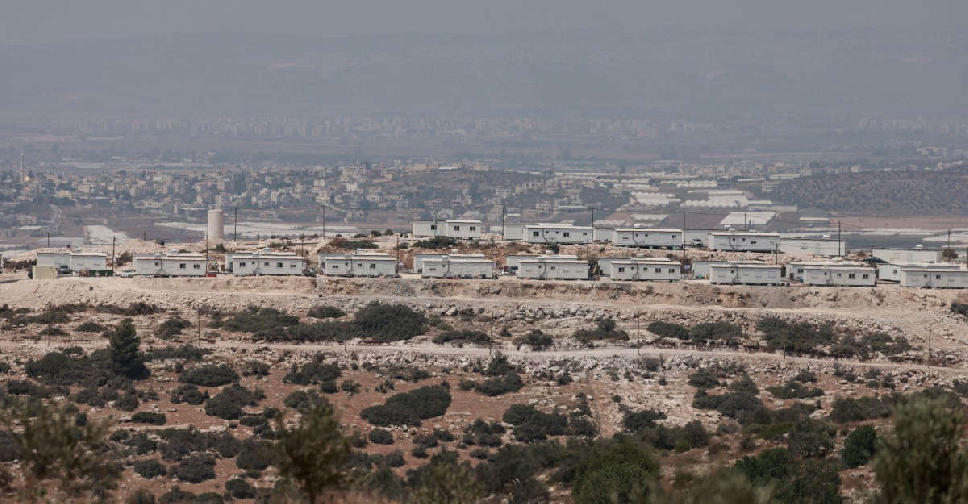 UK, France and Canada sanction Israeli West Bank settlements
 Suspect detained after sabotage attacks on Germany power grid
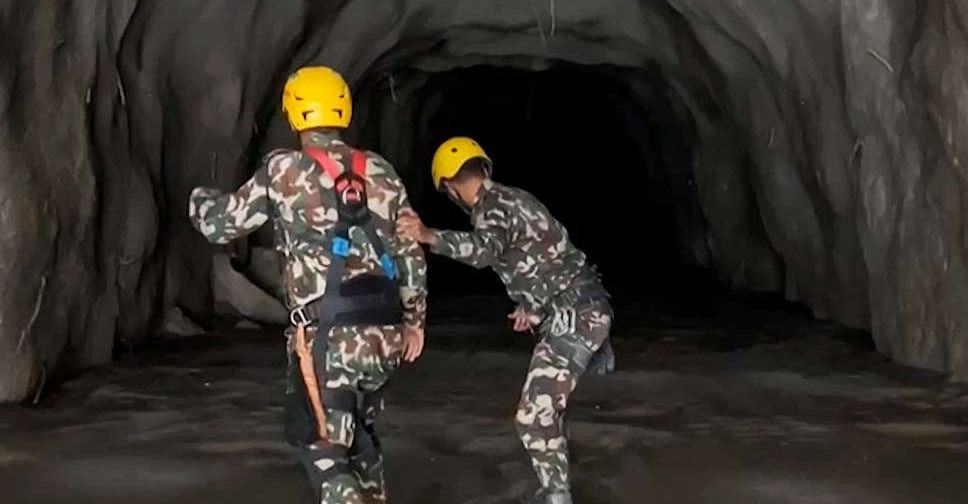 Nepal rescue focused on workers trapped in three tunnels
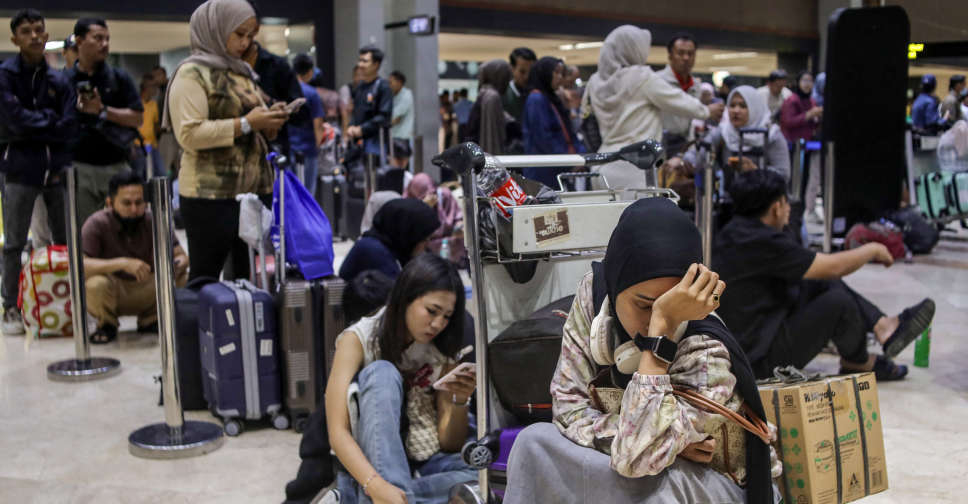 Indonesia reopens Jakarta airport, four others after Anak Krakatau ash clears
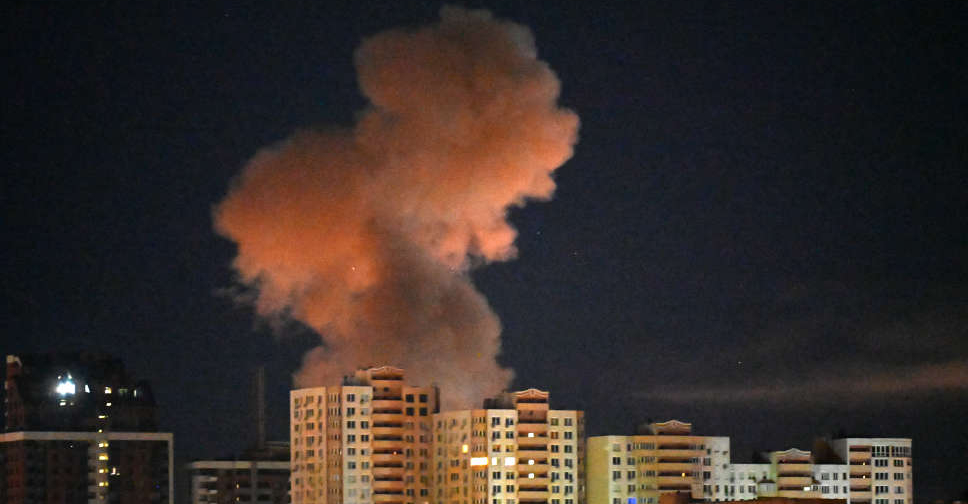 Russia hits Kyiv after brief pause for US envoys' visit, killing two
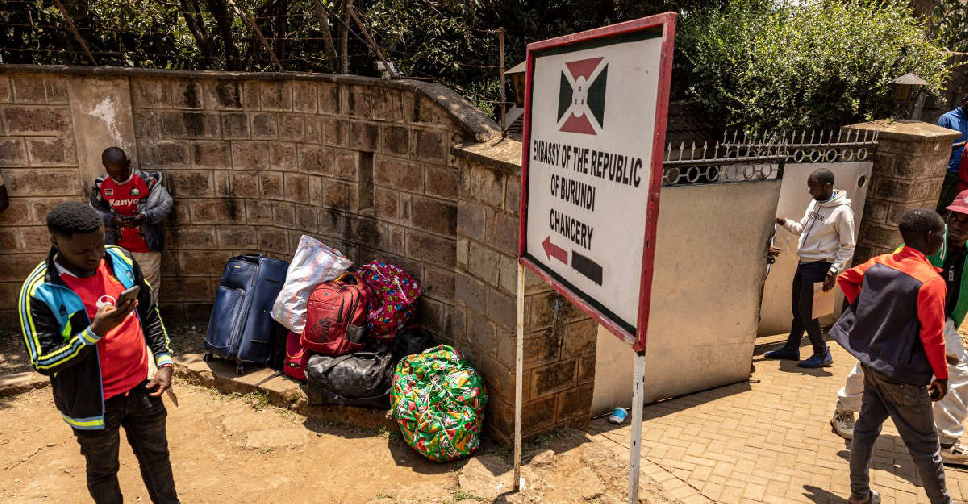 Kenya offers temporary amnesty to undocumented East Africans amid crackdown fears