

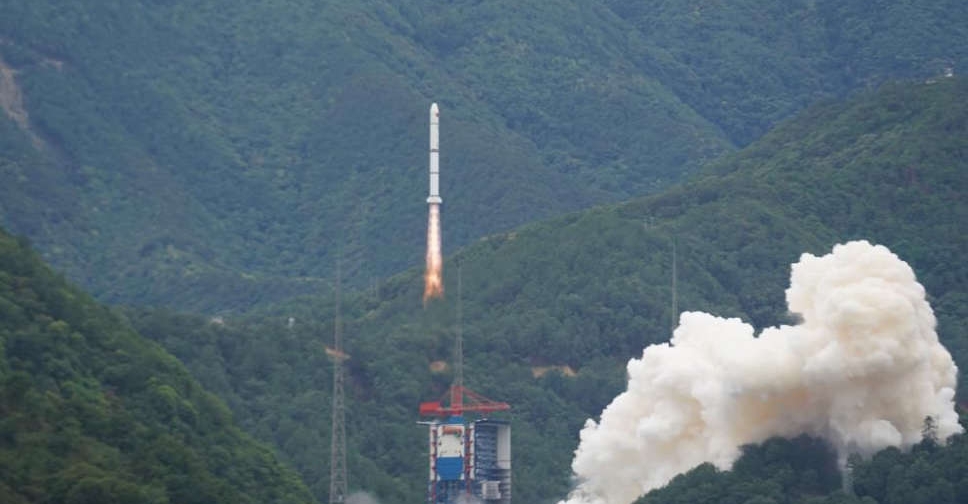
A satellite developed by China and France, the most powerful yet for studying the farthest explosion of stars, was launched into orbit on Saturday, Chinese state broadcaster CCTV reported.
The satellite to study phenomena including gamma-ray bursts was lifted into orbit by a Chinese carrier rocket launched from the Xichang Satellite Launch Center in the southwestern province of Sichuan, CCTV said.
The launch of the Space Variable Objects Monitor will play an important role in astronomical discoveries, the broadcaster said, citing the China National Space Administration.
It is the first astronomy satellite developed by China and France, although they developed the China-France Oceanography Satellite, launched in 2018, China Daily reported in April.
China's advances in space and lunar exploration are rapidly outpacing those of the United States, attracting partners from European and Asian countries as a result.
China's Chang'e-6 lunar probe this month carried to the far side of the moon payloads from the European Space Agency, as well as from Pakistani, French and Italian research institutes.
China is working with countries including Brazil, Egypt and Thailand to develop and launch satellites.

 Indonesia reopens Jakarta airport, four others after Anak Krakatau ash clears
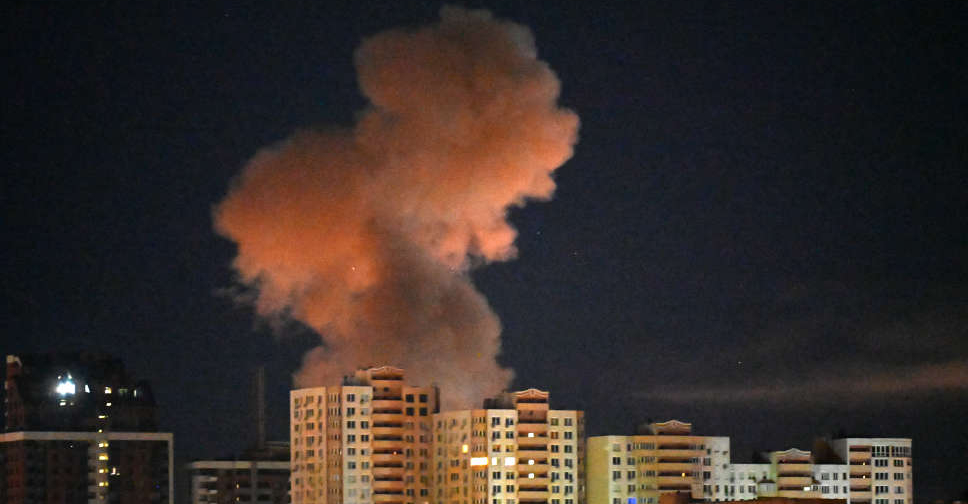 Russian ballistic missiles hit Kyiv as US envoys leave
 Kenya offers temporary amnesty to undocumented East Africans amid crackdown fears
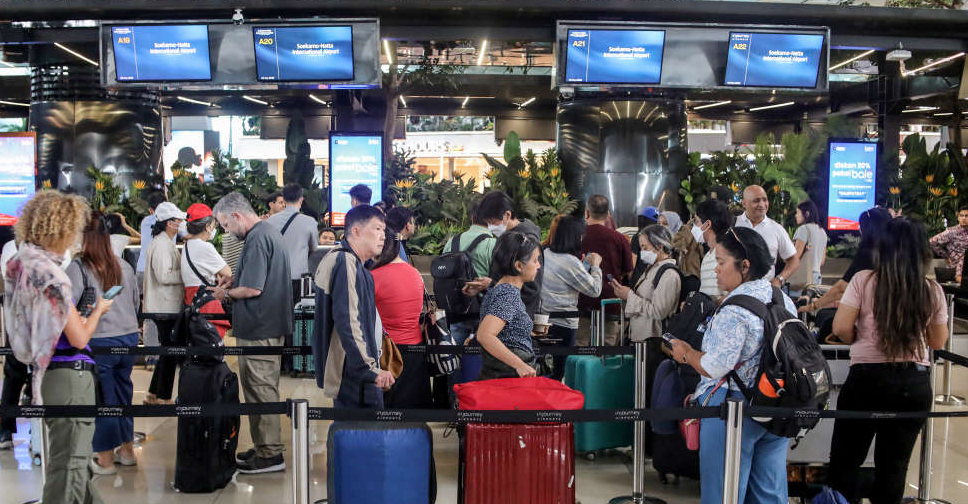 7 Indonesian airports remain shut due to volcanic ash from Anak Krakatau
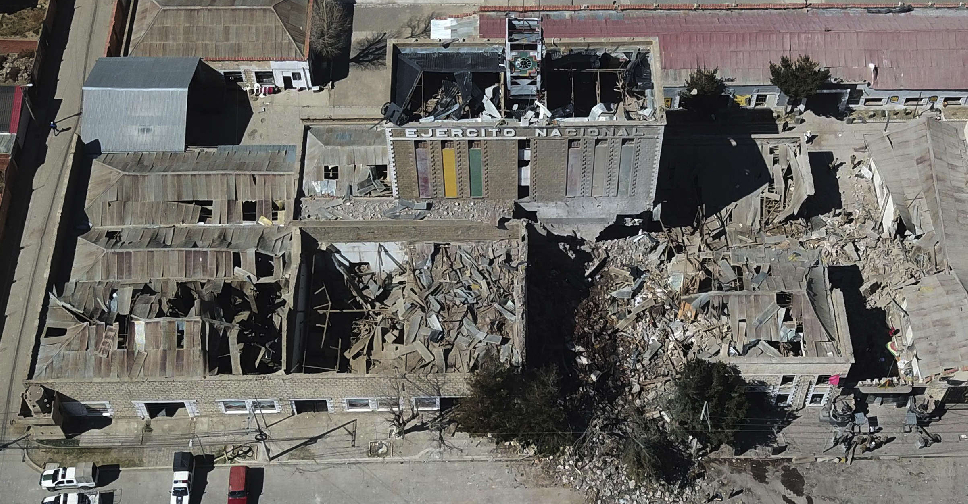 Bolivia confirms 9 deaths after military base explosion
 Israeli strikes on southern Lebanese town kill 11, state news agency says
 Nepal marks national mourning day after deadly flood
 Far-right AfD wins historic victory in German state election