


Beijing on Friday upgraded its warning for hot weather to "red" - the highest in a colour-coded alert system - saying most parts of the Chinese capital could roast in temperatures of up to 40 degrees Celsius.
On Thursday, the maximum temperature in the city of nearly 22 million people breached 41C and shattered the record for the hottest day in June.
A weather station in its southern suburbs, considered to be Beijing's main gauge, recorded 41.1C in the afternoon. The previous June high was logged on June 10, 1961, when the mercury hit 40.6C.
The daily maximum logged on Thursday was the city's second-highest in history, just below the 41.9C recorded by Beijing on July 24, 1999.
China has a four-tier weather warning system, with red the most severe, followed by orange, yellow and blue. A red alert indicates the temperature is set to rise above 40C within 24 hours.
The China Meteorological Administration said on Thursday it expected high temperatures to persist across much of the country's north for the next eight to ten days.
High temperature monitoring and warnings would continue on a rolling basis in places including Beijing, Tianjin, Hebei, Shandong, Henan and Inner Mongolia, it added.
In Tianjin, a northern Chinese port city with a population of over 13 million, Thursday's temperature reached 41.2C, smashing local records.
Local authorities on Friday warned the extended period of high temperatures could have health impacts, including an increased risk of stroke, and advised people to drink at least 1.5 litres of water daily and limit their time outdoors.


 Kenya offers temporary amnesty to undocumented East Africans amid crackdown fears
 7 Indonesian airports remain shut due to volcanic ash from Anak Krakatau
 Bolivia confirms 7 deaths after military base explosion
 Israeli strikes on southern Lebanese town kill 11, state news agency says
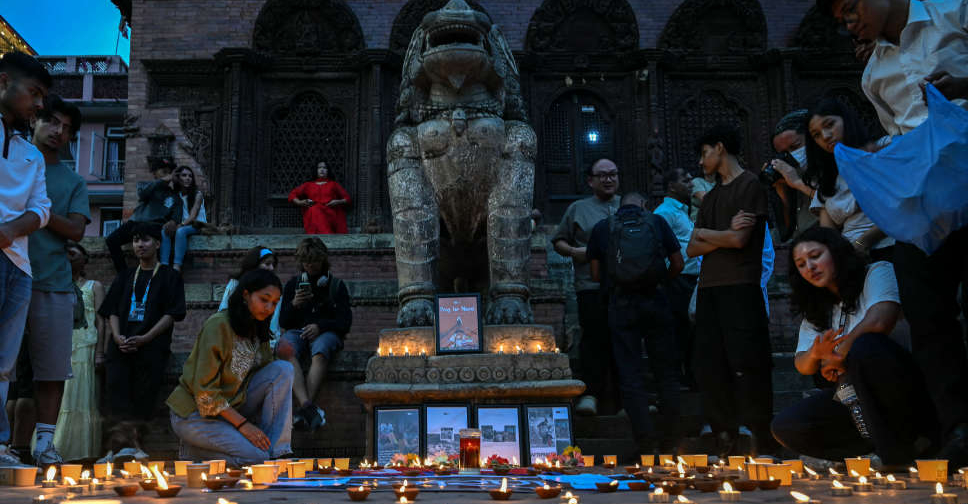 Nepal marks national mourning day after deadly flood
 Far-right AfD wins historic victory in German state election
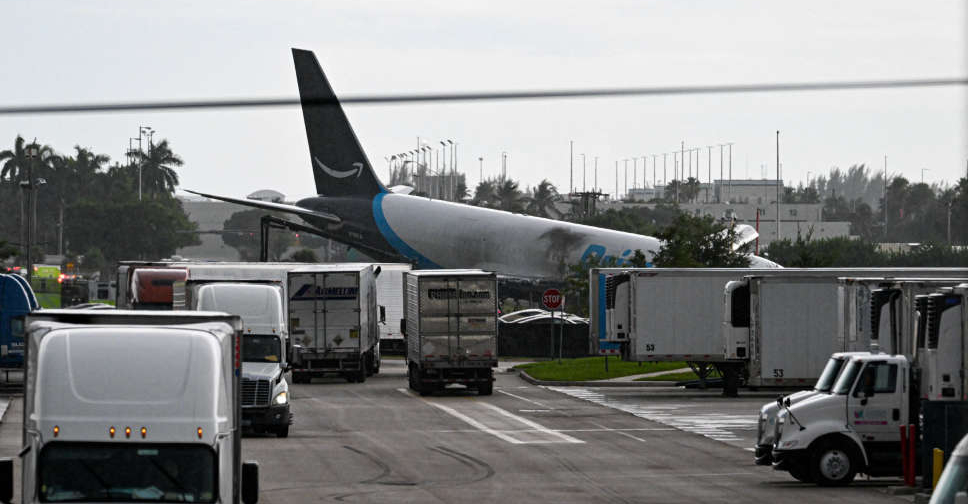 At least 5 killed in Amazon Prime Air cargo plane crash in Miami
 Israeli strike kills 2 in Gaza, medics say