
A constitutional challenge against Australia’s social media ban on children younger than 16 has been filed in the nation’s highest court, two weeks before the world-first law is set to take effect.
A campaign group called the Digital Freedom Project said on Wednesday it launched proceedings in the High Court of Australia in a bid to block the law, with two 15-year-olds, Noah Jones and Macy Neyland, as plaintiffs in the case.
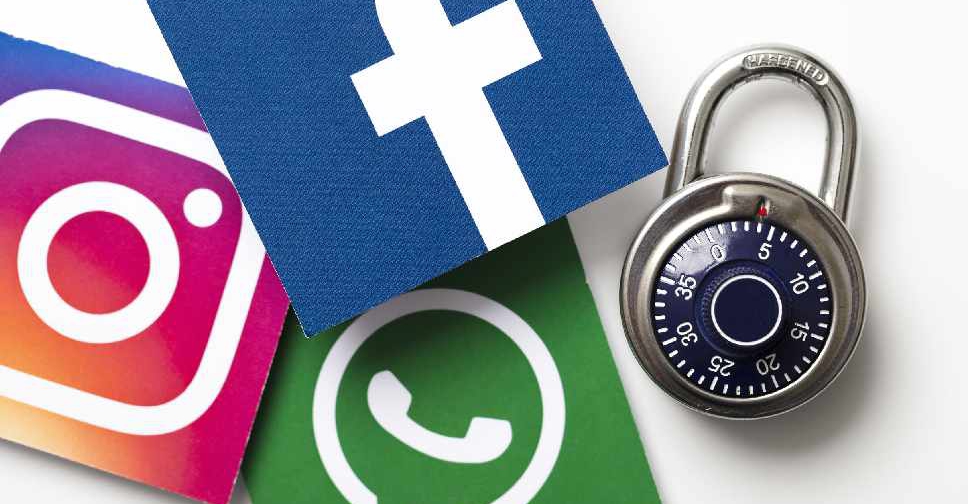
More than one million accounts held by teenagers under 16 are set to be deactivated in Australia when the ban on platforms including YouTube, TikTok, Snapchat and Meta's Facebook and Instagram starts on December 10.
In a statement on Wednesday, the Digital Freedom Project said the ban "robs" young Australians of their freedom of political communication, an implied right in the constitution. Australia does not have an express right to free speech.
"The legislation is grossly excessive," the statement said.
Neyland said the law would ban young people from expressing their views online.
"Young people like me are the voters of tomorrow ... we shouldn't be silenced. It's like Orwell's book 1984, and that scares me," she said.
The Digital Freedom Project’s president is John Ruddick, a member of the Libertarian Party in the New South Wales state Parliament.
After news of the legal challenge broke, Communications Minister Anika Wells told Parliament the centre-left government, led by Prime Minister Anthony Albanese, would not be intimidated by threats and legal challenges.
"Despite the fact that we are receiving threats and legal challenges by people with ulterior motives, the Albanese Labour government remains steadfastly on the side of parents, and not of platforms," Wells said.
Australian media has reported that YouTube also threatened to launch a High Court challenge on the grounds the ban burdened political communication.
Governments and tech firms around the world are closely watching Australia's effort to implement the ban, one of the most comprehensive efforts to police minors' social media access.
The ban was passed into law in November 2024 and is supported by the majority of Australians, according to opinion polling.
The government said research showed the over-use of social media was harming young teens, including causing misinformation, enabling bullying and harmful depictions of body image.
Companies that fail to comply with the ban could face penalties of up to A$49.5 million ($32.22 million).

 Indonesia reopens Jakarta airport, four others after Anak Krakatau ash clears
 Russian ballistic missiles hit Kyiv as US envoys leave
 Kenya offers temporary amnesty to undocumented East Africans amid crackdown fears
 7 Indonesian airports remain shut due to volcanic ash from Anak Krakatau
 Bolivia confirms 9 deaths after military base explosion
 Israeli strikes on southern Lebanese town kill 11, state news agency says
 Nepal marks national mourning day after deadly flood
 Far-right AfD wins historic victory in German state election