

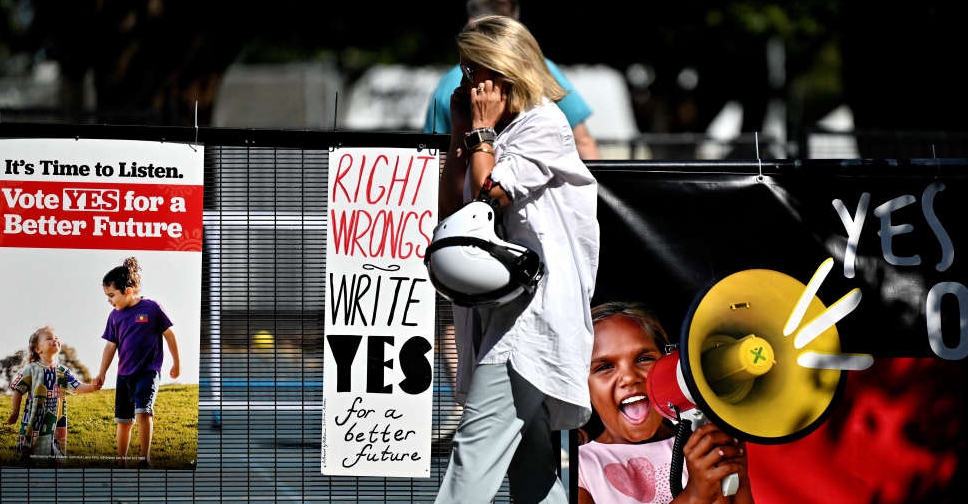
Australia on Saturday decisively rejected a proposal to recognise Indigenous people in the constitution, in a major setback to the country's efforts for reconciliation with its First Peoples.
Nationwide, with 45 per cent of the vote counted, the "No" vote led "Yes" by 57.35 per cent to 42.65 per cent.
Australian broadcaster ABC and other TV networks have projected that at least four states - New South Wales, Tasmania, Queensland and South Australia - would vote against altering the 122-year-old constitution.
A successful referendum requires at least four of the six states to vote in favour, along with a national majority. Because of Australia's time zones, voting in Western Australia was still under way as it became clear the referendum was lost.
Australians had to write "Yes" or "No" on a ballot paper that asked whether they agree to the proposal, which would recognise Aboriginal and Torres Strait Island people through the creation of an Indigenous advisory body, the 'Voice to Parliament'.
"I'm devastated," Indigenous leader and prominent "Yes" campaigner Thomas Mayo said on ABC News.
"We need a Voice. We need that structural change."
Australia's Indigenous citizens, who make up 3.8 per cent of the country's 26 million population, have inhabited the land for about 60,000 years but are not mentioned in the constitution and are, by most socio-economic measures, the most disadvantaged people in the country.
Academics and human rights advocates fear a win for the "No" camp could set back reconciliation efforts by years.


 US targets three Iranian oil vessels after attack on Navy ships
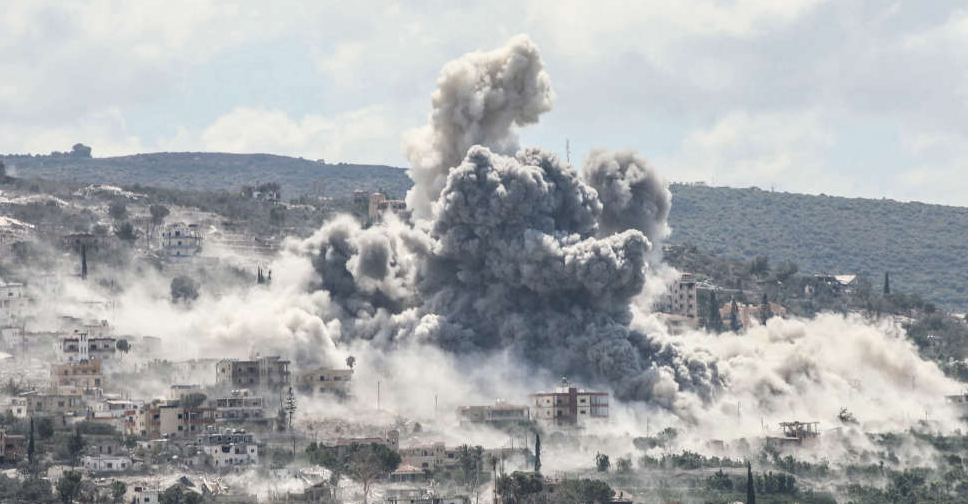 Israel launches strikes on southern Lebanon
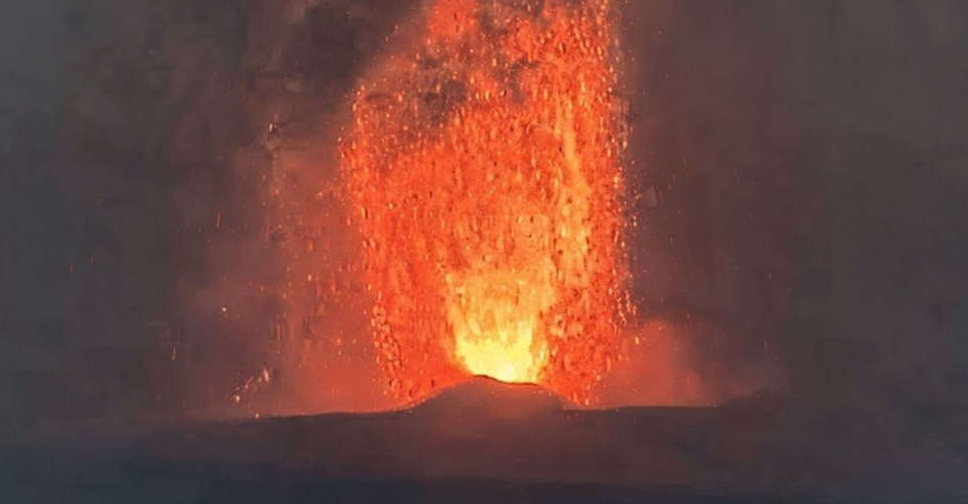 Indonesia's Anak Krakatau eruption halts flights, schools, fishing
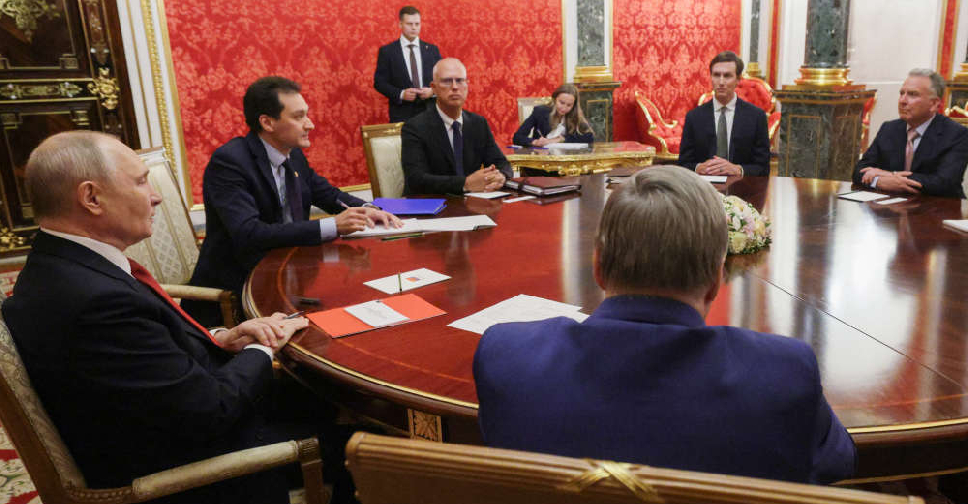 Putin says US-Russia contacts beneficial as talks begin with Witkoff and Kushner
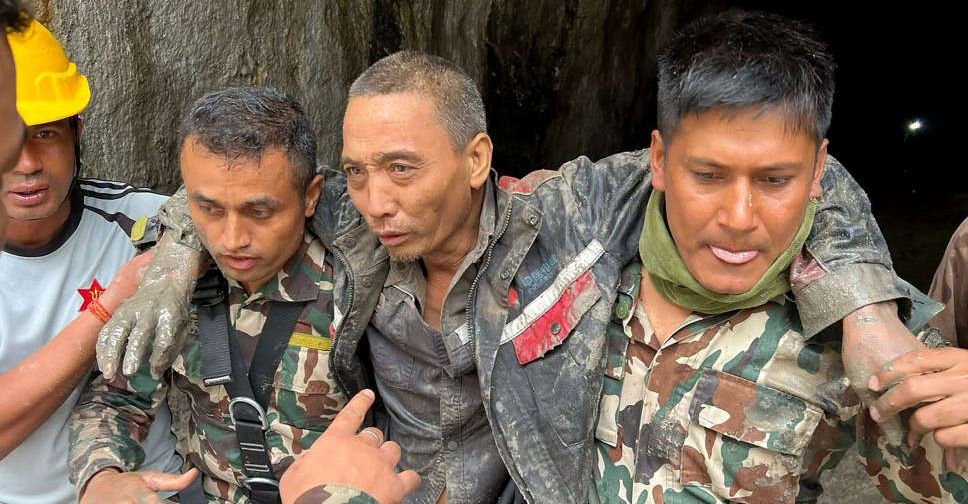 Chinese national rescued from Nepal tunnel 10 days after flash flood
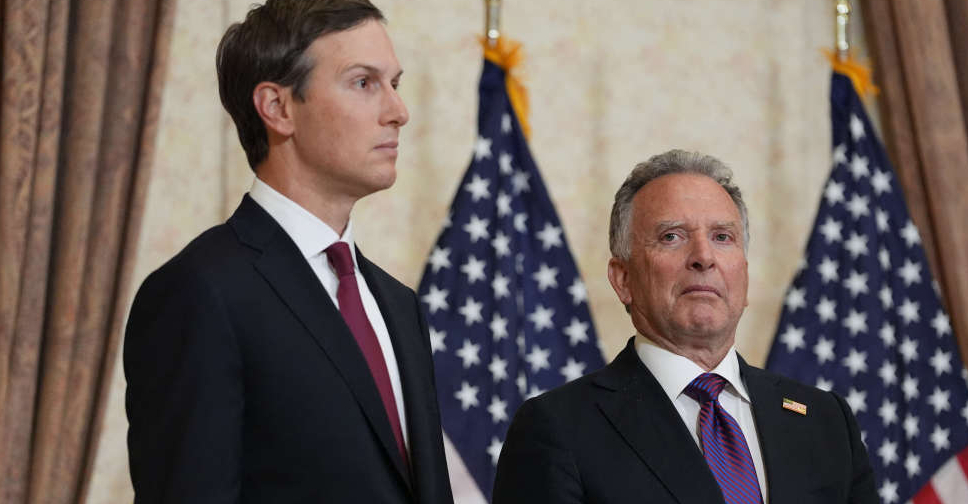 US envoys Witkoff, Kushner arrive in Moscow for talks on peace in Ukraine
 One dead, 11 people missing after mudslide in China's Jiangxi province
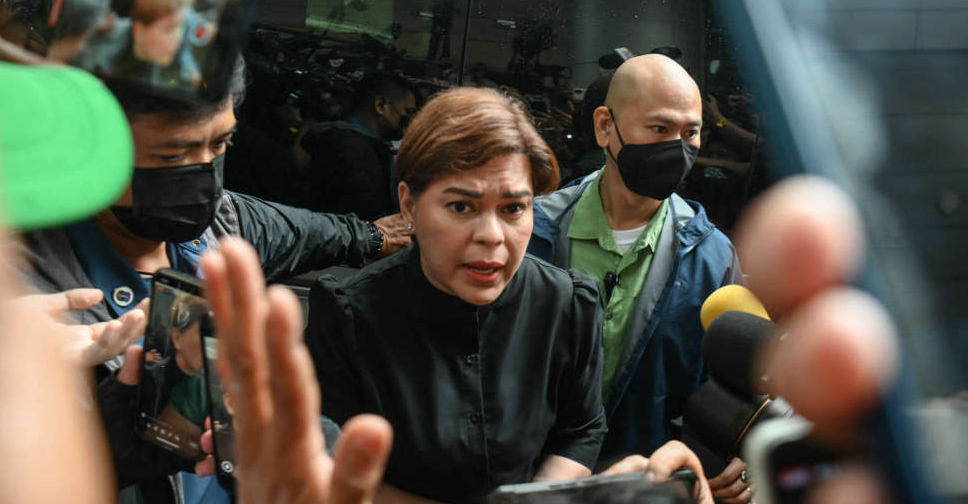 Philippine VP Duterte posts bail after arrest order for alleged grave threats